


About six years ago, Chelsea Barbour and Alex Rickman were both working as farmhands in central Kentucky. The job originally started as a way to work outside every day and be of service to the community. Fairly quickly, though, they fell in love with farming.
“We had recreational garden plots we tended to after full workdays in the field when we worked as farmhands,” Barbour told The Preamble. “We were essentially becoming obsessed with growing vegetables and started fantasizing about what our own farm enterprise might look like.”
Those fantasies became real plans. During their off-hours, Barbour and Rickman began researching what it would look like to open a farm. They spent two years building a business plan and saving up money.
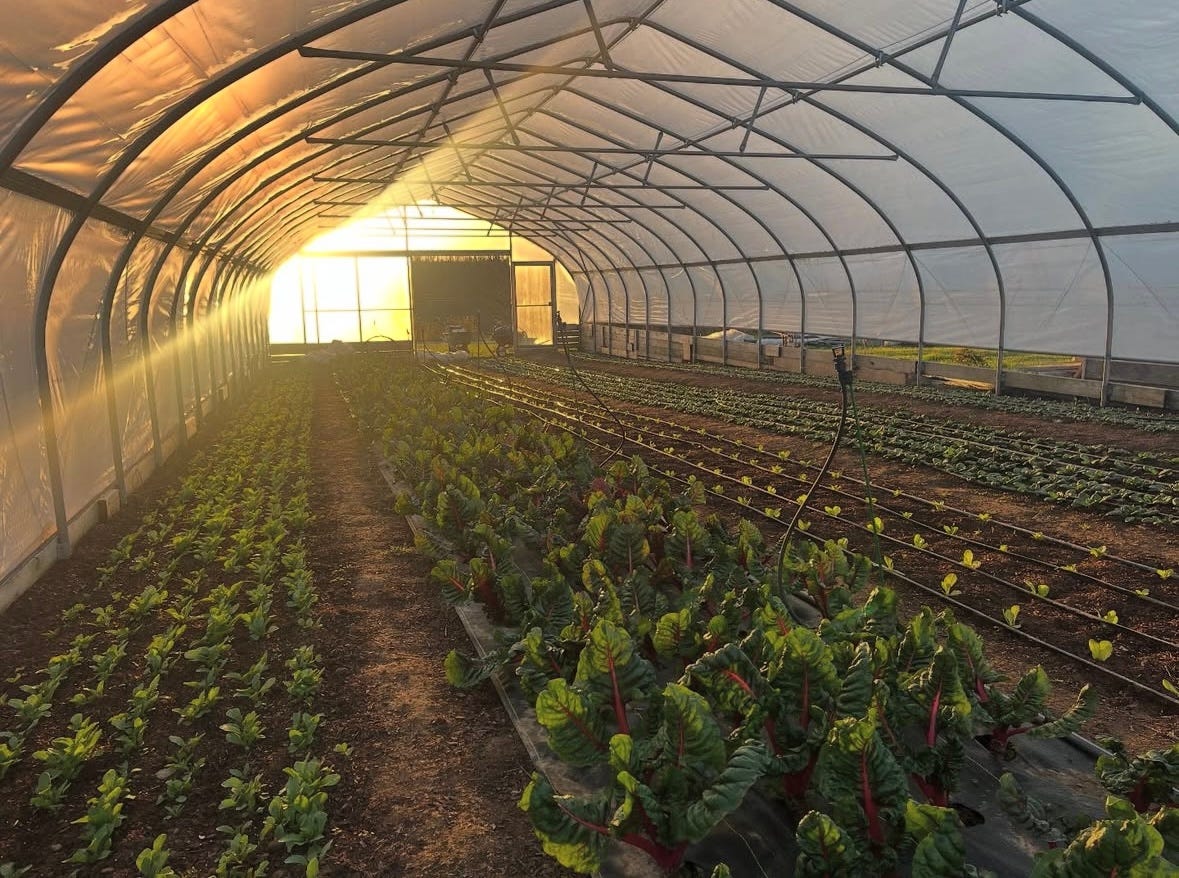
With $10,000 of personal savings, they opened High Five Farm. Sitting on a little over two acres of leased land, the farm grows vegetables and herbs, which are sold at three different farmers markets and two food shares.
For the first two years or so, they both kept part-time jobs with other farmers in order to make some money and learn more skills while starting High Five. Barbour worked as a bookkeeper and Rickman was building perimeter fencing, operating a tractor, and tending sheep for a local shepherd. But before long they focused exclusively on their own operation.
“We decided to go all-in when it became apparent that in order to excel in the business we needed to fully commit our mental, physical energy into it,” Barbour said.
Fully committing means they work seven days a week, between eight and 12 hours a day. The farmers will try to take a day off but there are still usually about two hours of chores to do. “Farming is not for the weak, and we do not necessarily recommend it as a career for just anybody” said Barbour. “Too many farm businesses fail after just a few seasons because people often romanticize the work.”
They pay up front for the costs of the season with the prior year’s income. This year, High Five offered a sliding-scale “Farmers Market Card” that functions like a retail store gift card. Customers could load a balance in March to the card and shop at any location where High Five had a stand for the whole year. Balances expired at the end of the season. Instead of having a ready-made bag, customers could select their own produce, and the vegetables are “typically harvested within 24 hours of markets.”
High Five also participates in community and local events focused on providing fresh food and produce to people of all income levels, families in need, and schoolchildren. The programs are funded by a variety of organizations, including the USDA, the Kentucky Department of Agriculture, Kentucky State University, and food-focused nonprofits.
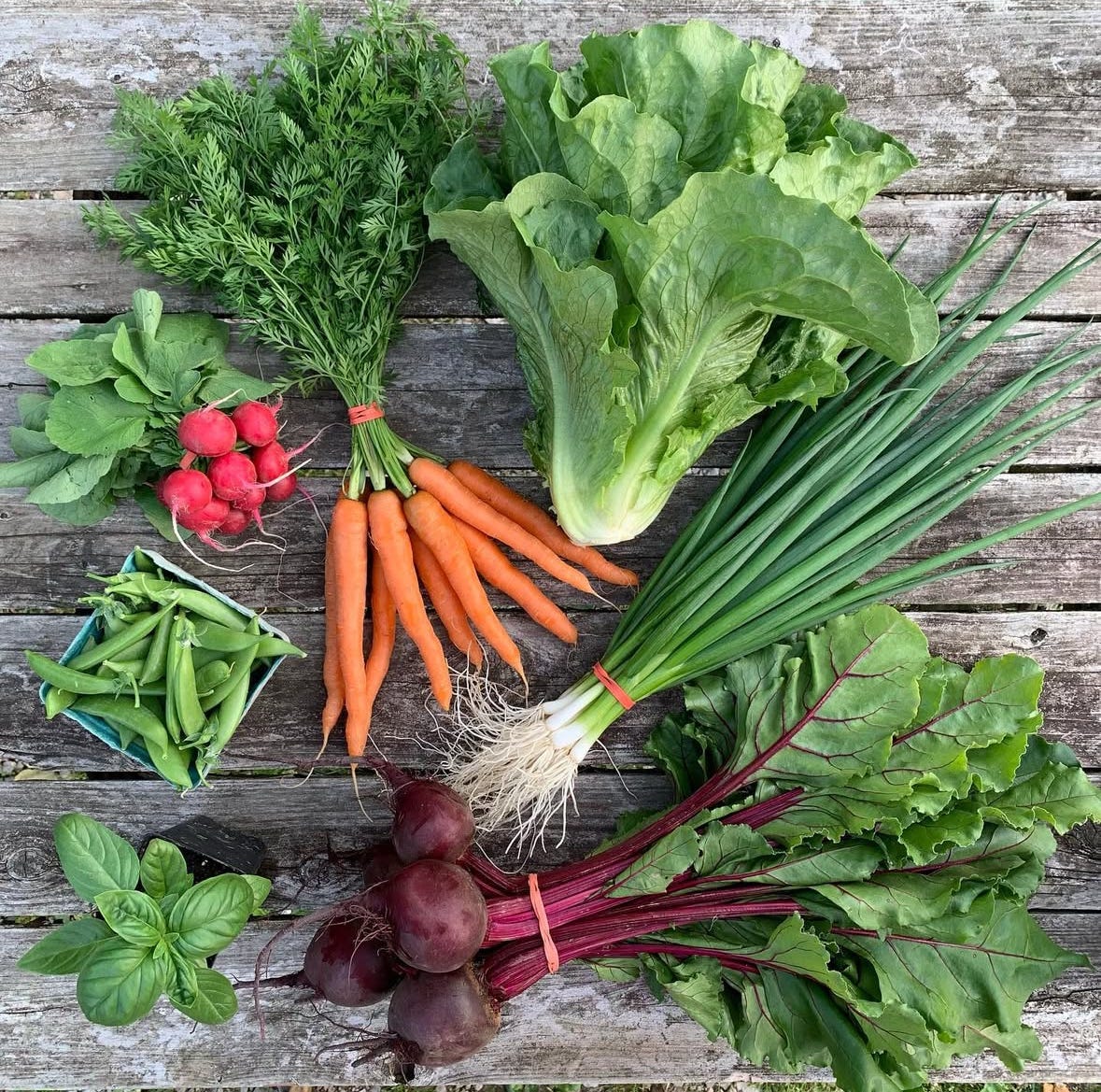
These distribution methods are one form of cash flow for the farm. But the money they make from selling vegetables goes only so far, and farming is not a low-cost endeavor. In addition to leasing land, they pay premiums for liability insurance and auto insurance, annual LLC incorporation fees, and costs for labor, equipment, gasoline, seeds, and more. The High Five farmers needed to find other ways to bring in money.
So they turned to grants, which became a major source of cash for the farm. The first one they applied for and received was a $5,000 grant for small-scale farms from Kentucky State University. High Five Farm used it on equipment, like a precision seeder (they explain the importance of this tool in the video below). The next year they applied for another $5,000 grant, for tractor attachments.
During the pandemic, High Five Farm received $13,000 for expenses and lost income related to Covid, and this year they received a $26,294.44 Business Builder grant from the USDA Regional Food Business Centers program. High Five Farm planned to use the grant to “build a robust, resilient, viable farm business that prioritizes financial stability, farmer health, and agricultural community connectivity and coordination” while “serv[ing] the community with high quality, locally grown foods year-round.”
They were meant to have two years to spend the money, but in July the Department of Agriculture announced that it was shutting down the Regional Food Business Centers program. The grant was to be paid as reimbursements, not given as a lump sum in advance. High Five is still allowed to receive it, but now it has to spend the money by March 2026 instead of spreading it out over two years. The termination of the program also eliminated a future grant-funding opportunity.
High Five Farm has been affected by other Trump administration decisions as well. The government shutdown meant that the farm “couldn’t get reimbursed for grant purchases during that time, so cash flow has been a headache more than normal,” Barbour said. And the USDA canceled another program the farm was utilizing, the Climate Smart Project, which offered financial incentives to use climate-friendly and conservation-oriented practices on farms.
They were “receiving $3,000 per year to implement good cover-cropping and mulching systems” into their growing practices, Barbour said. The project also paid them $500 a year to assess their farm’s sustainability by measuring “social, economic, and environmental indicators.”
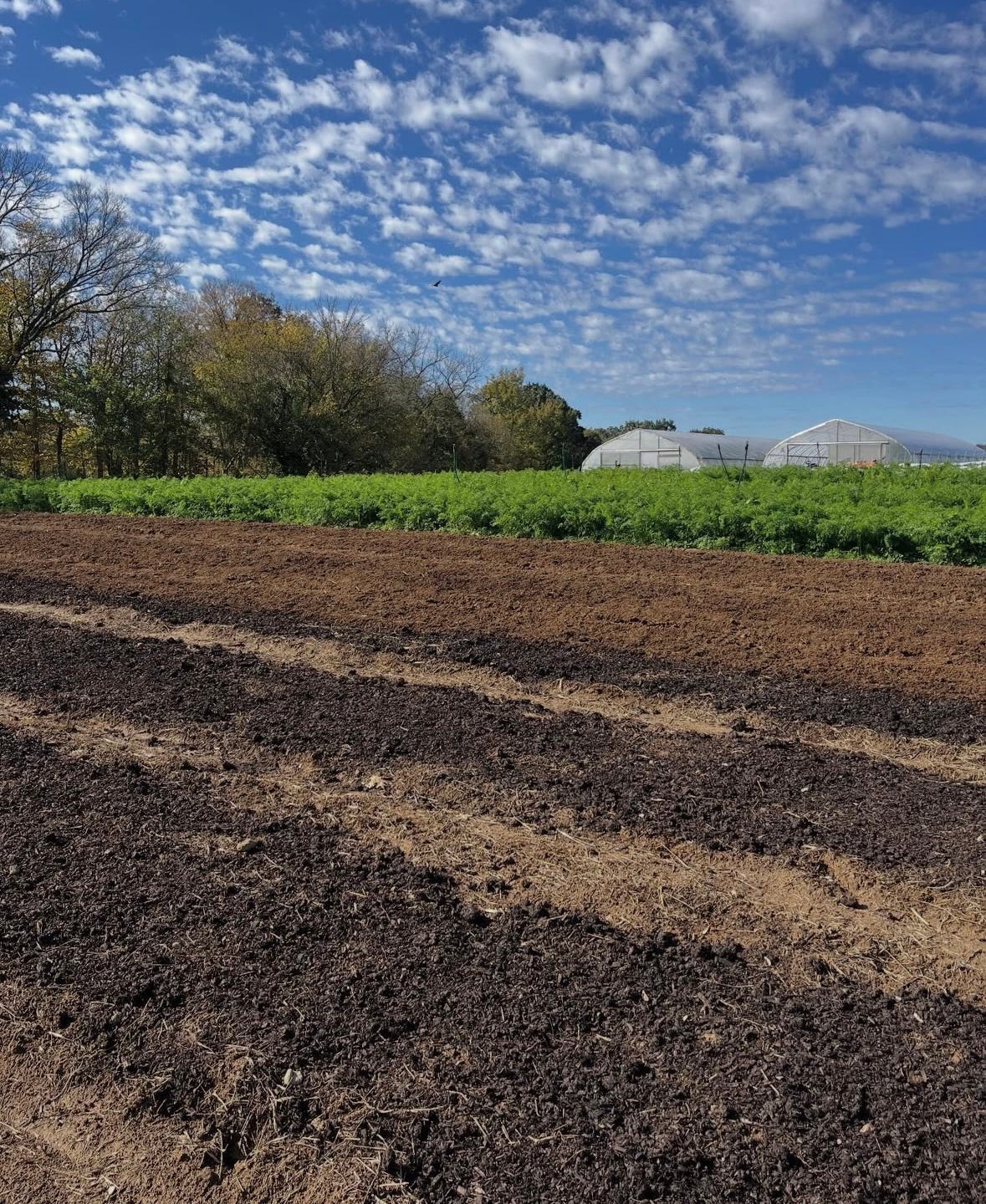
The farm run by Barbour and Rickman is one of about 1.88 million farms in the United States. That number has dropped from a high of about 6.8 million in 1935, in part because of the rising cost of farming. In the video below, the farmers walk us through some of the ways they keep costs low, show the equipment they bought with grants, and share more about their farm.
“High Five is guided by our beliefs in simplicity, community service and ecological stewardship. We believe that eating and enjoying fresh, locally grown foods is a basic human right that every person deserves to afford and access,” Barbour said. “The profit margins can be slim in vegetable farming. However, with consistent record-keeping, ever evolving efficient-growing systems, and a steadfast commitment to our marketing strategy, we’re slowly earning more profit each season that goes by.”
You can find High Five Farm on Instagram or at:
The Franklin County Farmers Market, Saturdays, April–December
The Lexington Farmers Market, Sundays, April–October, and biweekly, January–March
The Woodhill International Market, biweekly, April–December
The South Frankfort Food Share, biweekly, April–November


