


During dark times, the people that we look to as great leaders, the Abraham Lincolns of the world, did not feel optimistic.
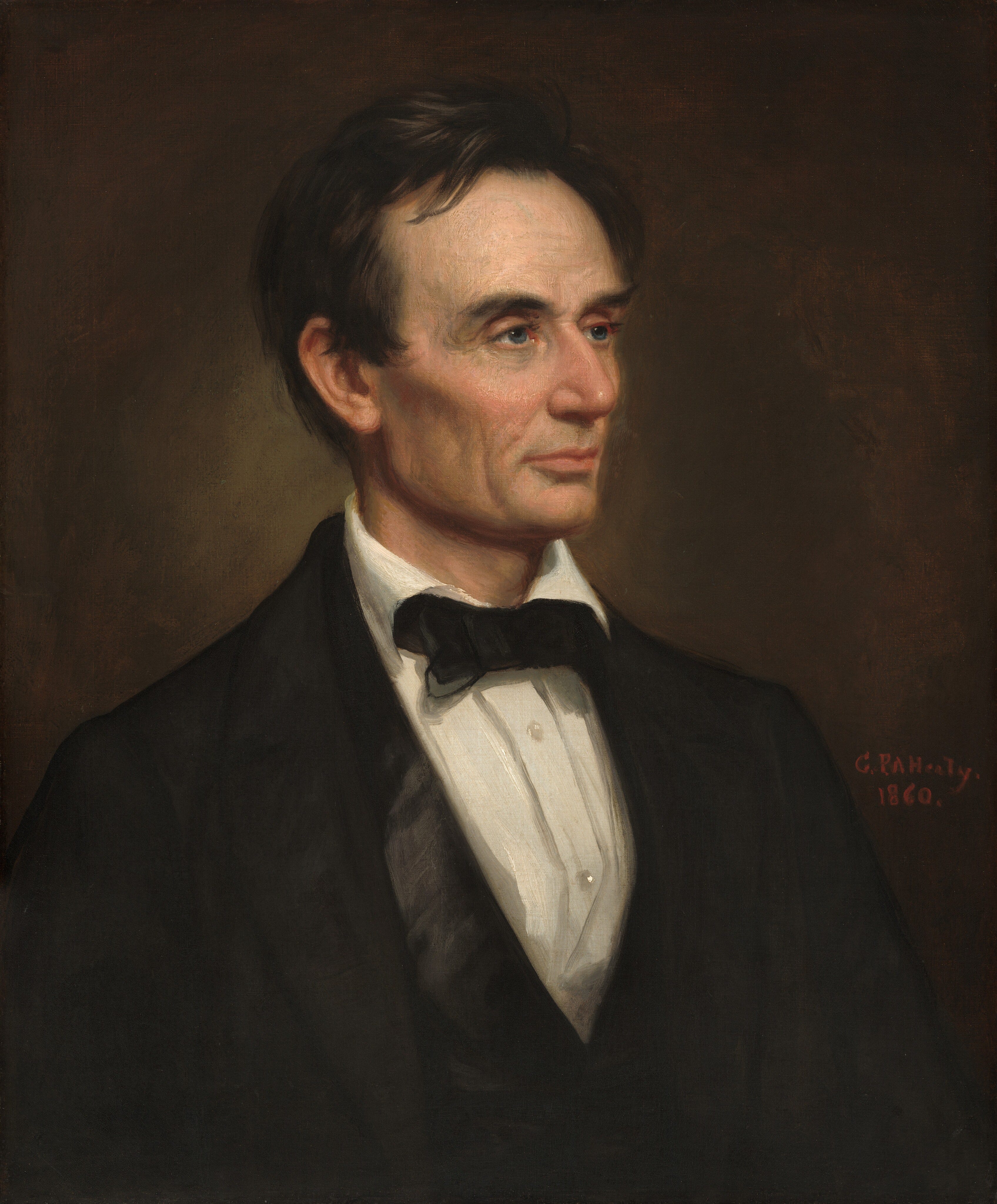
Abraham Lincoln was plagued with melancholy throughout much of his adult life. By today’s diagnostic criteria, it’s quite likely he would have major depression.
Lincoln came from a family with significant mental health issues. Both of his parents were described by nearly everyone who knew them as “sad.” So prevalent were the insanity, nervous disorders, and mental troubles that plagued their family tree that some of Lincoln’s relatives referred to them as “the Lincoln horrors.”
We now know that depression often has both a biological and an environmental component, and Lincoln certainly seems to have had both. Lincoln’s mother died when he was nine. His father then all but abandoned his children, leaving them with a relative for months while he searched for another wife. The Lincoln children were neglected “pitifully” while in the care of their cousin. When Abe was 19, his sister, the one person in his life he felt he could count on, gave birth to a stillborn baby and died soon after.

A neighbor later recalled that when Abe heard the news about his sister, “he sat down in the door of the smoke house and buried his face in his hands. The tears slowly trickled from between his bony fingers and his gaunt frame shook with sobs.”
Abe’s father was unkind–in fact, that’s putting it too mildly. He didn’t show Abe any affection. Most historians have looked for love between Abraham Lincoln and his father Tom, and found no evidence of any. Lincoln was beaten for being too book smart, and this bookishness was regarded as laziness.
Lincoln’s depression didn’t rear its head until he was 26. He was teaching himself the law, and friends began to notice he wasn’t sleeping or eating. His skinny frame became emaciated. Eventually, members of his community began to worry that he was “deranged” and suicidal. He was frequently seen wandering alone in the woods with a gun.
Finally, an older couple in the village where Lincoln lived were like, “Listen here, no more of that. You come stay with us and get better.” Lincoln improved after a week or two, and left their home, but remained melancholy for months afterward.
There were times when Lincoln wrote to his friends asking them to come take the knives out of his house for fear he might harm himself.
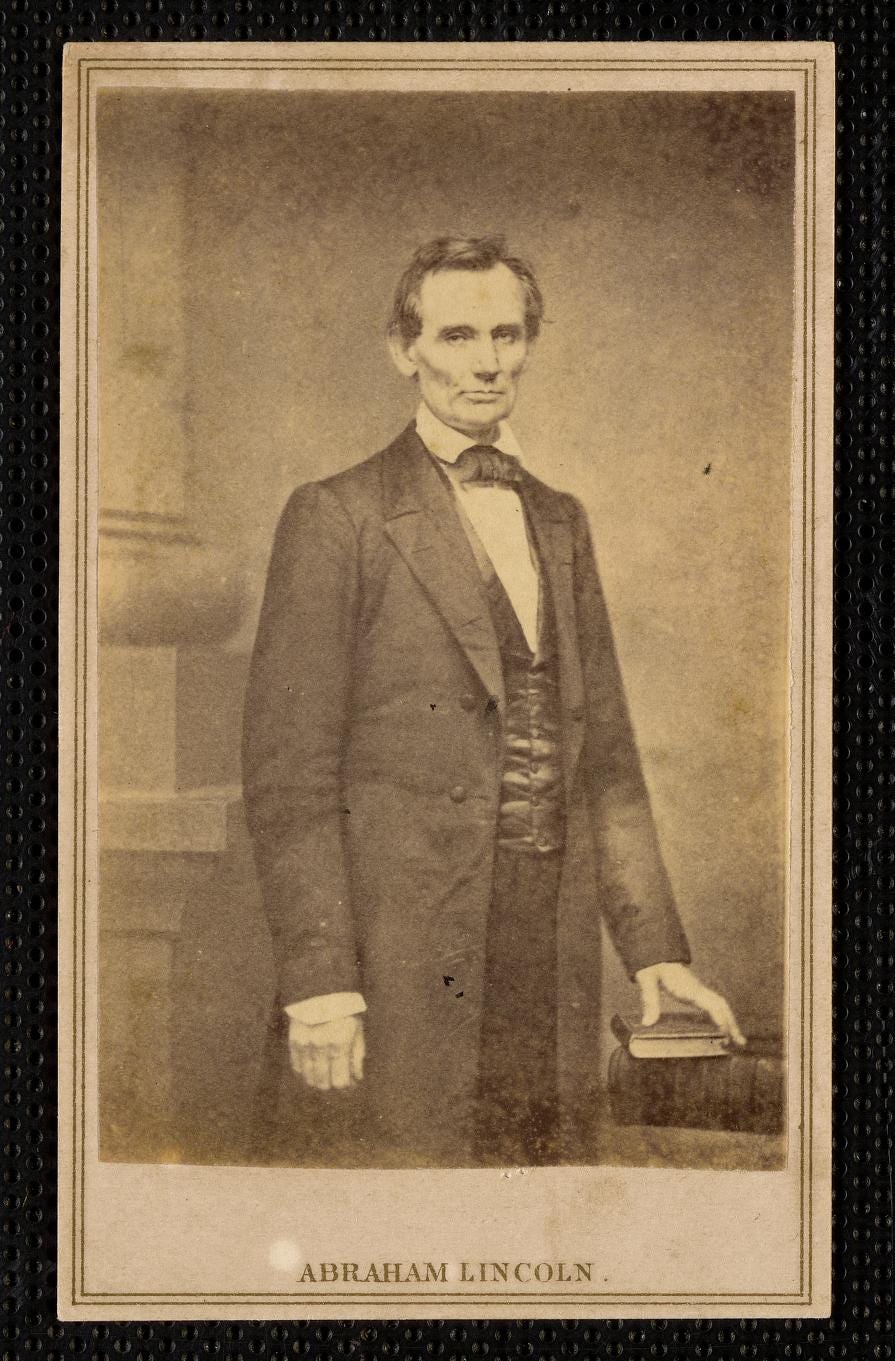
Later in his life, after he won the presidency, his 11-year-old son Willie died in the White House, something that absolutely gutted Lincoln. Only one of Abe and Mary’s sons would outlive his parents.
All this, and more. Books have been filled about the trials Lincoln endured – mental and otherwise.
And yet.