

Why Is America Betting on Coal Again?
Politics is bringing back a fuel that markets had moved on from

Earlier this month, the Department of Energy posted something unusual to its social media accounts. Using a line from the television show Love Island, the post declared, “A hot new bombshell has entered the villa,” alongside a meme with a lump of coal. Elsewhere on its feed: a compilation video of President Trump praising “clean, beautiful coal,” set to music like a campaign hype reel.
For an agency that once spent considerable energy planning for a post-carbon future, it was a striking pivot. And it wasn’t just vibes. On June 4, Trump stood in the Oval Office and committed $700 million in federal investment to keep aging coal plants running, fund two new ones (the first to be built in the United States since 2013), restart a shuttered plant in Maryland, and back a long-delayed coal export terminal in Oakland, CA. He invoked the Defense Production Act, a Cold War–era national security law, to do it.

Coal had been in decline for two decades — not because of regulation alone, but because the market moved on. So what changed?
The short answer is electricity. The longer answer is more complicated.
The administration says it’s solving an electricity shortage — but it’s doing so by propping up the most expensive, most polluting fuel in the American energy mix, one the market has been abandoning for two decades. That’s not necessarily a contradiction; the fastest tool isn’t always the best one. But it’s worth considering what’s actually being traded away to get there
An old fuel for a new problem
For years, the central question in American energy debates was how quickly the country could move away from fossil fuels. The Trump administration has replaced that question with a different one: How quickly can America generate enough electricity to stay competitive with China in artificial intelligence?
The rapid expansion of AI has dramatically altered the math. Data centers consume enormous amounts of power — some as much as a small city. Industry forecasts suggest electricity demand from data centers alone could more than double by the end of the decade. That surge is hitting an electrical grid already under strain, and it’s arriving faster than the infrastructure to meet it.
That’s where coal comes in — not as an energy triumph, but as an energy stopgap. Existing coal plants are already connected to the grid and the fuel can be stockpiled on site. Unlike nuclear plants, new transmission lines, or utility-scale renewables, they don’t require years of permitting and construction.
As Energy Secretary Chris Wright has put it, “energy is the enabler of everything that we do,” and coal, whatever its problems, is available right now.
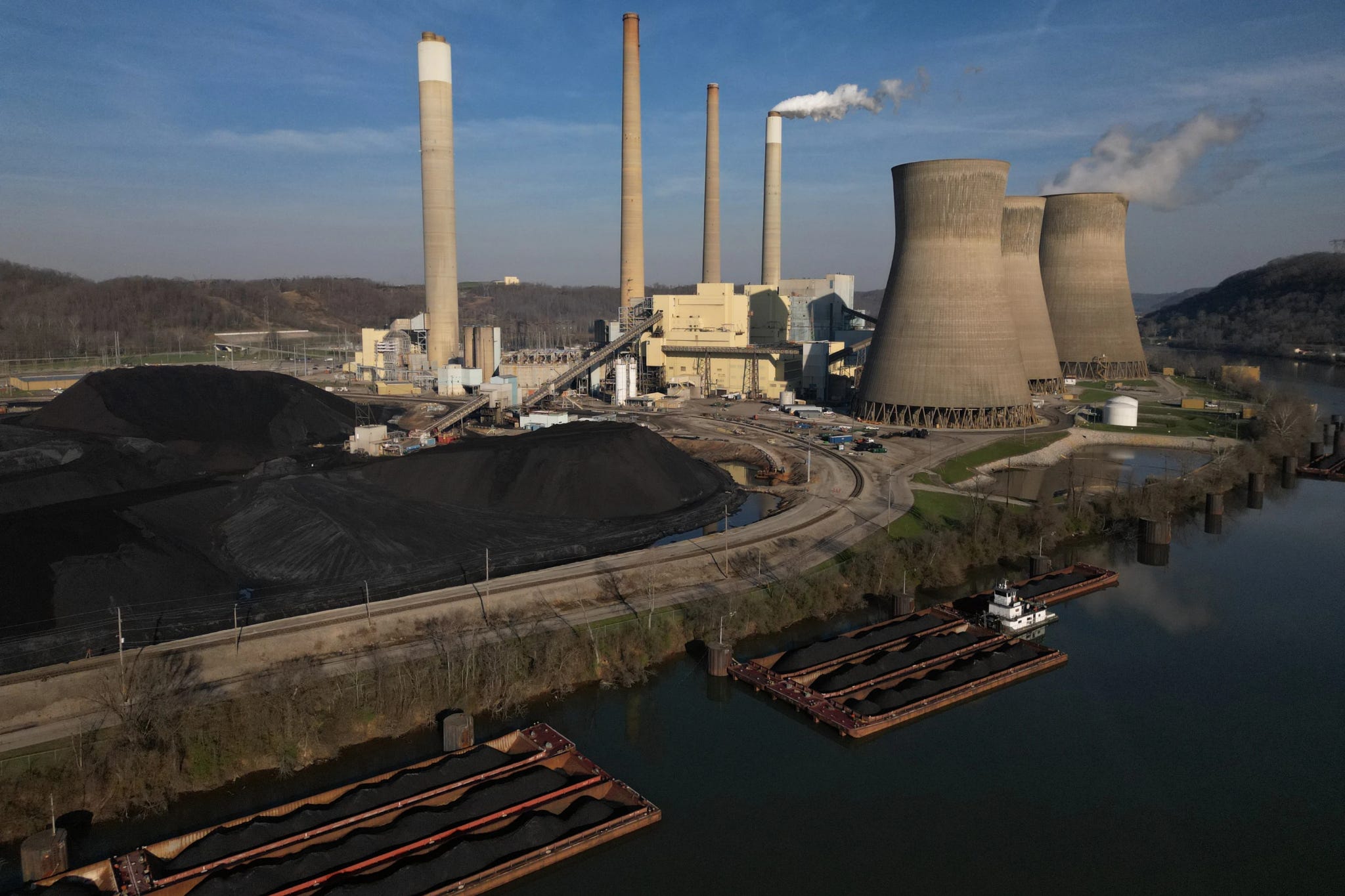
Invoking the Defense Production Act makes the administration’s logic explicit. That law was designed for national security emergencies — it’s been used to accelerate the production of military equipment, pandemic medical supplies, and semiconductors. Using it for coal signals that the White House views electricity generation not as an economic or environmental question, but as a matter of strategic competition. Every AI model requires computing power. Every data center requires electricity. In that framework, the grid itself becomes a geopolitical asset.
There’s something to that argument. The energy demand is real, and so is the strain on the grid. Meanwhile the alternative energy sources the administration’s critics prefer — offshore wind, nuclear, large-scale solar with storage — face timelines measured in years. Transmission lines alone can take a decade to permit and build. New nuclear projects have routinely run over schedule and over budget. Large-scale renewable developments face delays of years before they can connect to the power grid. If electricity shortfalls slow AI development or manufacturing expansion, the harm would be significant. So the administration is not wrong that something must bridge the gap.
The market decided
But here’s the problem with the bridge argument: coal didn’t decline because Washington turned against it. It declined because the market did.
Coal generated roughly half of US electricity in 2005. By 2025 that fell to about 10% — not primarily because of environmental activists or Obama-era regulations, but because natural gas got cheaper, renewable energy costs dropped dramatically, and utilities made straightforward economic decisions.
Many of the plants now receiving federal support were already scheduled for retirement for the same reason. The Maryland plant being restarted was described by its own owner as “not just uneconomic but extraordinarily uneconomic” when it closed in 2024.
The AI demand surge is real, but it’s not improving the economics. Coal plants nationally have run under 50% capacity for years, and data center demand is now pushing utilities to squeeze more output from them. But new plants have not gotten more economical to build, and the handful of ones the administration is funding are the exception, not the trend. Most forecasts still expect natural gas to absorb the largest share of new data center demand through 2030, with coal picking up a smaller slice mainly because it’s already sitting there.
Federal subsidies can extend that sliver of opportunism. They can’t make coal cost-competitive on its own. Tech companies have been moving aggressively to sign long-term renewable energy contracts, invest in next-generation nuclear, and fund their own clean power infrastructure. They want cheap, reliable electricity, and they’re not particularly attached to what generates it. The AI sector, in other words, is not waiting for Washington to solve this problem indefinitely — it’s hedging, and coal isn’t where most of that hedge is being placed.
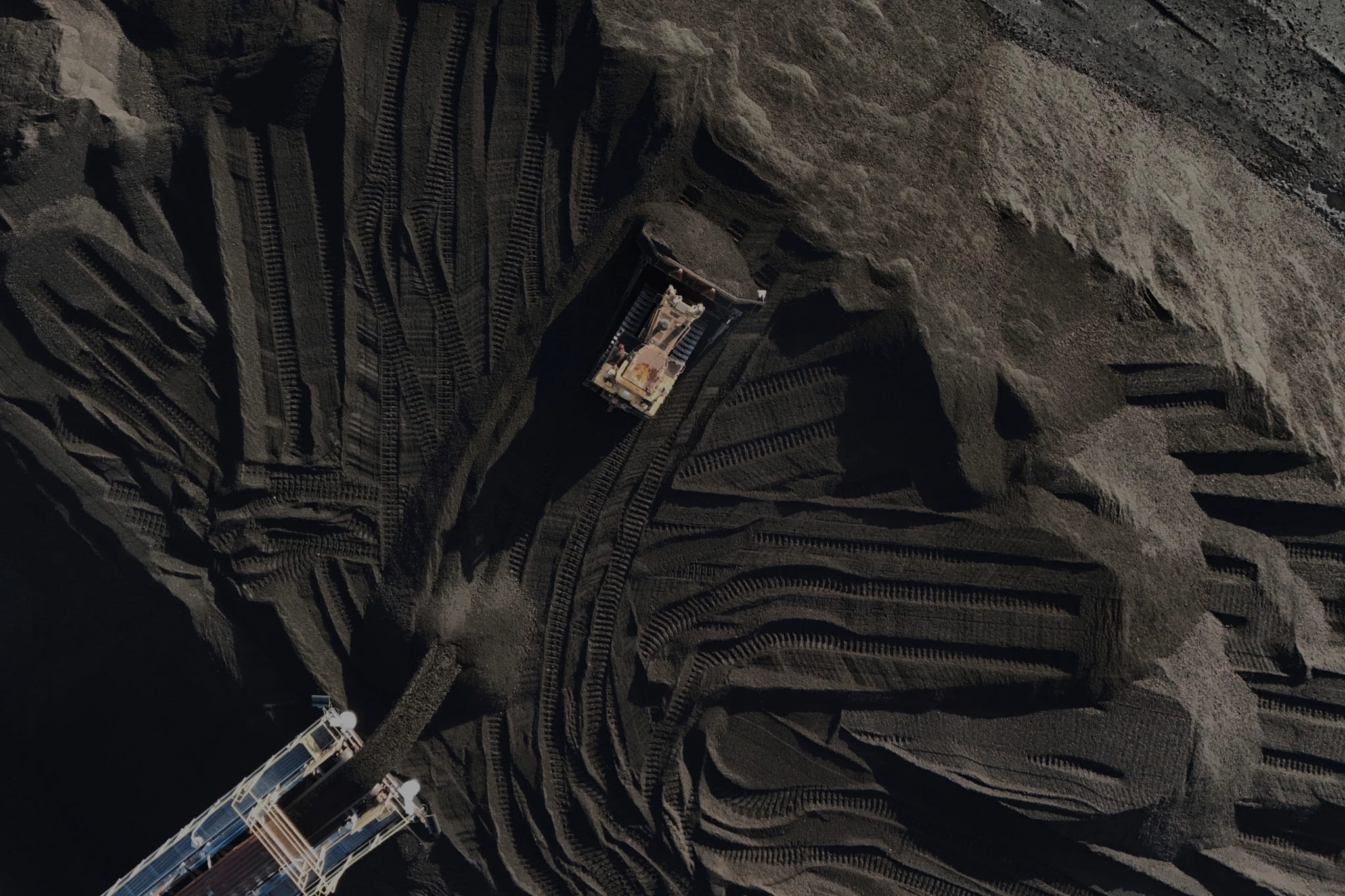
The environmental case against this bet is even more straightforward. Coal is the most carbon-intensive fuel in the American energy mix — it produces more carbon dioxide than natural gas does, and significantly more pollution than renewables.
Throughout its lifecycle, experts say, coal pollutes air, water, and soil in surrounding communities, contributing to cardiovascular disease, asthma, and premature deaths. Children and older adults are most at risk. “If you’re going to pick between living next to any sort of power plant,” said Mary Willis, a professor at Boston University’s School of Public Health, “coal should be at the bottom of your list.”
Extending the lives of aging plants — some by decades, under the administration’s projections — means those health and climate costs extend with them.
What to watch
Whether this strategy holds together depends less on political messaging than on a few practical variables that remain genuinely open.
The first is demand. If AI-driven electricity consumption grows as fast as the most aggressive projections suggest, pressure to maintain older power capacity will intensify. If growth is slower, or if tech companies build out their own clean energy supply chains faster than expected, the economic case for coal subsidies weakens considerably.
The second variable is legal resistance. Environmental groups have already criticized the administration’s plans and are likely to challenge major projects in court. The Oakland export terminal was tied up in litigation for nearly a decade.
The third is political staying power. Coal’s appeal for this administration is not purely practical — it’s cultural. When Trump talks about coal, he’s rarely just talking about electricity. He’s talking about work, identity, and industrial revival in communities that have been waiting for that revival for the better part of a decade — towns where the mine or the plant was the economic center of gravity, and where the sense of abandonment runs deep.
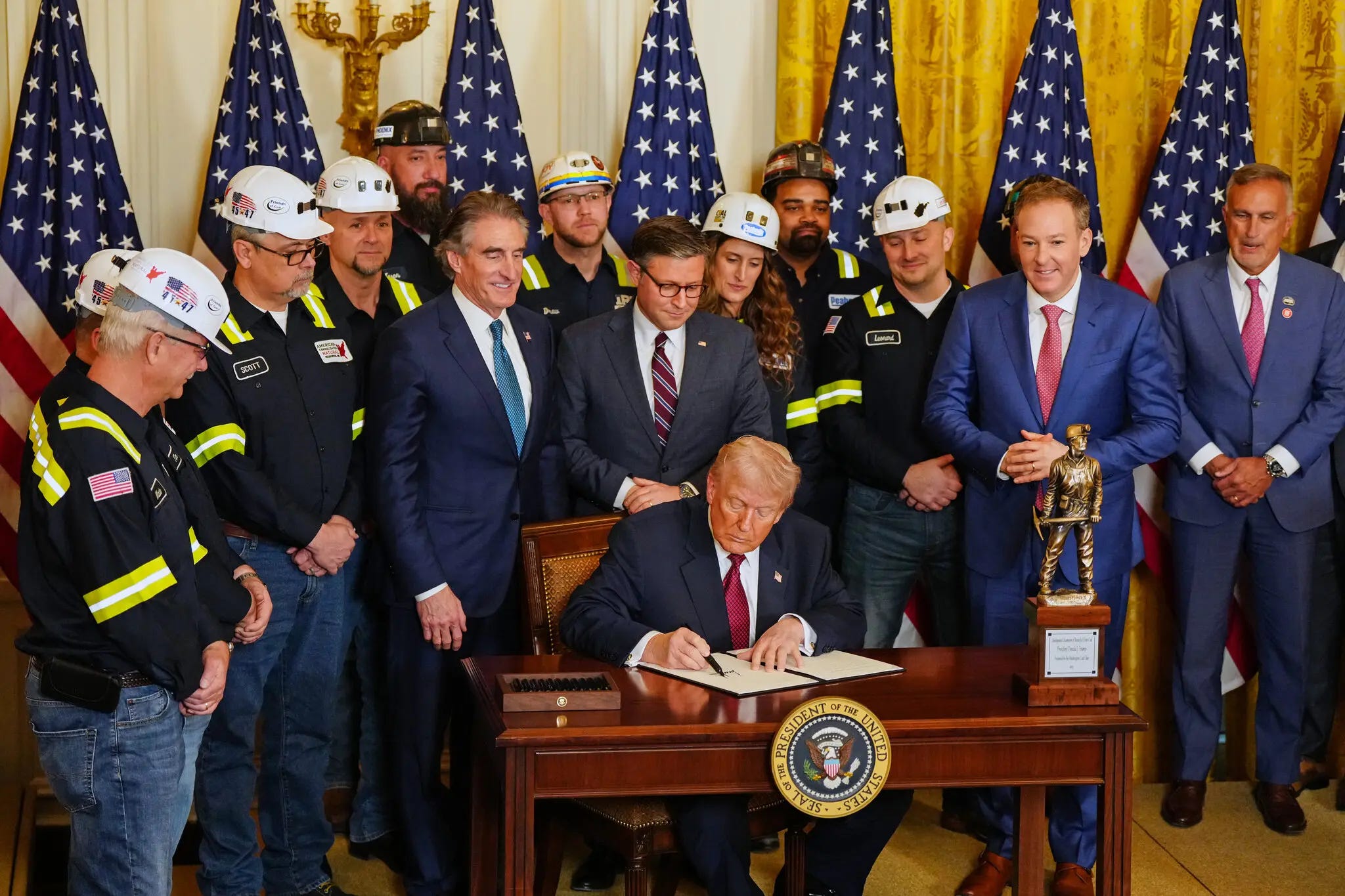
At a February White House event called “Champion of Coal,” which was framed around supporting workers and creating jobs in rural communities, Trump was flanked by miners and credited with “ending the Radical Left’s war on the industry.” The language was nearly identical to statements from his first term. In 2017 — also flanked by coal miners, who described “efforts to shut down their mines, their communities, and their very way of life,” according to a White House press release — he said his administration was “putting an end to the war on coal.”
The Department of Energy isn’t posting spreadsheets about grid reliability. It’s posting memes. The audience isn’t utility executives. It’s voters. That dynamic won’t shift with the economics — which means coal’s political life appears to be outlasting its commercial one.
The most honest read of this moment is both/and, not either/or. The electricity problem the administration is trying to solve is real — AI-driven demand is straining a grid that wasn’t built for it, and faster clean energy deployment faces genuine obstacles. But coal is a costly, polluting, economically fragile answer to that problem. The administration is reaching for the nearest available tool while betting that demand grows fast enough to justify it and that legal and market headwinds don’t overtake the subsidy.
The bet pays off only if the bridge leads somewhere. Right now, no one in Washington is building the other side.
 | A guest post by
|
Very informative! How is China handling the problem of depletion of its own electric grid?