


In the summer of 1980, advertisements appeared in Salvadoran newspapers offering “excursions to the U.S.” For $1,200, a man named Carlos Rivera would get you to Los Angeles. Dozens of people answered. They were middle-class families, mostly — people with enough money to pay, but not enough to leave El Salvador any other way. They packed suitcases full of winter clothes, Bibles, and keepsakes from home. Someone brought bottles of perfume. Between all of them, they had 20 gallons of water.
Rivera and his guides led dozens of people into the Organ Pipe Cactus National Monument in Arizona on the night of July 3, 1980. By the next morning, the water was gone. The air temperature hit 110 degrees. The desert floor was hotter still — 150 degrees, scorching enough to blister bare feet through the thin soles of their dress shoes. Some abandoned their shoes anyway and wrapped their feet in rags. When there was nothing left to drink, they drank the perfume they had packed. They drank drops of their own urine. Thirteen people died, including Rivera.
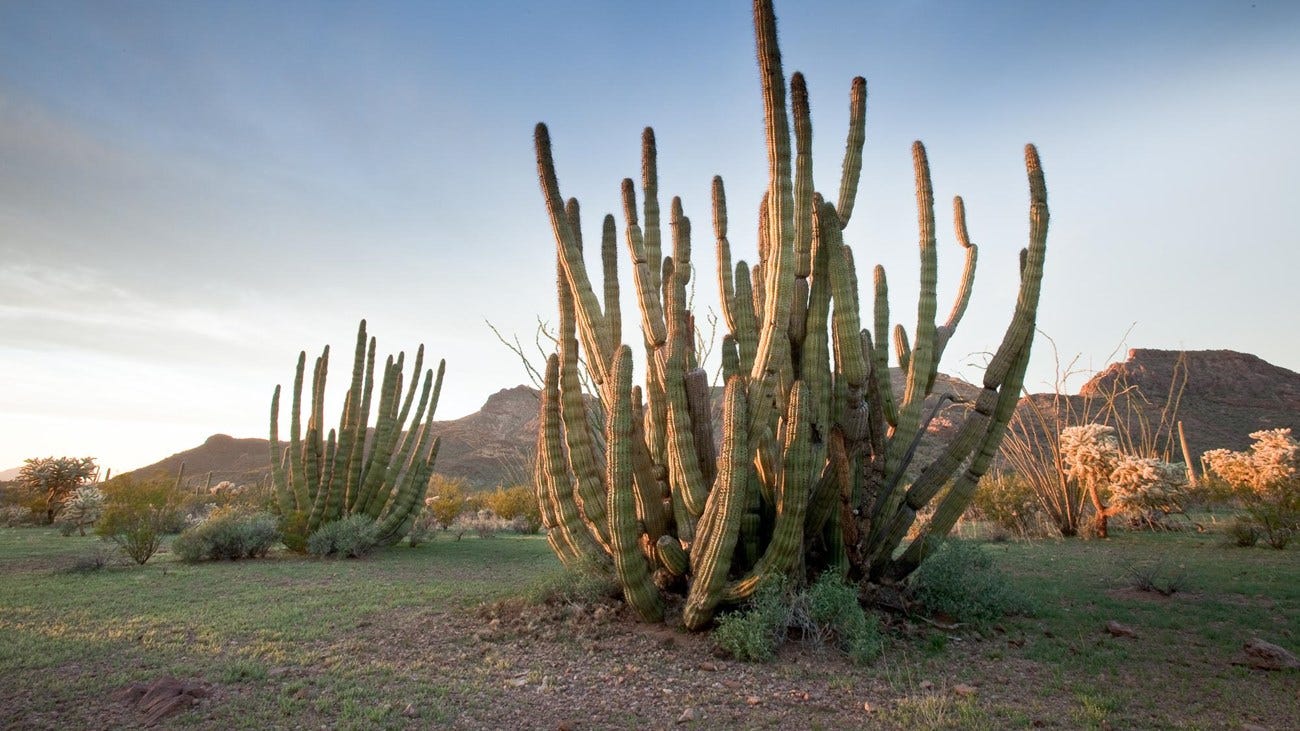
The survivors were found days later, covered in cactus thorns. Among the dead were all three daughters of Rosa Huezo — she was waiting for them in California, believing that she had paid their way to arrive via airplane. “I wanted my daughters here,” she said, “because in El Salvador they are killing so many people. Now my children are dead.”
A civil war had been tearing El Salvador apart for more than a year. On one side: a leftist guerrilla movement. On the other: a military government backed by the United States, which was determined, after losing Cuba and Nicaragua to communist influence, not to lose another Latin American country to the left. The Salvadoran army’s death squads were actively killing anyone suspected of sympathy with the other side, including union organizers, community leaders, priests, and nuns.
In March 1980 — four months before the crossing — the country’s most prominent Catholic archbishop was shot through the heart while saying Mass. His name was Oscar Romero, and the day before he was killed, he had broadcast a direct appeal to Salvadoran soldiers over national radio, saying, “In the name of this suffering people, whose cries rise to heaven each day more tumultuous, I beseech you, I beg you, I order you, in the name of God, stop the repression.” Assassins answered him the next evening. At his funeral, more than 250,000 people lined the streets, mourning the death of a man whose final Mass was in a hospital chapel. The funeral was interrupted by gunfire and smoke bombs, and dozens of people — some reports allege as many as 50 — were killed, likely by the Salvadoran government. More than 75,000 people would be dead before the war ended.
When Reagan took office in January 1981, his administration had a name for people like the ones who had just died in the desert. Not refugees, but economic migrants. The distinction was important, because under US law, refugees have legal rights that migrants do not, and because the US government was funding the Salvadoran military. To call its victims refugees would have meant admitting complicity in what its money was paying for.
What happened next is an old story, one that raises a question that has been asked and answered throughout the centuries. When the system has failed the people it was meant to protect, when justice and mercy diverge from law and order, what shall people of God do?