

When Asking for Help Isn’t Enough
The Lindsay Clancy trial raises a much bigger question than guilty or not

“I want help. I want to be well.” Inside a Plymouth County, Massachusetts, courtroom, jurors heard excerpts from Lindsay Clancy’s journal entries, offering a glimpse inside her state of mind leading up to the deaths of her children. And just as she wrote in her journal, she did seek help: Clancy called a suicide crisis hotline twice, tried at least a dozen different prescription medications, checked herself into a psychiatric hospital for several days, and was turned away from a hospital program for women struggling with their mental health after pregnancy.
Clancy, a Massachusetts mother and former labor and delivery nurse, is on trial for the 2023 strangulation deaths of her three young children. While Clancy has pleaded not guilty, she is not claiming that she didn’t commit the murders. Rather, she is saying that her mental state, at the time of the deaths — postpartum psychosis — means she is not criminally responsible. Her defense team, led by Kevin Reddington, paints the picture of a mother in the throes of a mental health crisis, begging for help, yet being failed by healthcare professionals at every turn.
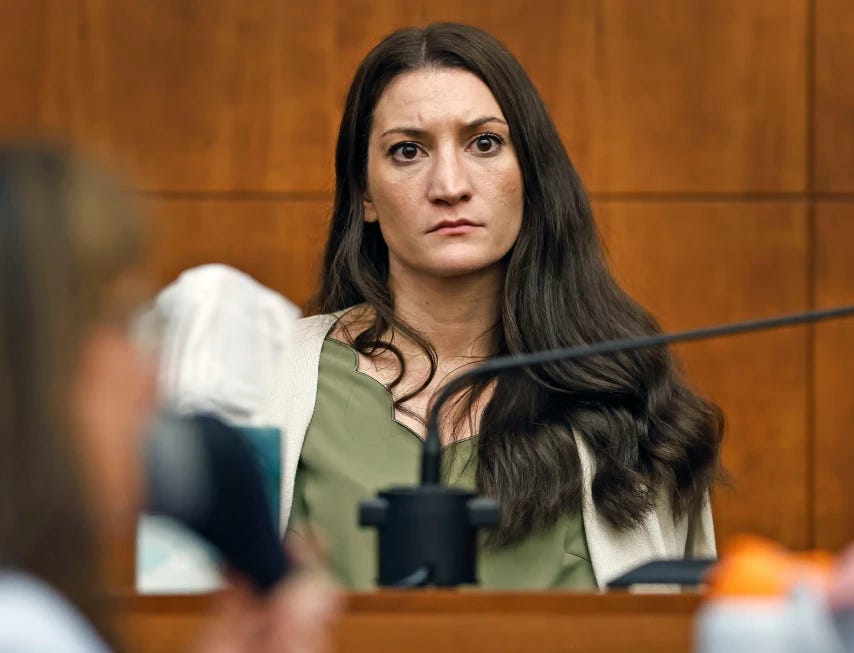
The prosecution argues that Clancy planned the death of her children and was methodical and deliberate when carrying out their murders, asserting that she was not experiencing psychosis, but that she wanted to escape her life. Searches on the family electronics in the days leading up to the deaths included things like, “Can you treat a sociopath?”, queries about detox programs, and ways to die by suicide. The lead prosecutor, Shanan Buckingham, has said that the case should not become “a public debate about women’s mental health and how the medical system treats women.”
But members of the jury in the court of public opinion seem to have made up their minds. On social media and discussion boards, the outrage is widespread, with people saying things like: “She’s a murderer.” “I had postpartum depression and never once did it cross my mind to kill my babies.” “She was a nurse; she should have known to take herself to the hospital.” It’s understandable to attribute this tragedy to moral failure — when the unimaginable occurs, we instinctively look for someone to hold responsible.
But not everyone sees Lindsay Clancy as a villain. Mothers, clinicians, and healthcare providers have rallied behind her. Some acknowledge a broken system at the center of tragedy. And while the judicial system will zero in on whether Lindsay Clancy is criminally responsible for the deaths of her children, an urgent, systemic crisis looms: How many times can a mother tell those around her “I can’t go on like this” before they believe her?
This forces us to confront a terrifying reality: even when a mother does all the right things to save herself and ultimately her children, the current state of healthcare in the United States is not equipped to support her in a meaningful way.
A broken system
Perhaps the greatest tragedy is that much of Lindsay Clancy’s story is not an anomaly. It is a microcosm of a culture that has normalized a mother’s suffering. When a mother shares her distress, when she reaches out for help, we minimize her anguish — we pacify her with empty validation: “You’re so strong, mama.” We tell her we’ve all been there, or we compete over pain: “Oh, you think that’s bad? Try doing it with no village.”
We encourage women to speak up. We tell them to advocate for themselves. But when they do the very thing we’ve asked, we don’t believe them. We tell them they don’t look sick. Or if they are as sick as they describe, then maybe they’re not fit to be a mother, and we involve Child Protective Services, which many mothers fear. As a clinical psychologist who specializes in perinatal mental health, I have witnessed this gap firsthand. But it’s not just societal perception and judgment. It’s the lack of care and consideration.
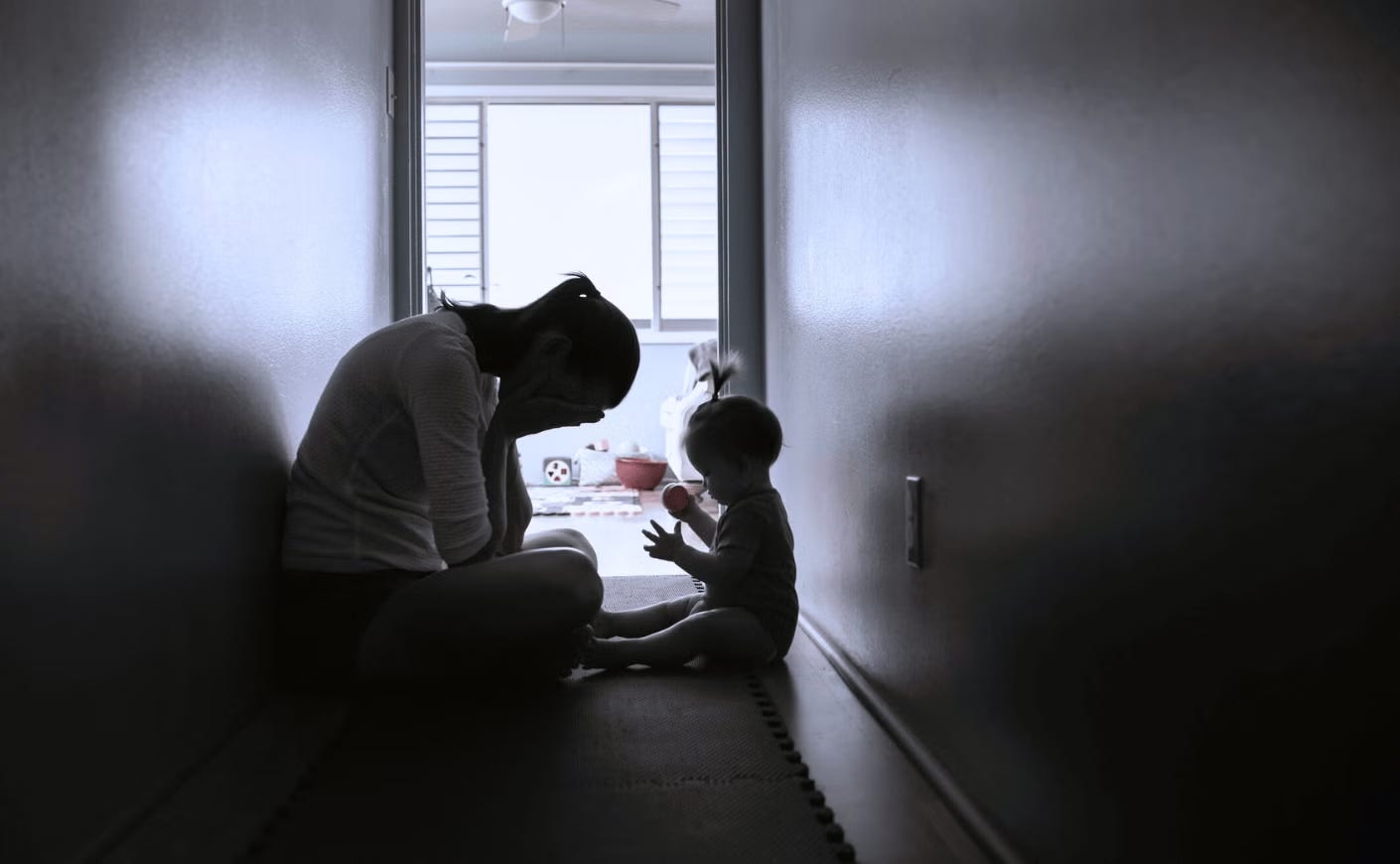
I work primarily with women during pregnancy and postpartum. But in order to help patients, I had to seek specialized training entirely on my own. Despite the years spent in my doctoral program, I never received formal coursework or clinical training focused on Perinatal Mood and Anxiety Disorders (PMADs). This isn’t my unique experience either — most clinicians do not receive specialized training on perinatal mental health. And because this training is optional, the average psychiatrist, emergency room physician, therapist, or nurse is simply never taught what to look for. When a mother experiences a crisis, the system lacks the structural support to hold her.
But the lack of a support structure doesn’t reflect the absence of a real need. According to the Maternal Mental Health Leadership Alliance, 1 in 5 mothers are impacted by perinatal mental health conditions. In fact, such conditions are the most common complication of pregnancy and birth as well as the leading cause of maternal mortality. Despite the rising rates of PMADs, 75% of women impacted by these conditions remain untreated due to stigma, lack of screening, financial barriers, or poor specialist access.
Our children are struggling. Schools, once alive with human connection, are now dominated by screens and digital tools. The result is unmistakable: declining performance, fractured attention, and the slow erosion of rigorous thought.
In The Digital Delusion, educator and neuroscientist Dr. Jared Cooney Horvath reveals how the widespread use of laptops, tablets, and classroom software is undermining learning—and what parents, teachers, and schools can do to push back with purpose.

Although the American College of Obstetricians and Gynecologists recommends routine screening for perinatal mental health conditions, recent studies demonstrate that screening occurs at alarmingly low rates. When researchers examined health records for more than 27,000 women who delivered at New York-Presbyterian Hospital between December 2020 and February 2024, they discovered that only 11.1% received at least one standard mental health screening. Across studies, clinicians cite time limitations, inadequate training, and limited referral pathways as key barriers to screening.
But this is just one piece of the puzzle. At times, it can feel like the puzzle has 10,000 pieces, and we’re trying to put it all together in a dark room. This is the terrifying reality of care for women: Nearly all preparation for the postpartum period is focused on labor and delivery or baby-centric care. There are myriad resources for teaching a mom how to feed her baby, start sleep routines, and use the dozen must-have gadgets to care for her infant. Yet virtually no structured care or preparation focuses on the mother navigating one of the greatest physical and emotional transitions of her life.
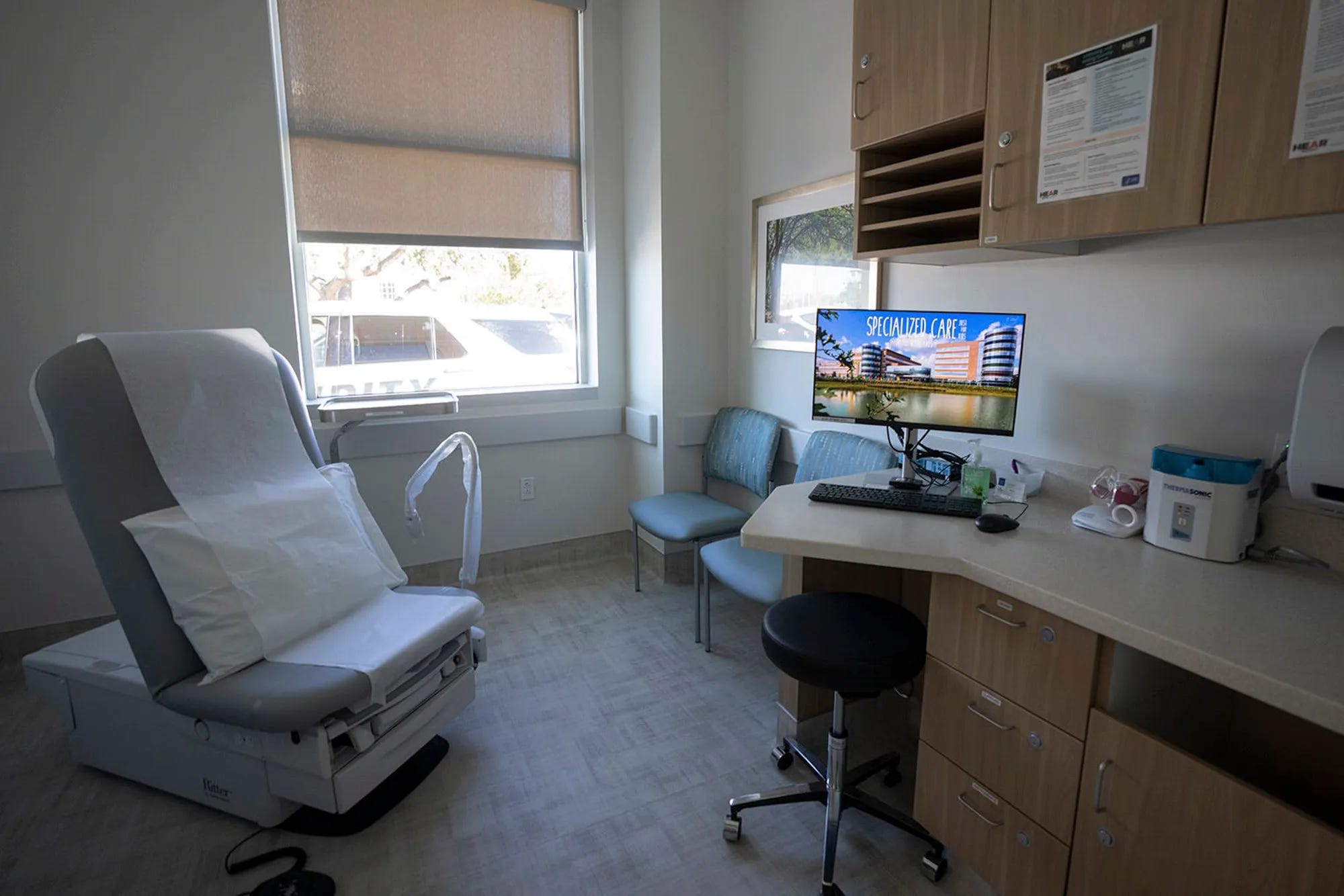
We rely almost exclusively on the 6-week postpartum OB-GYN check-up to capture any potential concerns. Yet we know the postpartum window of vulnerability begins the moment a mom gives birth, and she may experience distressing symptoms far beyond the first year postpartum. And it’s worth noting that most cases of postpartum psychosis — a psychiatric emergency — occur within the first few weeks postpartum, long before that routine six week appointment occurs.
If a mother in the US is hospitalized for a PMAD, she is typically separated from her infant and placed in a general, acute adult psychiatric unit, where she’ll be treated by staff who likely have limited training in perinatal mental health conditions. Very few specialized inpatient hospitalization programs for perinatal mental health exist in the US.
When we combine the insufficient research in women’s health, limited clinical training for healthcare providers, few dedicated resources, and the poor screening of perinatal mental health conditions, we create a dangerous trajectory. From Andrea Yates in 2001 to Lindsay Clancy today, the common thread is not a sudden tragedy. No, the thread is a system that treats maternal mental health as a problem a mother should navigate alone, while drowning in plain sight.
Stopping the cycle
If we want to prevent the next case of infanticide or maternal suicide, then we have to change how we care for women. A compassionate society doesn’t celebrate birth while simultaneously discarding the very person who brought that life into the world. Transforming systemic outrage into meaningful action can feel overwhelming, and it’s easy to wonder if individual efforts even matter. But real change starts with small, deliberate steps.
Here is where we begin:
Prenatal education for the expectant mother and her support network. Prenatal education must expand beyond birth plans and baby care. Expectant parents should be educated on the signs of perinatal mental health conditions, risks associated with sleep deprivation, or psychiatric emergencies. This education should include a support person. As a society, we need to increase our awareness of PMADs and learn how we can offer meaningful support. Whether this is listening without judgment, or making sure a mother is nourished, and doesn’t go without sleep, we cannot expect a struggling mother to advocate for herself when she might not even know what support looks like.
Standardized, continuous screening. We know that PMADs can present anytime during pregnancy and the first year postpartum. Perhaps the most obvious detection strategy is accurate screening. We cannot reduce screening efforts to a singular 6-week effort. And it shouldn’t be the sole responsibility of an OB-GYN to do this work. Every clinician who works with mothers needs to incorporate screening instruments into their practice — these are short, validated questionnaires that can help identify symptoms of perinatal mood and anxiety disorders. But simply administering these instruments is not enough. Providers need to know what the instruments are asking, where gaps might exist, which questions to ask for clarity, how to recognize early warning signs, and what to do if a screening becomes concerning.
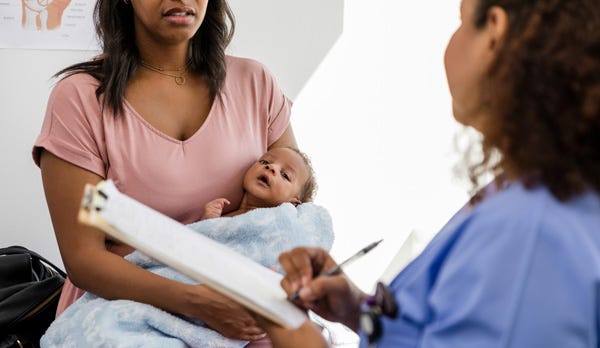
Inclusion of formal coursework within training programs. Perinatal mental health education can no longer be an elective specialization. Training programs for physicians, psychologists, therapists, and nurses should include education on accurately identifying and treating PMADs. You might ask, “but what about the already-practicing clinicians who are far removed from clinical training?” My answer to this is that we have an obligation to work within our scope of practice and many of us have taken an oath to do no harm. How can we work with perinatal women without deeply understanding the most common conditions impacting their well-being? We can’t, or at least we shouldn’t. With the right training, providers will either know how to help, or at least know when they are out of their depth as a provider and seek consultation and supervision. And when we feel the work we are doing stretches beyond our competency, we need to acknowledge this and coordinate appropriate referrals.
Integrated care settings. If we want to meet mothers where they are, we need to integrate perinatal mental health specialists into OB-GYN and pediatric clinics. When a specialized therapist is already on-site, they can readily be consulted if a pregnant or postpartum mom is experiencing symptoms of PMADs. This offers a warm hand-off between physicians and mental health clinicians. This integration strategy eliminates many provider and patient barriers. Many physicians face time constraints and limited referral pathways in the healthcare setting. And new mothers are challenged by the logistical nightmare of seeking outside support when trying to physically heal and care for a newborn. An integrated system allows for closer surveillance for postpartum women and greater collaboration among providers.
Paid family leave. We cannot discuss perinatal mental health without talking about the structural deficits in the US, namely the lack of paid family leave. In the US, new mothers take approximately 10 weeks of maternity leave, much of which is unpaid. The Family and Medical Leave Act (FMLA) requires that companies with 50 or more employees offer 12 weeks of unpaid leave. However, many moms return much sooner as they cannot afford to stay home. So while mothers navigate physical recovery, bonding with an infant, changes in family dynamics, and new or worsening mental health symptoms, they are forced to return to work and try to secure affordable childcare (which also doesn’t exist in most places). Paid leave is essential for many reasons. We know that it improves both physical health and wellbeing for the mother and infant. Existing studies routinely indicate that paid leave decreases rates of infant mortality, lowers reporting of intimate partner violence, and reduces the incidence of abuse among children younger than 2. It seems obvious that paid family leave shouldn’t be an afterthought, but rather a necessity that can support the well-being of mothers and children alike.
This is not an exhaustive strategy for women’s healthcare reform, and I don’t share it as a perfect clinician preaching from my high horse — I’ve seen the challenges in my own practice, facing the tough reality that even with the best intentions, clinicians are operating within a fractured framework. The truth is, the Lindsay Clancy case has highlighted the seismic failings of perinatal care for mothers in the US. This feels urgent because it is. My hope is that we don’t get so lost assigning blame that we ignore the absence of a system that was meant to support her — and us.
Justice in this case goes beyond the courtroom. It can only be found when our collective efforts create a society where a mother who seeks help for her mental health is actually saved before it’s too late.
Dr. Ashurina Ream is a licensed clinical psychologist, perinatal mental health specialist, and founder of Psyched Mommy. She empowers mothers with evidence-based tools and clinical insights to navigate the realities of modern parenthood.
 | A guest post by
|