

What Happens When the History They Want Hidden Becomes Searchable?
I found the history of my last name. Millions of other Black Americans soon could too

When I learned where my last name came from, it changed my entire life.
Of course, growing up as a Black American, I always knew that “Alford,” a surname with British origins, wasn’t exactly a reflection of my African genealogy.
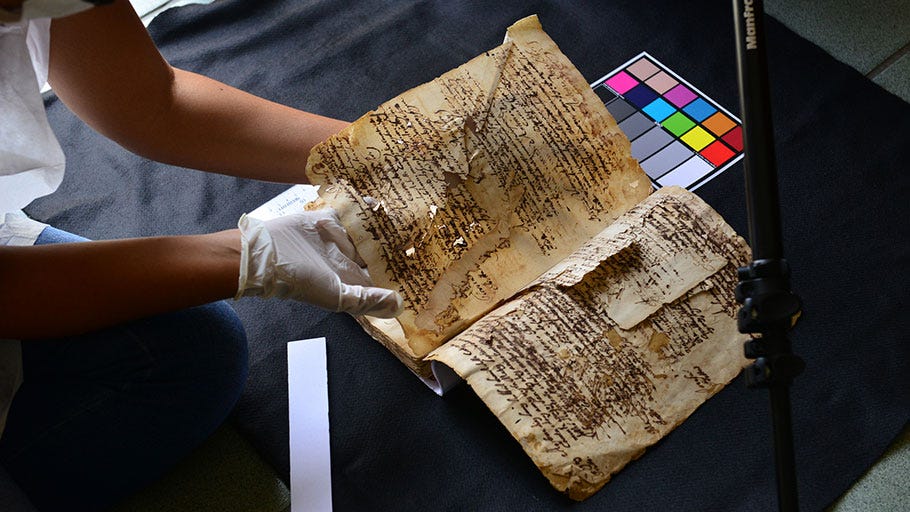
But the confirmation that it was in fact a slave name — the name of the family that owned my ancestors in the years before emancipation — came from a digitized Freedmen’s Bureau contract, where my newly emancipated ancestor, Beachmon, signed his name with an X. The bureau helped facilitate the transition from enslavement to emancipation for an estimated four million Black people, and my ancestor’s new contract laid out the terms of his new sharecropping arrangement — how he was required to care for all the tools he used or pay a fine, to avoid drunkenness, and that he was not allowed to possess a weapon. All of my life, family lore of our connection to the American South had stopped short of naming the exact plantation, or the exact people, who had made my existence possible. Now, in the early 2020s, I could unearth those details online.
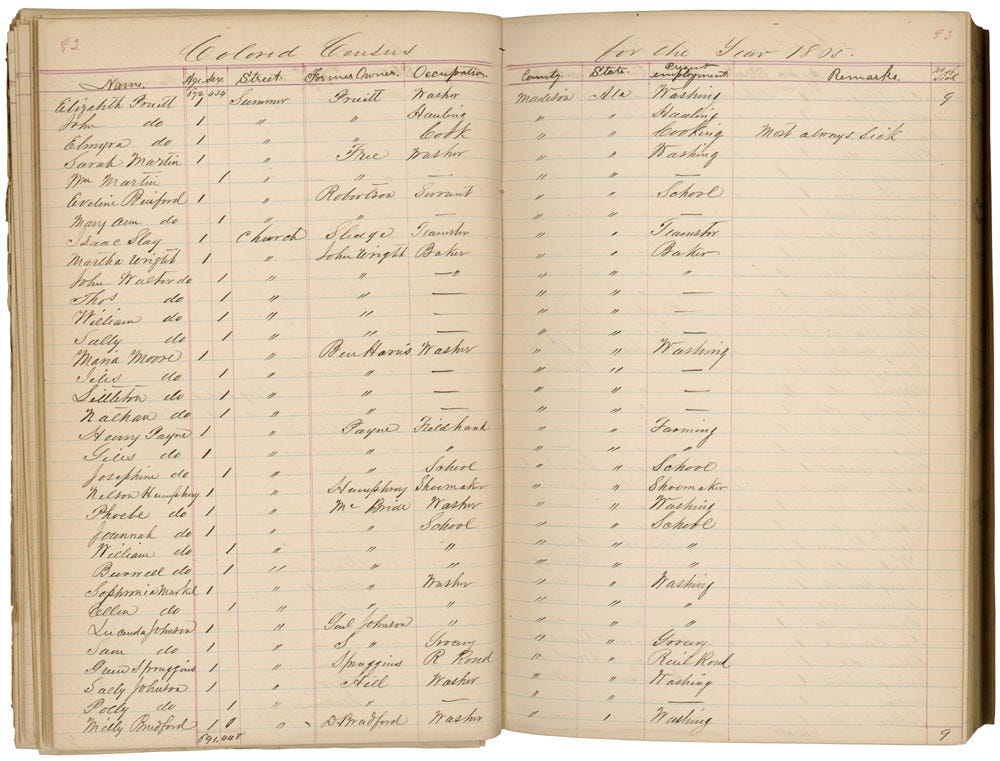
It turns out my experience is just one discovery in a larger movement to make knowledge about slavery in the US accessible to millions. At a time when some of the nation’s most powerful people are suppressing any American history that isn’t “uplifting,” both government agencies and private companies are investing time and resources to take documents, primary sources, and testimonies from one of the darkest chapters of the American story out of the shadows of storage boxes and archives and putting them within easy reach.
As the culture wars rage on, technology and online access may yet gain the upper hand over efforts to hide the history of slavery.
What the records offer
Digitized records are a treasure trove of data for researchers, historians, storytellers, and everyday people who are looking to understand Black life during slavery and in the post–Civil War era. The types of records are wide-ranging: there are ship manifests from Southern ports that trace the domestic slave trade, showing where and how families were separated. There are also plantation records, including account books, journals, and letters, all offering a window into both the business of slavery and day-to-day life in the places enslaved people lived and worked.
From after emancipation, there are labor contracts that show how much newly freed people were actually paid, and how Jim Crow Black codes replicated many of the conditions of slavery even without the formal titles. Digitized ration lists reveal where Black freedmen and freedwomen were living, who once owned them, and how desperately hungry they were, telling much about the state of the country and which slaveholding families held power. There are also land leases, hospital records, and military enlistment documents to look through.
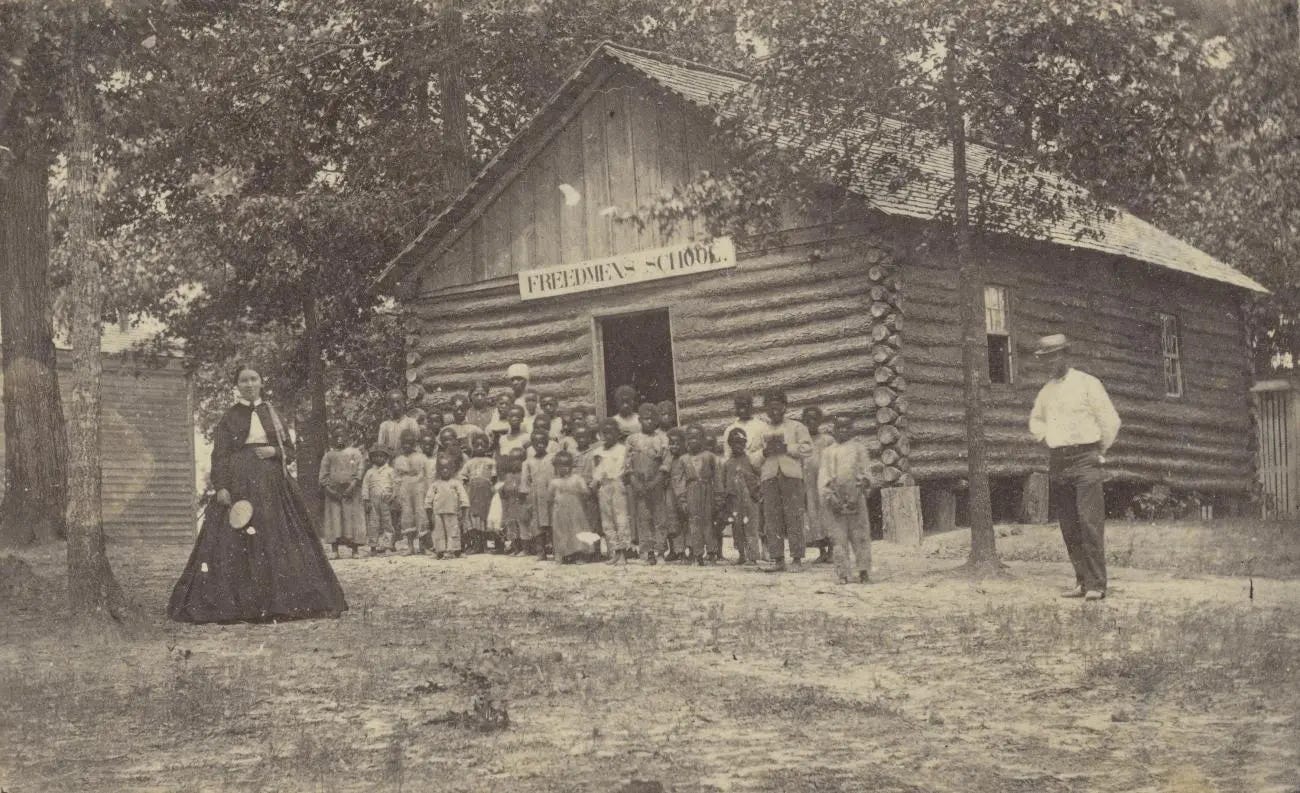
Then there are the marriage registers, which document how Black Americans formalized their family structures after being denied that right during slavery. Those records make it easier to track family growth and genealogy, but also confront longstanding stereotypes about Black families. The digitized records take different forms, some being scanned originals — showing the actual handwriting of people from centuries past — while others include typed and analyzed versions of original data for ease of reading, like many Census Bureau documents that detail people’s jobs, who they lived with, whether they could read or write. All of these documents add real depth to histories and scholarship that can sometimes be flattened by overly simplistic retelling. Where access once required a potentially expensive trip to a university or the National Archives, digitization has removed that barrier for researchers, policymakers, and lay historians alike.
The government’s digitization push
In 2022, under President Joe Biden, the US National Archives and Records Administration (NARA) released a strategic plan committing to digitize 500 million pages of general records and make them available online through the National Archives Catalog by September 30, 2026. According to NARA’s strategic plan published in 2022, it holds “more than 13 billion pages of documents, photographs, films, and other records in analog formats.” NARA didn’t specify how many of those records were specific to slavery, but in that same plan, NARA pledged to expand its descriptions of archival holdings “to promote equity in discovery and public access to archival records related to underserved communities.”
The very language of “equity” highlights the Biden administration’s commitment to principles that have fallen out of favor under the second Trump administration. NARA’s website still features a video about the digitization project and its news blog includes updates on newly digitized records (albeit unrelated to slavery), so the work may be continuing. However, the digitization process is unfolding against the backdrop of $59.5 million in budget cuts by the Trump administration and layoffs of nearly 100 workers.
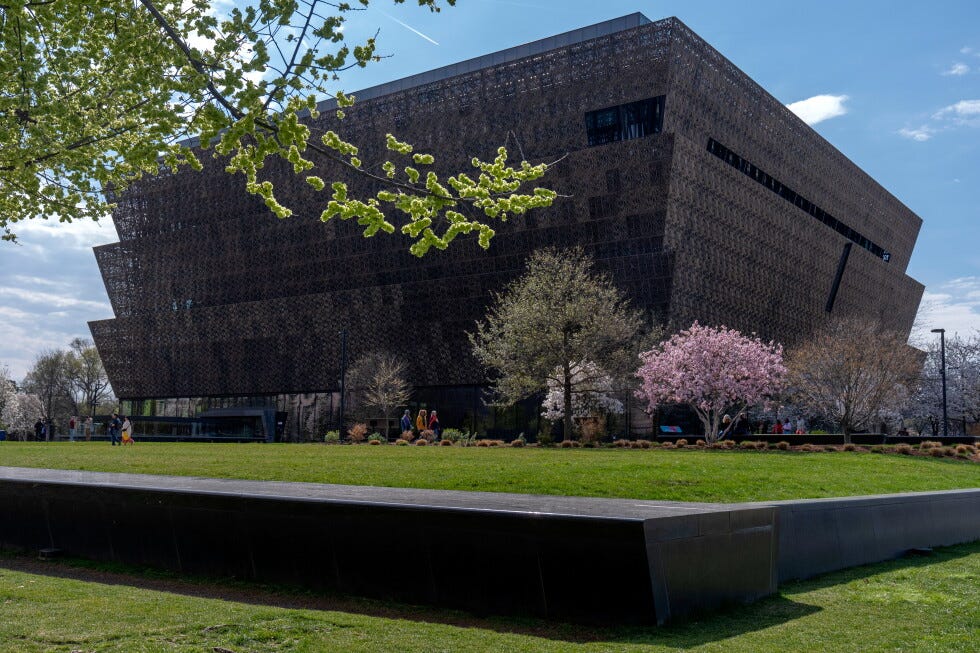
But NARA isn’t the only government entity working to make records more accessible. The National Museum of African American History and Culture launched its own effort in 2016, the Freedmen’s Bureau Transcription Project, in collaboration with the Smithsonian Transcription Center. It’s a volunteer-driven push to review and transcribe more than 1.7 million pages of records associated with the Freedmen’s Bureau, which Smithsonian calls the largest crowdsourcing initiative they have ever sponsored.
A broader coalition
While public efforts to digitize records are ongoing, private companies are carving out a space for themselves. Companies like Ancestry.com are expanding their digitization efforts, particularly around slavery records. The company is a longstanding player in the digital records space, having offered online records access since 1996 — well before the current wave of digitization — with amateur genealogists as its target customer base. Ancestry’s products may be particularly appealing for Black Americans when you consider the emotional appeal of closing gaps in our family histories that were the result of migration, upheaval, erasure, and dehumanization.
The discovery of my ancestor Beachmon’s story coincided with the 2024 release of Ancestry.com’s Articles of Enslavement collection, which includes details about more than 183,000 enslaved people. Their stories were drawn from 38,000 US newspaper articles spanning 1788 to 1867. Ancestry offers free access to the Articles of Enslavement collection — which has since grown to include 150,000 articles — but there’s also profit in digital records. The company was acquired by private equity firm Blackstone in 2020 at a $4.7 billion valuation, and as of 2025 had 3 million paying subscribers and generated $1 billion in annual revenue.
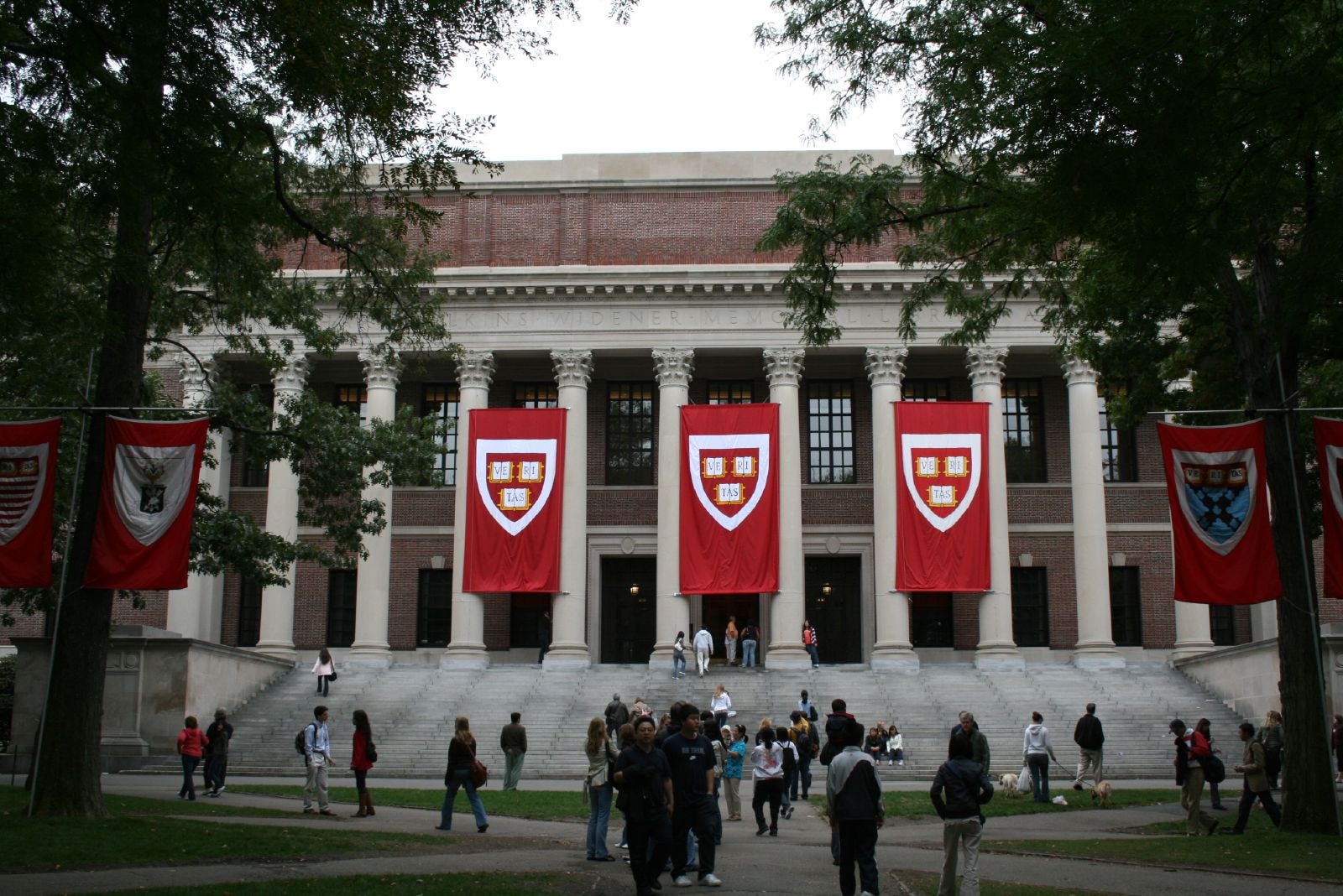
Along with private companies, universities from Harvard to Princeton have joined in to support digital humanities projects tied to the digitization of slavery records, with projects like Enslaved.org being led by academics at Michigan State University and the University of Maryland, and Georgetown’s Slavery Archive making records related to the Maryland Jesuits and Georgetown University more accessible to the public. Whether it’s students finding new inspiration for academic research or a millennial searching for answers about her family’s past, digitization has removed barriers and expanded opportunities.
Other projects have set even bigger ambitions. 10 Million Names, run by the genealogical organization American Ancestors, aims to recover the names of an estimated 10 million adults and children who were enslaved in what is now the United States, from the 1500s through emancipation. The project was featured on ABC News last month, over the Fourth of July weekend.
Working with 10 Million Names researchers, ABC News identified the first confirmed living descendants of an enslaved man who helped build the White House. Jackie Smith Sullivan and her daughter, Ashley Swain, a Spelman College alumna, learned that their ancestor Calvert Ambush helped build the North Portico in the summer of 1829, a discovery that took researchers more than two years of searching through dozens of records across several states. The project’s database is free to all and includes a guide for uncovering family history.
“To know that I’m a descendant of someone who helped build the White House, where the first Black African-American president was, it gives me goosebumps. It’s something I would have never thought or imagined,” said Swain, in an interview with Robin Roberts.
“It makes me think that there’s a larger history of the contributions of Black people to this country that are not well known and not widely acknowledged,” said Harvard professor Dr. Vincent Brown, a member of the Scholars’ Council for 10 Million Names. The Scholars’ Council is made up of leading academic authorities in the field of history and African American studies, who provide guidance, represent the project publicly, and support research.
“I’m proud, but also frustrated that often those people are disparaged as if they made no contribution, as if by virtue of being enslaved, they didn’t count.”
The question of who counts has become a battleground under the Trump administration, with critics arguing that the president’s approach to American history is meant to erase enslaved people from the equation.
Whose history matters?
In March of 2025, Trump issued Executive Order 14253, “Restoring Truth and Sanity to American History.” The order criticized the current state of American history, arguing that there’s a “widespread effort to rewrite our Nation’s history, replacing objective facts with a distorted narrative driven by ideology rather than truth,” which has resulted in presenting America as “inherently racist, sexist, oppressive, or otherwise irredeemably flawed.”
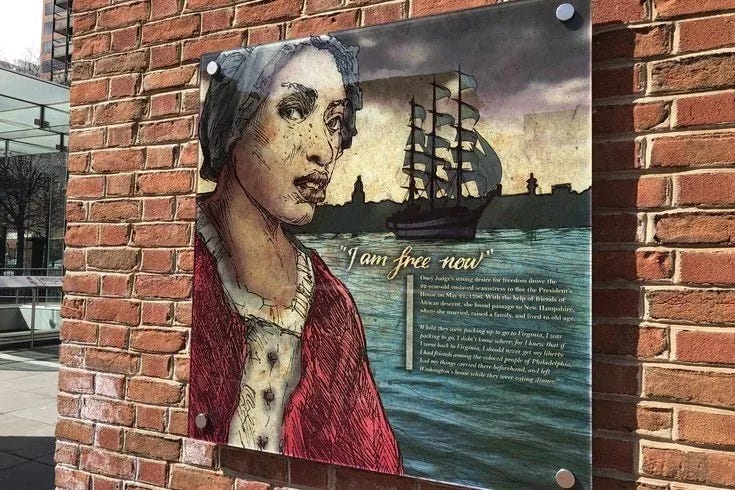
Trump’s executive order directed the interior secretary to reinstate markers and monuments that had been removed since Biden took office in 2020, several of which honored the very Confederates who fought to preserve slavery. Meanwhile, the history of slavery itself is being taken down. The Interior Department and Park Service have flagged hundreds of items for removal, including an exhibit in Philadelphia about the people George Washington enslaved, which included a panel about Ona Judge, a Black woman who escaped and stayed free. Federal judges ordered the material restored earlier this year, but appeals courts put those orders on hold.
The reality of this public erasure is what makes the digitization of slavery records so powerful. These records are both personal histories and American history, and they humanize people in American history who are often spoken of in the abstract, understood only as victims or as goods. Families now don’t have to visit a government-vetted museum or spend any money to search these databases for their ancestors, or to understand what drove their migration patterns, struggles, and triumphs. They can type in a last name, a city, or a time period, and find scanned documents showing the actual handwriting of the people who came before them, and documentation of their family’s information at the time. At the same time, researchers and historians can more readily access information that may deepen or even change our collective understanding of a critical period in American history.
The digitization of these records is one of those times when technology’s outsized influence is doing some good, combating an anti-intellectual and anti-fact-based approach to public historical narratives. Knowing the good, the bad, and the ugly is its own kind of American freedom.
Meeting my oldest traced ancestor, Beachmon, through this signature, tells me that the blood that pumps through my veins is both resilient and deeply American. It plowed this land for the profit of others, was registered for the draft in wars this nation fought in, and after all was said and done, went from enslaved laborer to a laboring citizen.
It gives me a sense of belonging in this country that no one can take away from me, even as cultural battles are waged over who belongs, who doesn’t, and who is truly patriotic.
My roots run deep in this beautiful and troubled nation of which I will always be a daughter.
 | A guest post by
|