

We're All Being Recorded All the Time
Technology has outpaced privacy law's ability to protect us

Two people sit down for a first date. Halfway through dinner, one tells an embarrassing story from college. Later, the other admits they are thinking about leaving their job. They laugh. They flirt. They wonder whether there will be a second date.
And after dessert, one of them goes home, uploads the entire conversation into Anthropic’s Claude, and asks the artificial intelligence how the date went.
Seriously. This is happening.
The Wall Street Journal recently profiled Emmie Chang, a tech founder who records most of her first dates with an AI transcription app called Granola. She places her phone on the table or her chair, then sends the recording to Claude for a report on her performance.
Modern courtship has acquired a postgame show.
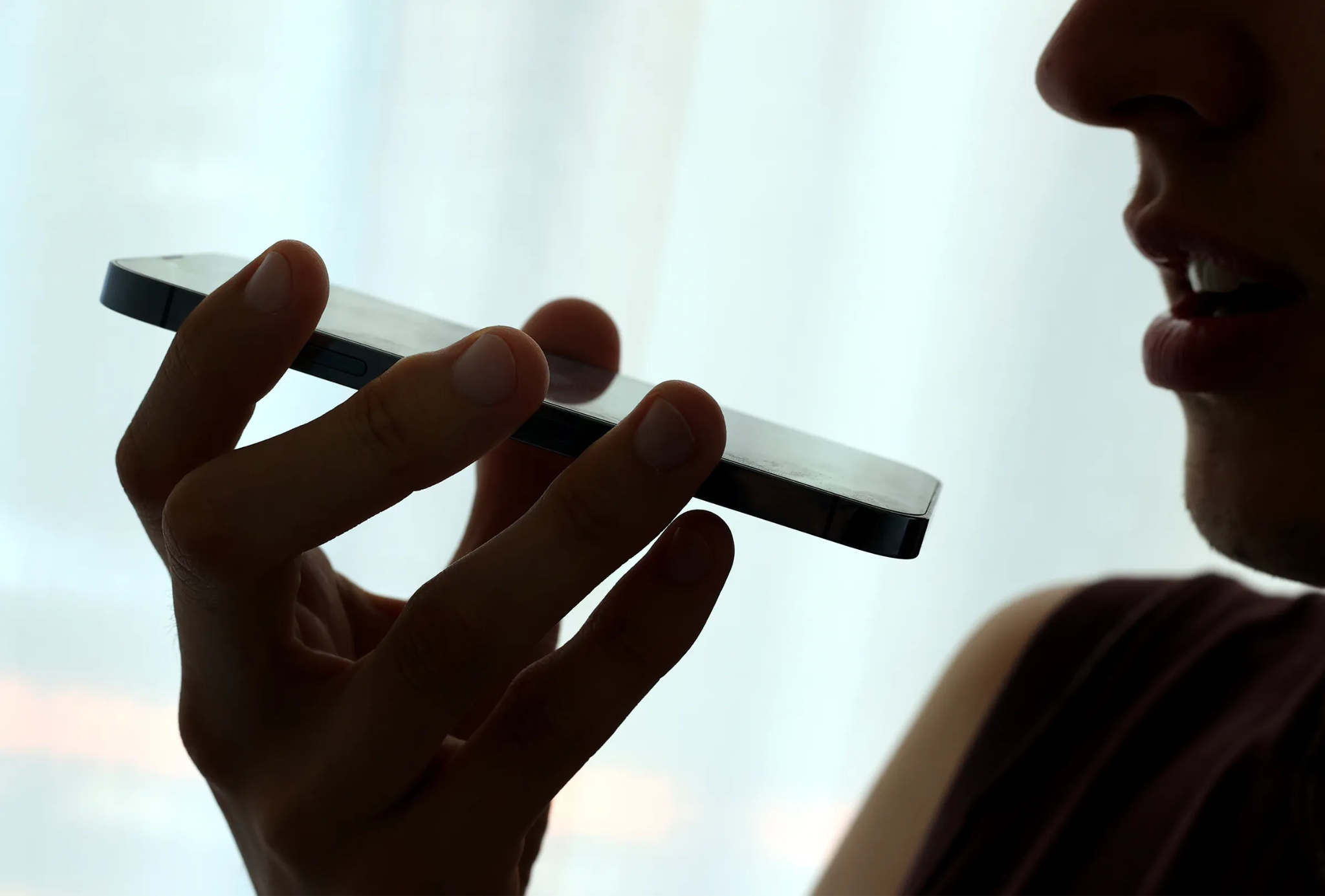
Chang is part of a broader movement among tech workers who now record meetings, workplace conversations, and impromptu chats so that AI can produce transcripts, action items, and performance feedback. One company sells a $129 device designed to record conversations throughout the day. Its chief executive told the WSJ that customers did not want the device automatically announcing that it was recording them.
“People prefer to do it themselves,” he said.
Maybe. But let’s not forget that the people being recorded might have a preference, too.
This is where the disappearance of privacy is heading. We once worried about governments secretly installing microphones in people’s homes. Now we purchase the microphones ourselves and place them in every room.
The recording light is getting harder to see
A few days before the WSJ published the story about recorded dates, it reported on Meta’s effort to make smart glasses an ordinary part of American life.
The glasses usually look like typical Ray-Bans. They can take photographs, record video, hear conversations, and use AI to interpret what the wearer is seeing. There is a small light intended to alert bystanders when recording begins, but privacy advocates worry people may miss the signal, fail to recognize what it means, or encounter users who hide it.
If that’s not scary enough, Meta has also filed a patent application for a system that could record a user throughout the day, assess the person’s mood, and use the information to customize workout plans.
The application offers examples (yes, the following is truly in the patent application):
“User laughs with friend at dinner at 5:15 p.m.” An AI system notes it. Later, the user sighs. The system hears that too and adds it to the record.
Meta correctly says that companies file patents for ideas that never become products. Still, the application captures the direction we’re all traveling in when it comes to personal privacy.

These developments impact more than the people who buy and wear the devices. The owner of smart glasses agreed to Meta’s terms. The friend across the table did not accept anything. Neither did the co-worker in the hallway, the stranger on the train, or the person having a bad day at the next table.
For most of human history, being seen was completely different from being recorded. Being overheard did not mean being transcribed. A stranger could notice where you were, but that person probably could not compare the observation with a database containing your movements over the previous month. Now, almost every one of us has a constant witness in our pocket.
The law still hears one conversation at a time
American privacy law developed when surveillance was much more labor-intensive. Following someone required a person, a vehicle, and a great deal of patience. Recording a conversation required equipment that had to be installed in secret. Searching records meant visiting courthouses, police departments, libraries, or office buildings. Time, distance, and inconvenience provided a layer of privacy that no statute had to create.
As those protections have been removed, the law has been slow to catch up. According to federal statute, a person generally may record a conversation when that person is participating in it or when one participant consents. But one-party consent becomes a much larger surrender when the party arrives carrying infinite memory and an instantaneous analytics department.
Only about 11 states primarily require everyone involved to consent, although the details vary wildly with the state, the setting, and whether the conversation occurs in person or electronically.
And even if we get a black and white answer about the legality of the recording, the laws say far less about what comes next.
 | A guest post by
|