

There's One Problem With the Israel-Lebanon Ceasefire
Hezbollah isn't bound by the deal

A note before today’s piece:
Governerds Insider is my private book club and community. We only open three times a year, and the last two seasons sold out in a matter of days. Most of the people who want in don’t get in.
We’re 96% full for Season Two, and doors close this week. This season Jill Biden and Marjan Kamali are joining us live. Ibram X. Kendi is teaching on Replacement Theory. Steve Vladeck is coming twice to walk us through what the Supreme Court did this term — the cases, the rulings, and what it all means going forward.

If you’ve been waiting for the right moment, this is it. The next one won’t come around until September.
— Sharon
Now, on to today.
American and Iranian negotiators are trying to hammer out a deal to end the war between their nations. But a smaller, no less combustible front in Lebanon is testing whether that is possible.
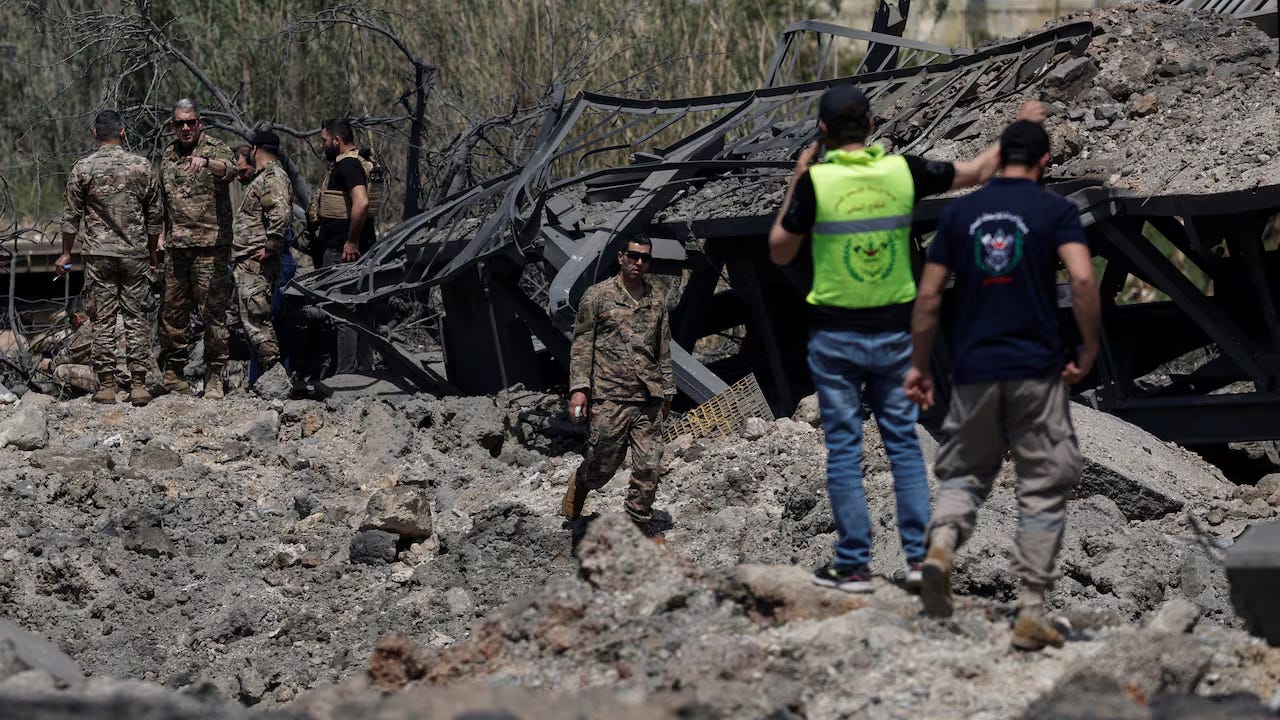
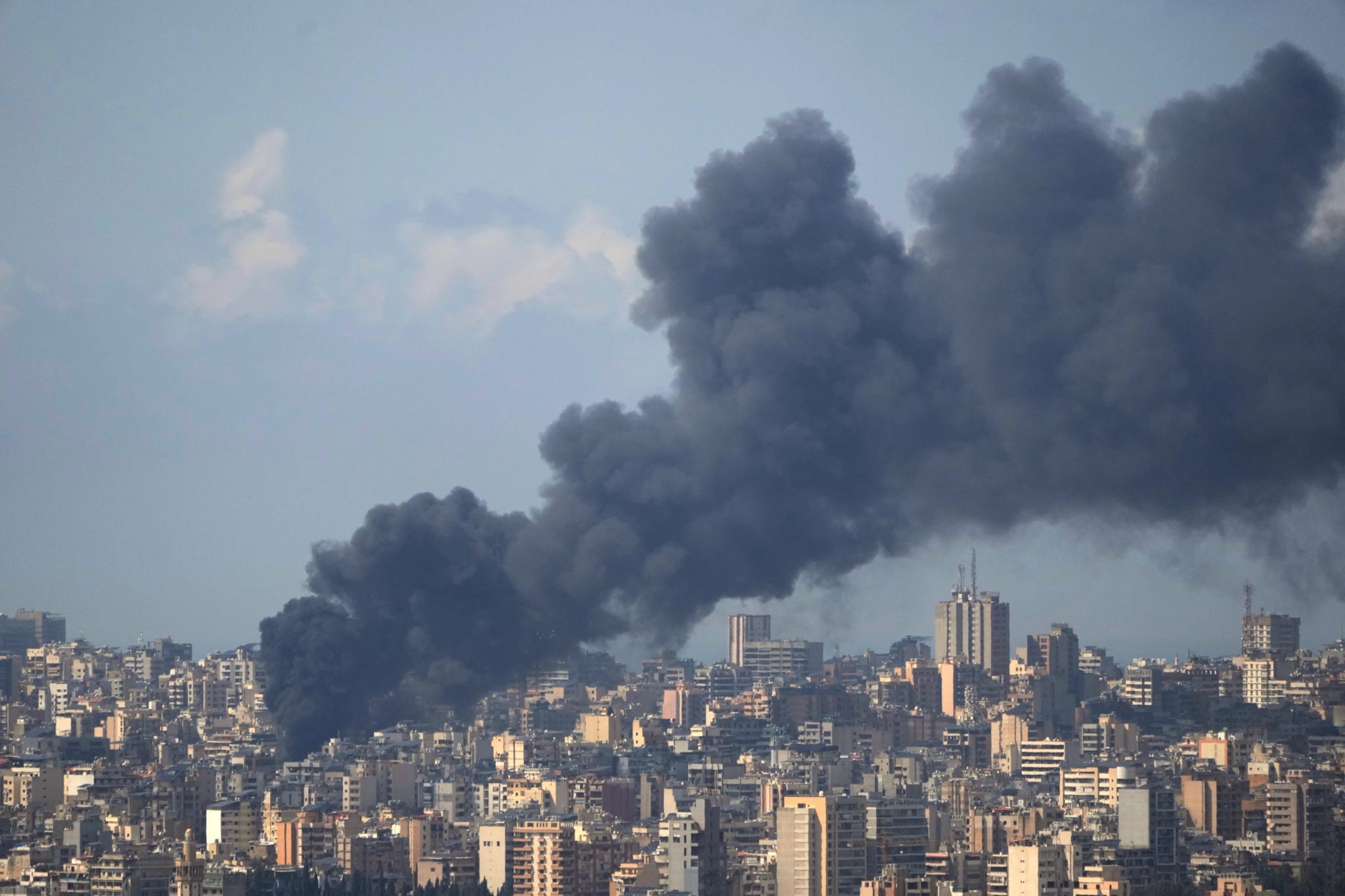
Six weeks of renewed Israeli assaults on Hezbollah — Iran’s most powerful proxy force — have left more than 2,100 people dead and over a million displaced, roughly a quarter of Lebanon’s population. Southern Lebanon has been effectively cut off from the rest of the country after Israeli forces destroyed key bridges over the Litani River, isolating entire communities and complicating any return to normal life.
Amid that wreckage, President Donald Trump announced on April 16 a 10-day ceasefire between Israel and Lebanon to improve the chances of reaching a diplomatic solution with Iran to end the war. It is the latest in a long line of ceasefires that have paused the conflict between Israel and its northern neighbor. The question now is whether anything about the conditions that have broken every previous deal has actually changed.
A state that cannot disarm itself
To understand why this ceasefire is so fragile, it helps to understand what Hezbollah is — and why the Lebanese state has never been able to dismantle it.
Over the past four decades, Iran systematically built a network of proxy forces across the Middle East by embedding itself in poor, marginalized Shia communities in Lebanon, Iraq, Yemen, and elsewhere that Sunni Muslims were in power. These groups were not constructed as traditional militias. They were designed as hybrid entities: political parties, social service providers, and armed forces operating simultaneously.
In Lebanon, the result is Hezbollah, a governing authority in parts of the country. It holds seats in parliament, runs hospitals and schools across the Shia south, and has built an arsenal once estimated at more than 150,000 missiles, hiding them in schools, behind UN posts, in people’s homes. It answers not to Beirut but to Tehran — functioning as Iran’s most powerful foreign legion, fighting Israel on Iran’s behalf and serving as the tip of what Iran considers its “axis of resistance.”
Lebanon’s sectarian system made this possible. Power is divided among religious communities in a delicate balance that has repeatedly proven unstable, most violently during a civil war from 1975 to 1990 that killed roughly 150,000 people. Hezbollah emerged from that period as the armed representative of Lebanon’s Shia population — the country’s largest and historically most marginalized group — backed by Iranian funding, training, and strategic direction.
That combination is what makes Hezbollah so resilient. It is not an external force imposed on Lebanon; it is deeply embedded within it. Asking the Lebanese government to dismantle Hezbollah is not simply a question of political will. It is like asking someone to remove part of their own skeleton.
“The pathway towards dismantling Hezbollah goes through the Israeli military or a civil war in Lebanon,” Avner Golov, a former Israeli national security official, said recently.
A history of temporary solutions
Israel and Lebanon have technically been at war since Israel’s founding in 1948, but the conflict with Hezbollah took shape following Israel’s 1982 invasion of southern Lebanon, which was aimed at expelling Palestinian militants operating from Lebanese territory. In the aftermath of that occupation, and amid Lebanon’s broader civil war, Hezbollah was formed with Iranian backing as both a resistance force and a political movement.
Since then, the pattern has been consistent. Israel withdraws or pauses. Hezbollah regroups and rearms. Fighting resumes under slightly different conditions, but with the same underlying structure intact: Israel is in active conflict not with the Lebanese armed forces, but with Hezbollah fighters not under the government’s control.
A 2006 war triggered by a Hezbollah cross-border raid ended with UN Security Council Resolution 1701, which required Hezbollah to disarm south of the Litani River. Hezbollah ignored it.
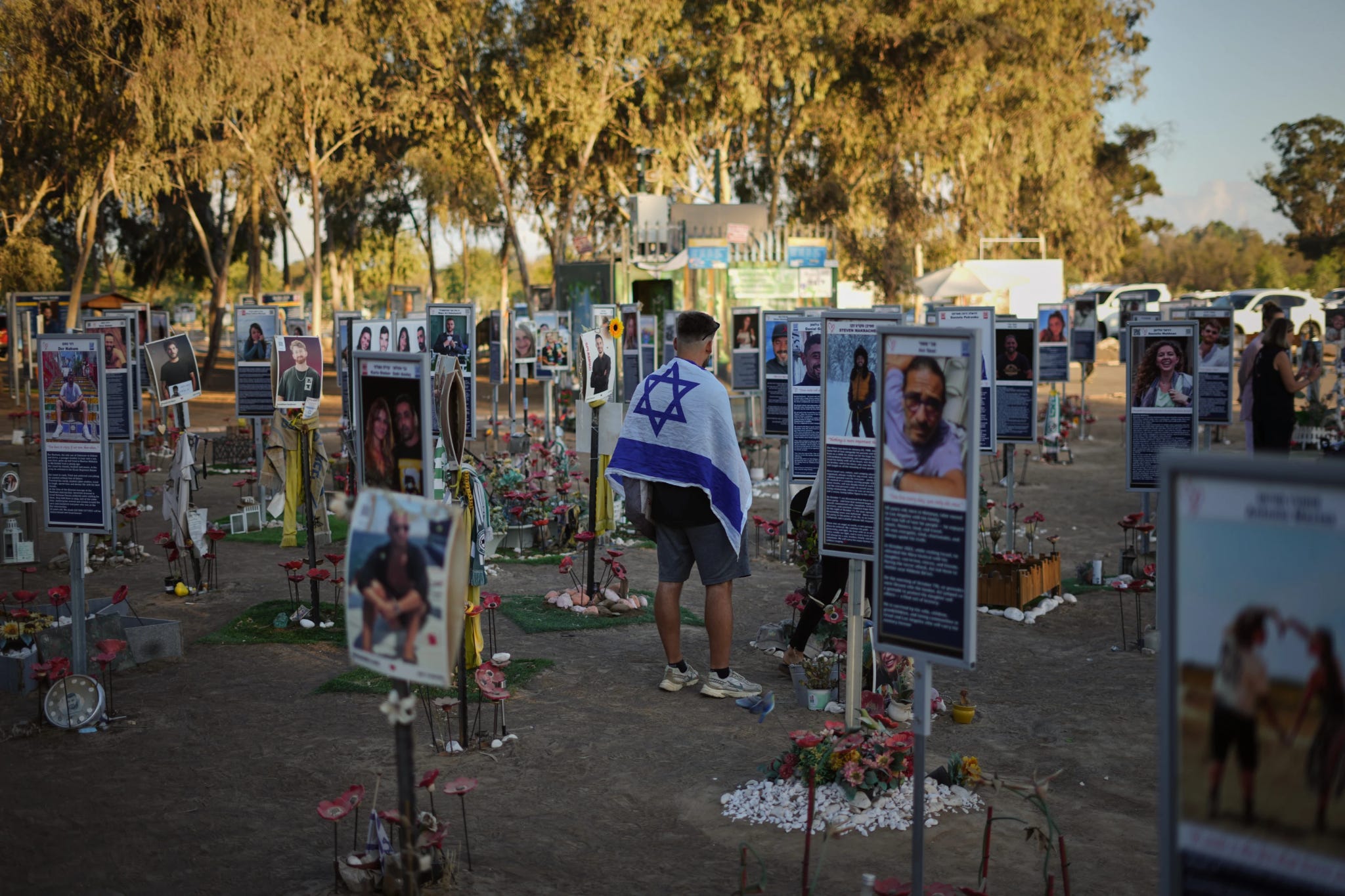
That pattern held until October 7, 2023, when Hamas’s attack on Israel triggered a broader regional confrontation. Hezbollah opened a front on Israel’s northern border almost immediately, framing it as a support operation for the Palestinians. What followed was an escalation that eventually expanded into full-scale conflict.
Israel responded differently this time. Rather than containing Hezbollah, it sought to degrade it systematically.
One of the most striking examples came in September 2024, when thousands of pagers used by Hezbollah operatives exploded across Lebanon. The devices, which Hezbollah had adopted after concluding that cellphones were being used to track its fighters, had been quietly manufactured by Israeli intelligence. Within seconds of receiving what appeared to be routine messages, the pagers detonated, killing at least a dozen people and wounding thousands more. The explosions, followed by similar attacks on walkie-talkies, demonstrated that Israel can target Hezbollah’s internal communications using sophisticated technology.
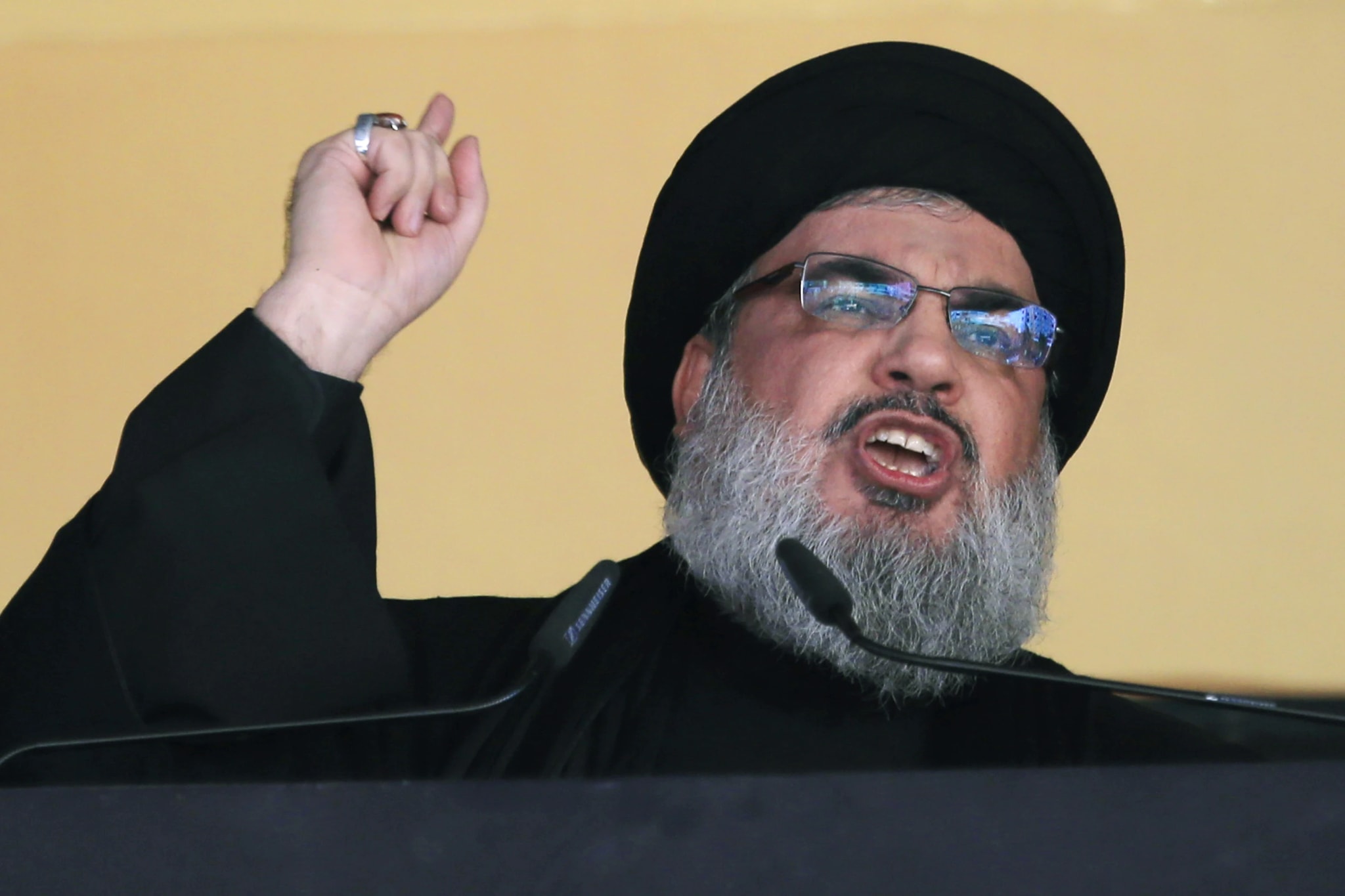
For more than 30 years, Hezbollah had been led by Hassan Nasrallah, a calculating, charismatic figure who transformed the group from an Iranian-funded militia into the most formidable non-state military force in the Middle East, one that fought Israel to a standstill in 2006 and became Tehran’s indispensable instrument of regional power. Eight days after the pager attack, he was dead — killed in a massive Israeli strike on a Beirut underground bunker where he was meeting with senior commanders and an Iranian general.
The loss of Nasrallah, combined with the systematic targeting of Hezbollah’s leadership and infrastructure, significantly degraded the group’s capabilities. But it did not eliminate it.
Hezbollah today is weaker than it was a year ago — its leadership thinned, its arsenal reduced, its vulnerabilities exposed in ways that would have been difficult to imagine even a few years ago. But it remains intact, and still deeply embedded in Lebanon’s political and social fabric.
A ceasefire without a negotiation
The ceasefire now in place between Israel and Lebanon almost unraveled before it began. Iranian officials initially appeared to believe that their own ceasefire with the US would extend to Lebanon and Israel. Israeli officials quickly made clear that it did not. For a brief moment, the discrepancy threatened to derail the larger diplomatic track, with Iran insisting on including Lebanon in the agreement. What it revealed was not simply miscommunication, but the existence of overlapping negotiations, each with different participants and assumptions about what had been agreed.
There were, in fact, discussions in Washington between Israeli and Lebanese officials — a rarity given that the two countries remain technically at war. Those conversations produced a framework for de-escalation. But the ceasefire itself was driven by President Trump, who announced it publicly before Israel’s security cabinet had fully convened.
The following day, Trump posted that Israel would “not be bombing Lebanon any longer. They are PROHIBITED from doing so by the USA. Enough is enough.”
The statement was extraordinary in both tone and implication. It showed a level of direct US pressure on Israeli military operations that is rarely confirmed so bluntly in public. At the same time, the White House clarified that Israel retained the right to self-defense, leaving considerable room for continued military activity under the ceasefire’s terms if Hezbollah launched any attacks against Israel. Netanyahu agreed to the deal but made clear that Israeli forces would remain inside Lebanon in an expanded security zone. Hezbollah, for its part, has not disarmed, and has given no indication that it intends to do so.
In northern Israel, residents living under the rockets weren’t celebrating. Maor, a 32-year-old truck driver in Nahariya whose house was hit by a rocket last year, had heard all of this before when the Lebanese armed forces were repeatedly unable to curb Hezbollah’s attacks against Israel. “We gave the Lebanese government a chance and they failed to uphold the agreement; they didn’t disarm Hezbollah,” he said. “If we don’t do it, no one will.”
A truce built on the same fault lines
This is the central problem. Every major attempt to stabilize the Israeli–Lebanese border over the past four decades has relied on agreements between Israel and the Lebanese state — and every one has been constrained by the same reality: the Lebanese government does not control Hezbollah.
In 1983, Israel and Lebanon signed an agreement that collapsed within months. In 2006, Resolution 1701 called for Hezbollah’s disarmament; it was never implemented. More recent ceasefires have followed the same pattern, producing temporary reductions in violence without altering the underlying balance of power.
Hezbollah was not part of the talks in Washington that preceded this latest ceasefire and was not part of the announcement. A Hezbollah lawmaker said the group learned of the truce through Iran’s ambassador. Its official statement was unequivocal: the presence of Israeli troops on Lebanese soil grants Lebanon and its people “the right to resist.”
This is the contradiction at the heart of the current arrangement. The agreement depends on the restraint of an actor that did not negotiate it, is not obligated by it, and has often ignored similar truces.
What has changed is the context. Hezbollah has been weakened, even if it has not been dismantled. And inside Lebanon, there are early signs — however tentative — of pressure building in a different direction.
Previous Lebanese governments have avoided confronting Hezbollah for a simple reason: disarmament is not merely a policy decision, it is a potential trigger for collapse. Any attempt to forcibly dismantle Hezbollah would almost certainly mean turning the Lebanese army against one of the country’s most powerful and deeply rooted constituencies in society, raising the risk of a return to civil war. It would also require overwhelming force far beyond the capabilities of the army.
The alternative — voluntary disarmament — is even less likely. Hezbollah defines itself as a “resistance” force, justified by the ongoing conflict with Israel and backed by Iran as part of its regional strategy. Giving up its weapons would mean abandoning both its military leverage and its political identity.
President Joseph Aoun’s government has signaled a willingness to move toward a state monopoly on arms. Whether that translates into meaningful action is an open question. It reflects a shift in tone.
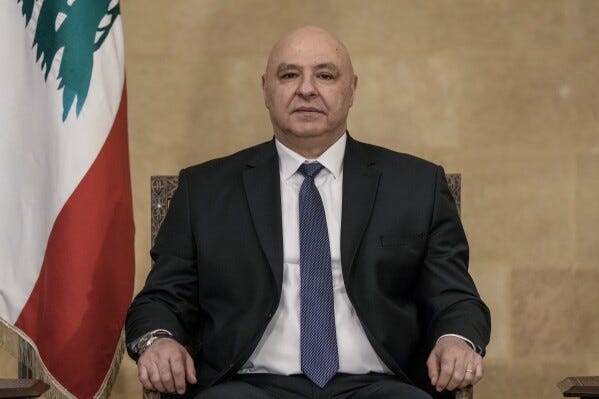
Even so, the underlying constraint remains: the Lebanese state can agree to terms, but it cannot, on its own, enforce them.
None of this means the ceasefire is meaningless. It may provide temporary relief for civilians on both sides of the border, allow displaced populations to return, and create space for further diplomacy.
But the conditions that have repeatedly driven this conflict remain in place. Israel continues to face an armed force on its northern border that it views as an existential threat, because it views Hezbollah as an arm of Iran, which has called for Israel’s destruction. Lebanon continues to host that force without the capacity to fully control it. And Hezbollah continues to operate as part of a broader Iranian strategy that extends beyond Lebanon itself.
The ceasefire temporarily contains those dynamics. It may hold for now. It may even hold longer than expected. But it only manages the conflict the same way every ceasefire between Israel and Lebanon has: buying time without deciding the outcome.
 | A guest post by
|
Thank you for this article. It provided a greater understanding of the history and context of what is actually happening and why it continues to this day. I had no idea Hezbollah was so imbedded in Lebanon. part of the government etc, they have always been portrayed more like an outside terrorist organization. Enlightened, thank you
Thank you for this article, it sheds incredible light on a very complicated history and situation.