

The Secret Service Wasn't Built for This
The impossible standard facing the Secret Service

The room was supposed to be one of the most secure in Washington.
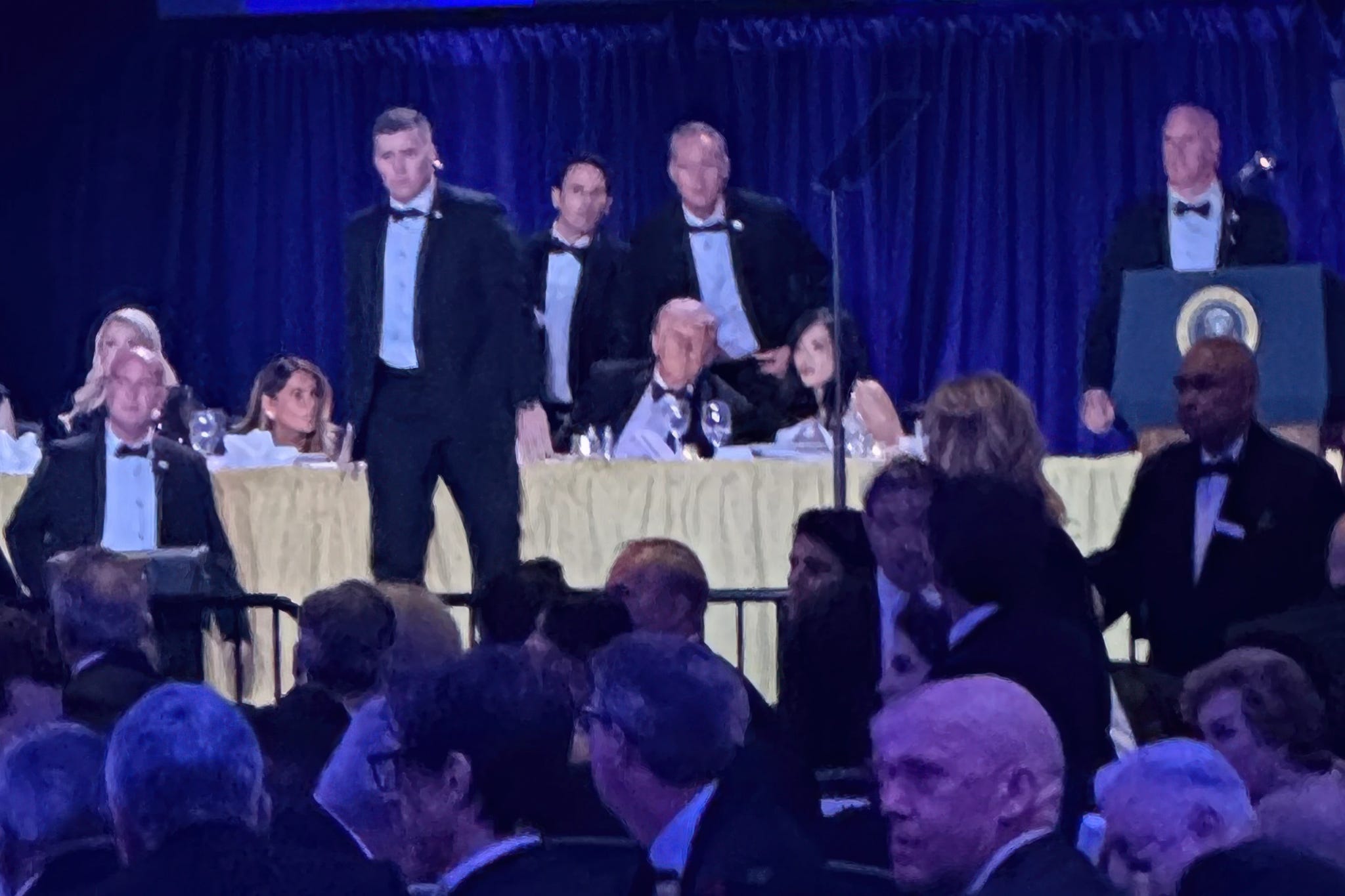
Hundreds of journalists, administration officials, and high-profile guests packed into the ballroom of the Hilton Hotel in downtown Washington, DC, for the White House Correspondents’ Dinner, a ritualized night of speeches, satire, and proximity to power.
Then came the chaos. Reports of a gunman. Confusion in the room. Secret Service agents moving quickly, pulling protectees to secure locations, locking down access points, and sweeping the area for additional threats. Within minutes, the planned choreography of the evening gave way to a debrief on yet another presidential assassination attempt.
The 2024 attempted assassination of then-candidate Trump in Butler, PA, was still fresh. There, at a campaign rally, a shooter climbed onto a nearby rooftop, remained in view long enough to draw attention, and fired toward the stage, nicking the former president’s ear, killing one attendee, and injuring two others.
Months later, a would-be assassin hid in the bushes of the Trump International Golf Club in Florida for nearly 12 hours before being spotted and shot at by a Secret Service agent. The suspect was later detained and sentenced to life in prison without the possibility of parole.
And then came the attack at the Correspondents’ Dinner, which left one federal agent shot, the suspect charged with attempted assassination, and the public wondering if the Secret Service is simply not up to the job anymore.
Taken together, these episodes have done the very thing the agency works to prevent: they’ve made the Secret Service visible in moments when it is supposed to remain unseen.The Butler attack, in particular, triggered intense scrutiny, with congressional investigators highlighting lapses in perimeter control and coordination. It also sparked a wave of speculation, including claims in some corners that the event had been staged, an indication of how assumed Secret Service protection is; so much so that when it fails, people think there must be a conspiracy at play.
For decades, the Secret Service has been easy to picture: wearing dark suits and earpieces with coiled wires, scanning the room while everyone else watches the stage. The image carries a promise of control.
Moments like these test it.
They also invite a conclusion that doesn’t quite hold. The Secret Service didn’t suddenly get worse. The environment it operates in got harder.
 | A guest post by
|