

The Pursuit of Happiness
American founders thought of happiness quite differently than we do

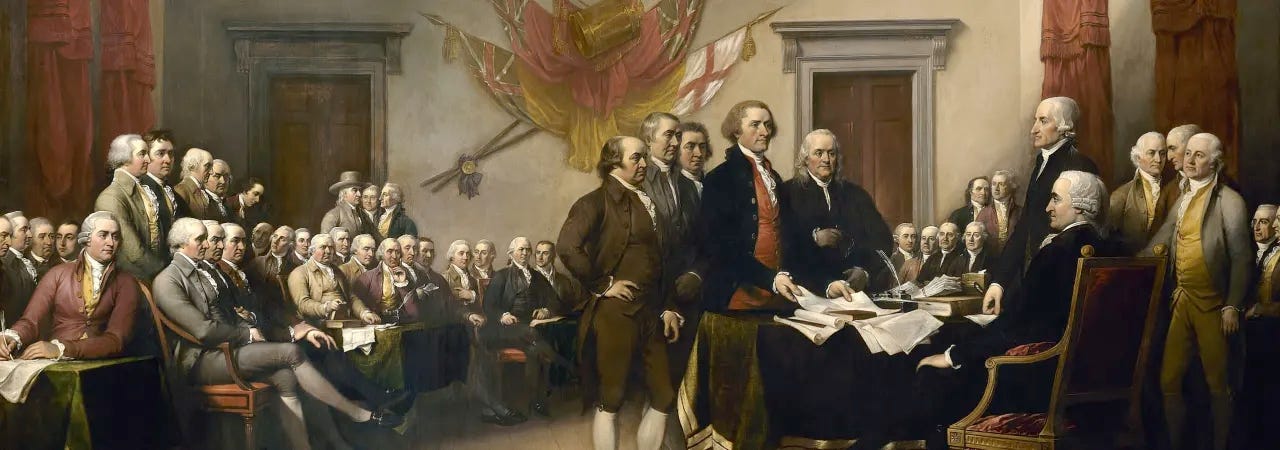
The American Founders were not just political architects; they were deeply invested in the pursuit of virtue and happiness — something they believed was essential for the survival of the young republic. We explored this belief with Jeffrey Rosen, president and CEO of the National Constitution Center, a professor of law at George Washington University, and author of The Founders’ Key: The Divine and Natural Connection Between the Declaration and the Constitution. In our conversation, which has been edited for length and clarity, Rosen discusses how the Founders’ ideals shaped their personal lives, their political ideologies, and their vision for the future of the nation. From Ben Franklin’s self-improvement experiments to Frederick Douglass’s struggle for freedom, Rosen unpacks a moral framework that remains relevant today.
We’ve all heard “life, liberty, and the pursuit of happiness.” But what did the Founders actually mean by that?
Rosen: What I learned was revelatory. For the Founders, happiness meant not feeling good but being good. Not pursuing pleasure but pursuing virtue. Specifically, it meant using your powers of reason to moderate your unreasonable passions so you could achieve calm, tranquility, and self-mastery.
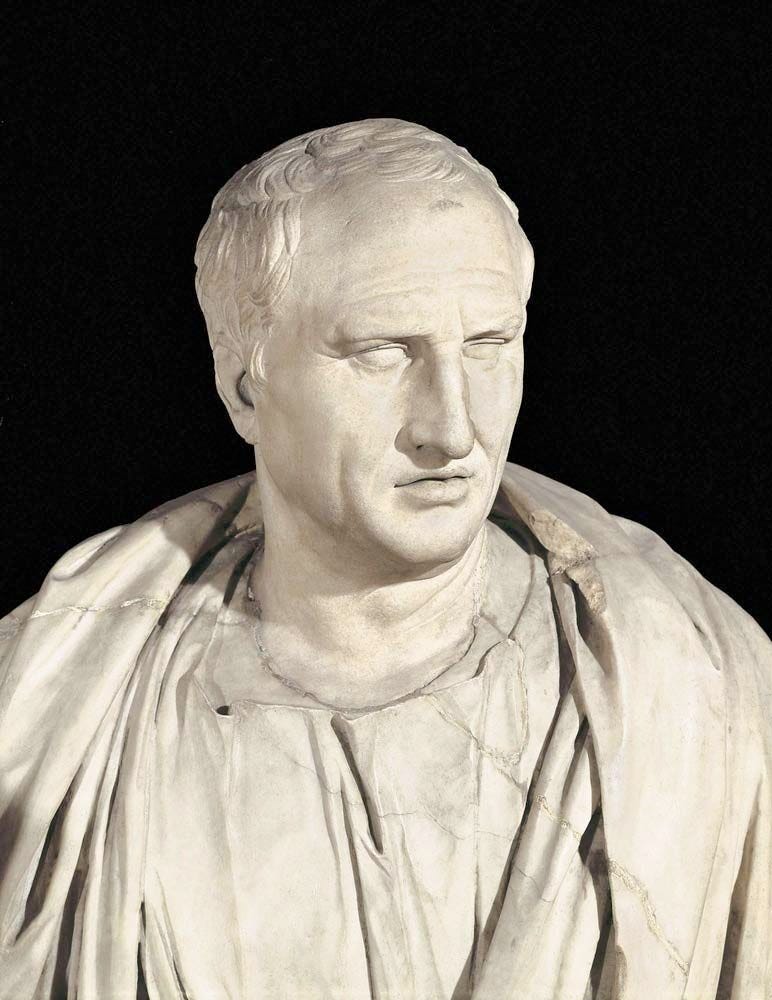
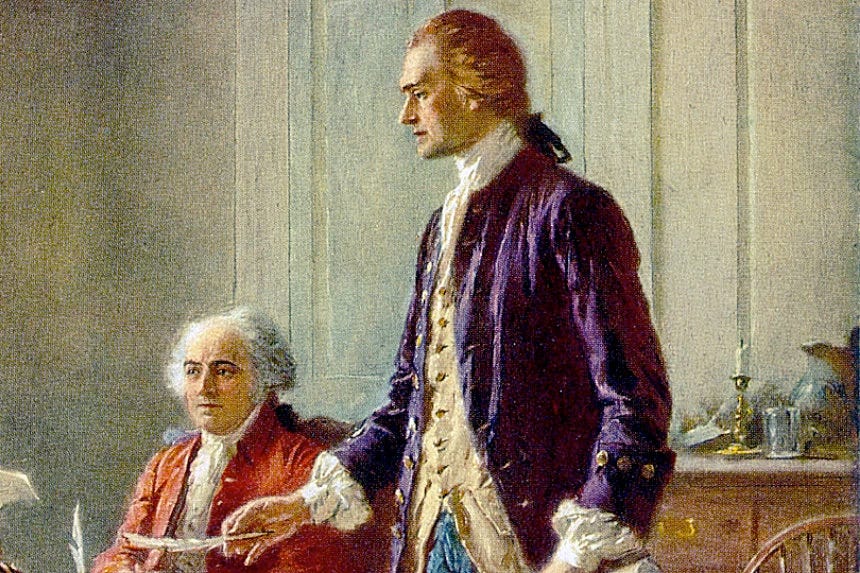
This comes from their deep reading in moral philosophy. Ben Franklin and Thomas Jefferson were obsessed with Cicero’s Tusculan Disputations, which said: without virtue, happiness cannot be. Jefferson would send this quotation to people when they asked about the secret of happiness. He had a reading list of moral philosophy — Cicero, Stoic philosophers like Epictetus and Marcus Aurelius — that he’d give to law students.
Aristotle defined happiness as “an activity of the soul in conformity with virtue.” It’s about self-mastery, self-improvement, improving your character. That understanding completely changed how I saw the Founders.
A lot of people reading this will say: why should I care what Thomas Jefferson has to say about virtue, given that he enslaved people, including Sally Hemings?
Rosen: Important question. First, this isn’t just Jefferson’s reading list — these were the core books that every educated person read, including Frederick Douglass, Louis Brandeis, and Ruth Bader Ginsburg. This was the basic moral philosophy curriculum until the mid–20th century.
As for Jefferson specifically, what I learned was significant. He recognized slavery was immoral and inconsistent with being virtuous. He said repeatedly that slavery violated the natural rights in the Declaration of Independence. Patrick Henry put it best. He said, in effect, Is it not amazing that I, who believe slavery violates natural rights, enslave people? I will not justify it. It is simple avarice — greed. I cannot deal with the inconvenience of living without enslavement.
They were candid about their hypocrisy. The greatest vices in classical philosophy were ambition and avarice, and they understood slavery couldn’t be reconciled with virtue. This doesn’t excuse Jefferson — it actually makes his hypocrisy more stark. He kept saying slavery must end at some point in the distant future, but it was never soon enough.
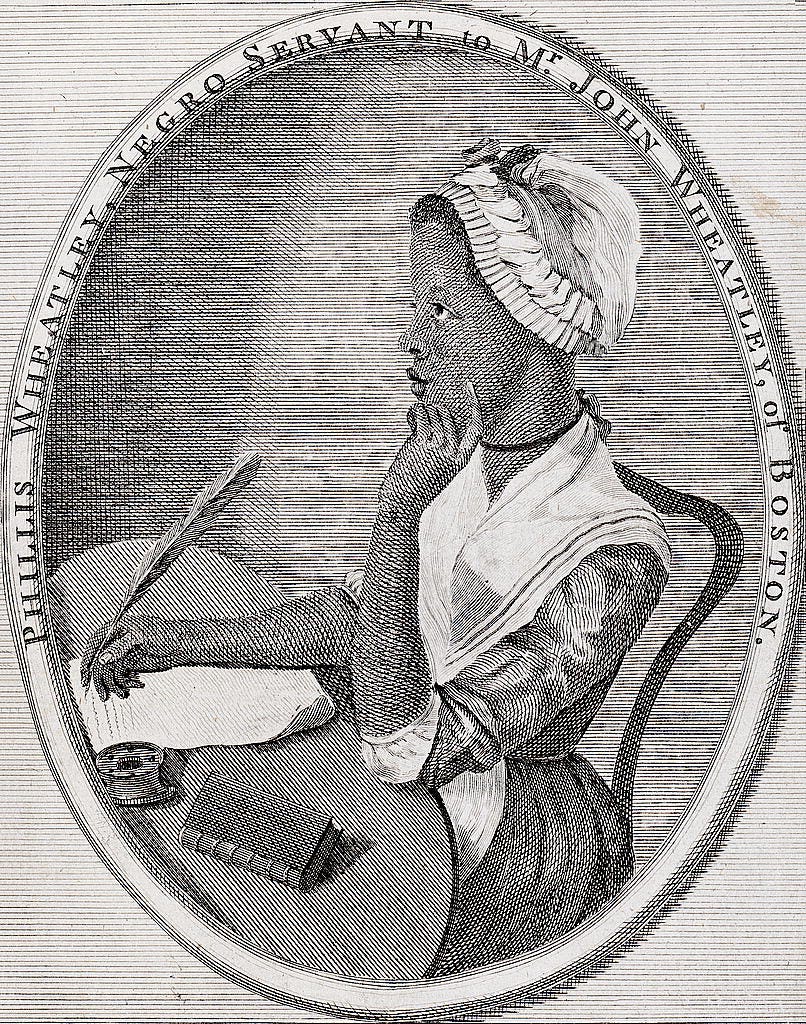
Importantly, Phillis Wheatley — the first formerly enslaved Black woman poet in America — read these same books and wrote poems about virtue and self-mastery. This moral philosophy inspired many Black people, enslaved and free, to fight for freedom.
What even is moral philosophy? Are we talking about cleanliness being next to godliness?
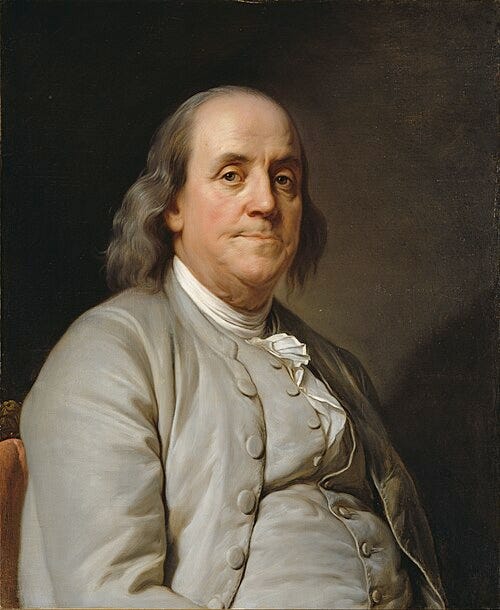
Rosen: It’s both profound and practical. Franklin did reduce virtues to aphorisms people could practice — for instance, “Never put off till tomorrow what you can do today.” Today, we might call it emotional intelligence or striving to be our best selves.
At its core, moral philosophy is about the tension between reason and passion. The Founders believed we should use reason to moderate our emotions — not to eliminate them, but to make them productive. And they struggled with this, just like we do. Franklin, Adams, Jefferson — they kept track of their virtues and felt disappointed when they fell short.
Some might say this sounds like a privileged perspective — that only certain people have the luxury to pursue virtue and study philosophy.
Rosen: Frederick Douglass didn’t see it that way. Learning was his path to freedom. When his master stopped his reading lessons, Douglass felt deprived of the only way out of enslavement. He persisted, teaching himself to read and even paying boys in Baltimore to help him learn. The Columbian Orator became the book that changed his life. Filled with speeches denouncing injustice and examples of people fighting for liberty, it inspired him to become the most powerful voice against slavery in his time.
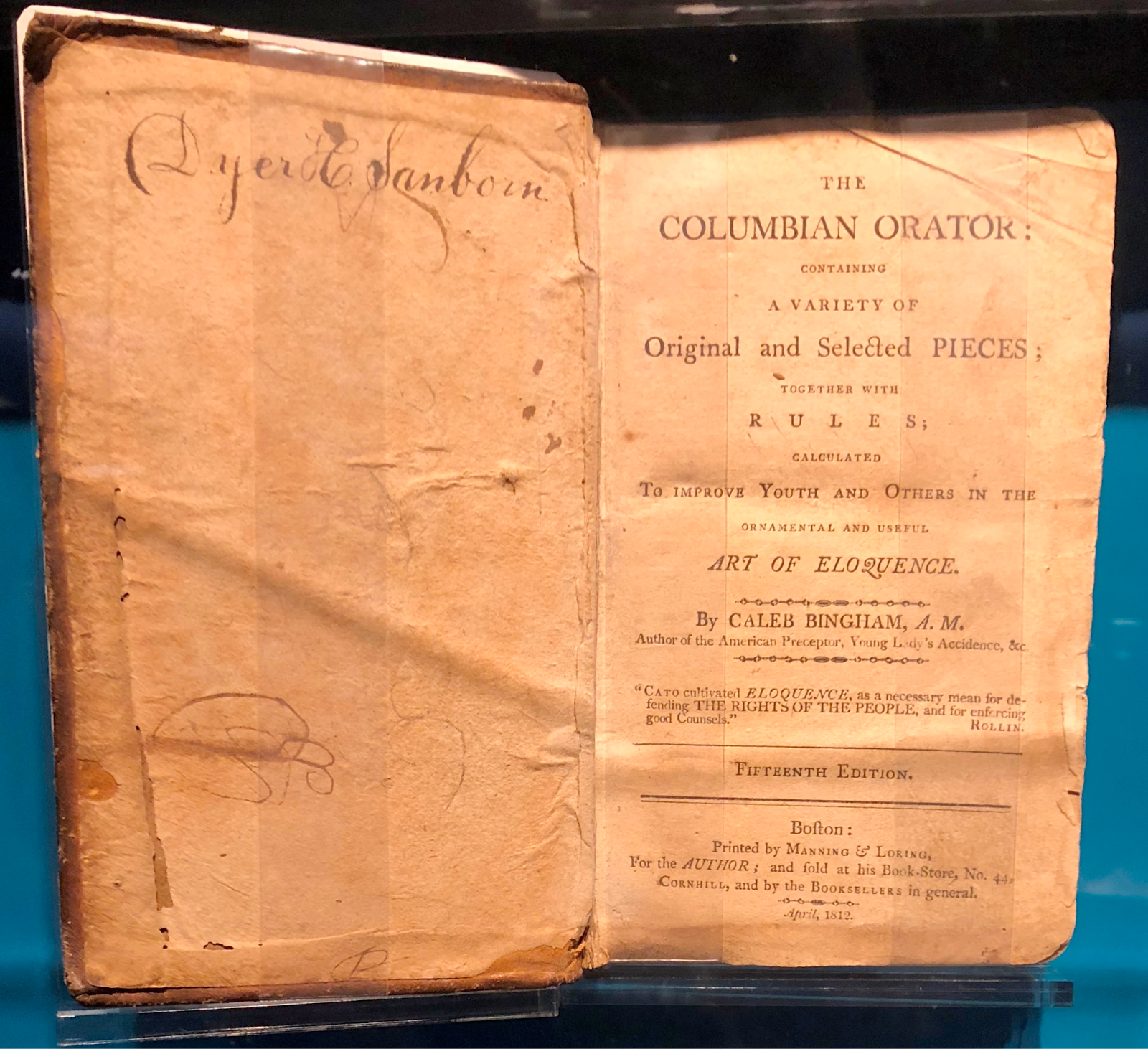
This pursuit of virtue wasn’t about aesthetic enjoyment or withdrawal from the world. Justice was an urgent virtue.
You said studying moral philosophy helped you understand the Founders differently. How?
Rosen: I was surprised by how much they reflected on their own actions and choices — not just out of anxiety, but as a constant exercise in moral reasoning. They were grappling with deep moral questions about how to live, how to act virtuously, and how to fulfill their duties to themselves and to society. Even when they worried about wasting their lives, it wasn’t just personal angst — it was them applying the principles of virtue and self-mastery they had studied.
Take John Quincy Adams. In his diary at 25, he writes something like, I’m wasting my life. I haven’t achieved anything.
On the surface, it sounds like self-doubt, but in context, it’s him grappling with the moral question of how one ought to live. He had already turned down a Supreme Court appointment and served as ambassador to Russia, yet he was assessing whether his life reflected reason, virtue, and public service — central concerns of moral philosophy.
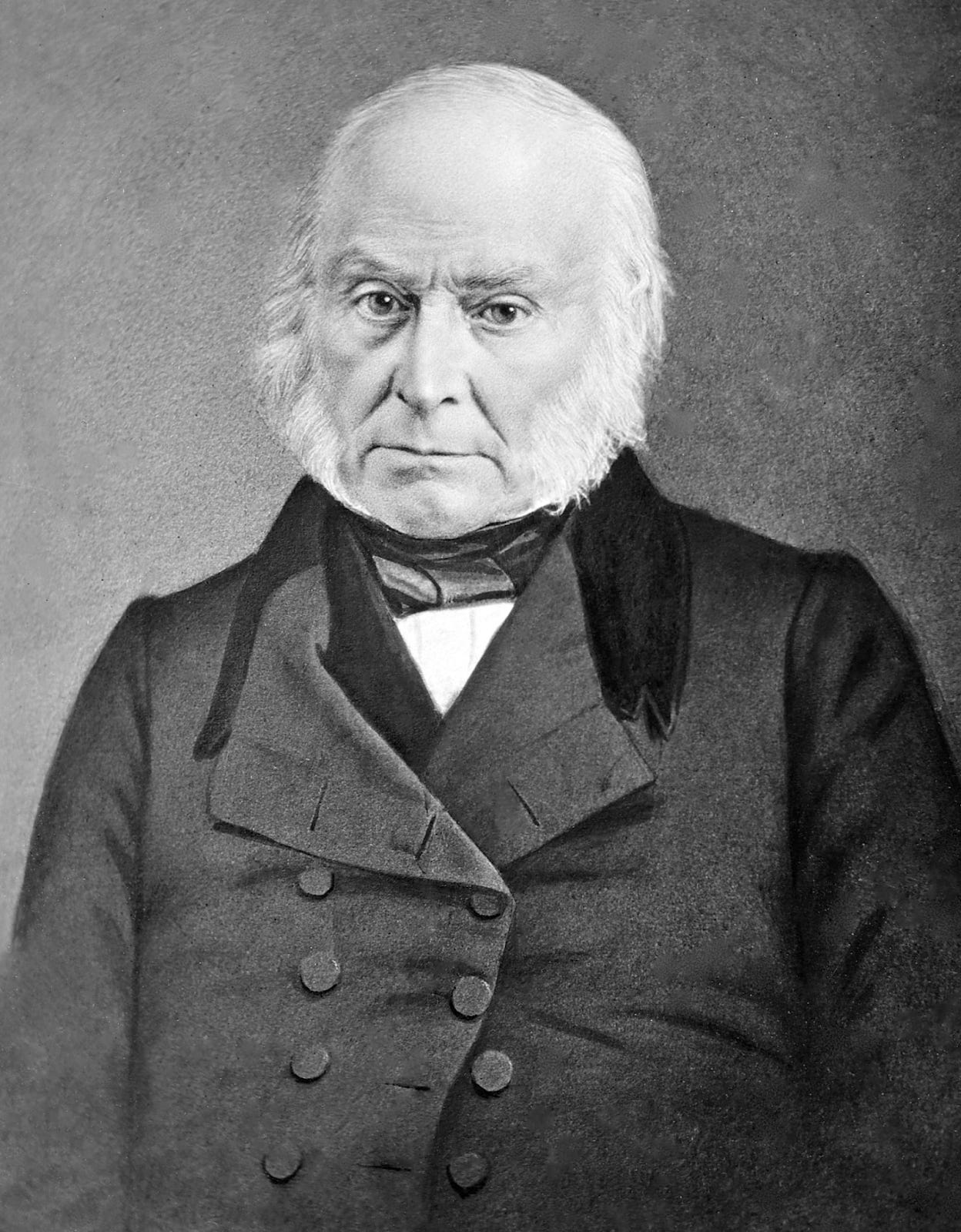
He applied this thinking in how he guided his family, insisting his sons study the classics and the Bible because he believed moral education was essential to cultivating virtue. Tragically, the pressure he placed on them led to great struggles, particularly for his eldest son, who became an alcoholic and eventually took his own life, devastating the family. This tragedy underscores the Founders’ emphasis on character and moral development — not just for personal growth, but for the well-being of the community and future generations.
Later, Adams’s commitment to fighting slavery demonstrates moral philosophy in action: he recognized injustice, reasoned about his duties, and pursued what was right despite personal cost. And at the end of his life, as he gave a speech denouncing slavery and the Mexican War, he collapsed on the House floor. Murmuring, “I am composed,” he embodied Cicero’s principle of self-mastery and tranquility — a life lived consciously according to reason and virtue.
One virtue they often embodied, especially later in life, was industry. Even in their eighties, Adams and Jefferson were continuing to engage with the world intellectually, exchanging letters about books, exploring comparative religion, and discussing translations of the Bhagavad Gita. It’s a reminder to me: when I feel tempted by distractions, I think about them and return to work. Read deeply. Write productively. That’s one of the key lessons I take from this inspiring moral philosophy.
How does understanding moral philosophy change how we read the Constitution and The Federalist Papers?
Rosen: Understanding moral philosophy also illuminated their political philosophy. I reread The Federalist Papers with new eyes — it’s a manual of “public happiness.” Hamilton and Madison use that phrase constantly.
When they talked about a balanced constitution achieving harmony and avoiding factions — which they defined as any group animated by passion rather than reason — they’re trying to avoid in the Constitution the same turbulence we want to avoid in our own minds.
The basic idea: to save the republic, we’ve got to be good citizens. We’ve got to be good people. We have to choose representatives and presidents who will themselves be virtuous and protect liberty rather than exalt their own ego-based, selfish desires above the public interest.
If the Founders could see us now, what would shock them?
Rosen: Facebook and social media are James Madison’s nightmare. His whole system is based on “the cool voice of reason” slowly spreading and promoting deliberation. He had great faith in newspapers — he thought enlightened journalists would write long essays like The Federalist Papers, people would discuss them in coffee houses, and cool reason would prevail.
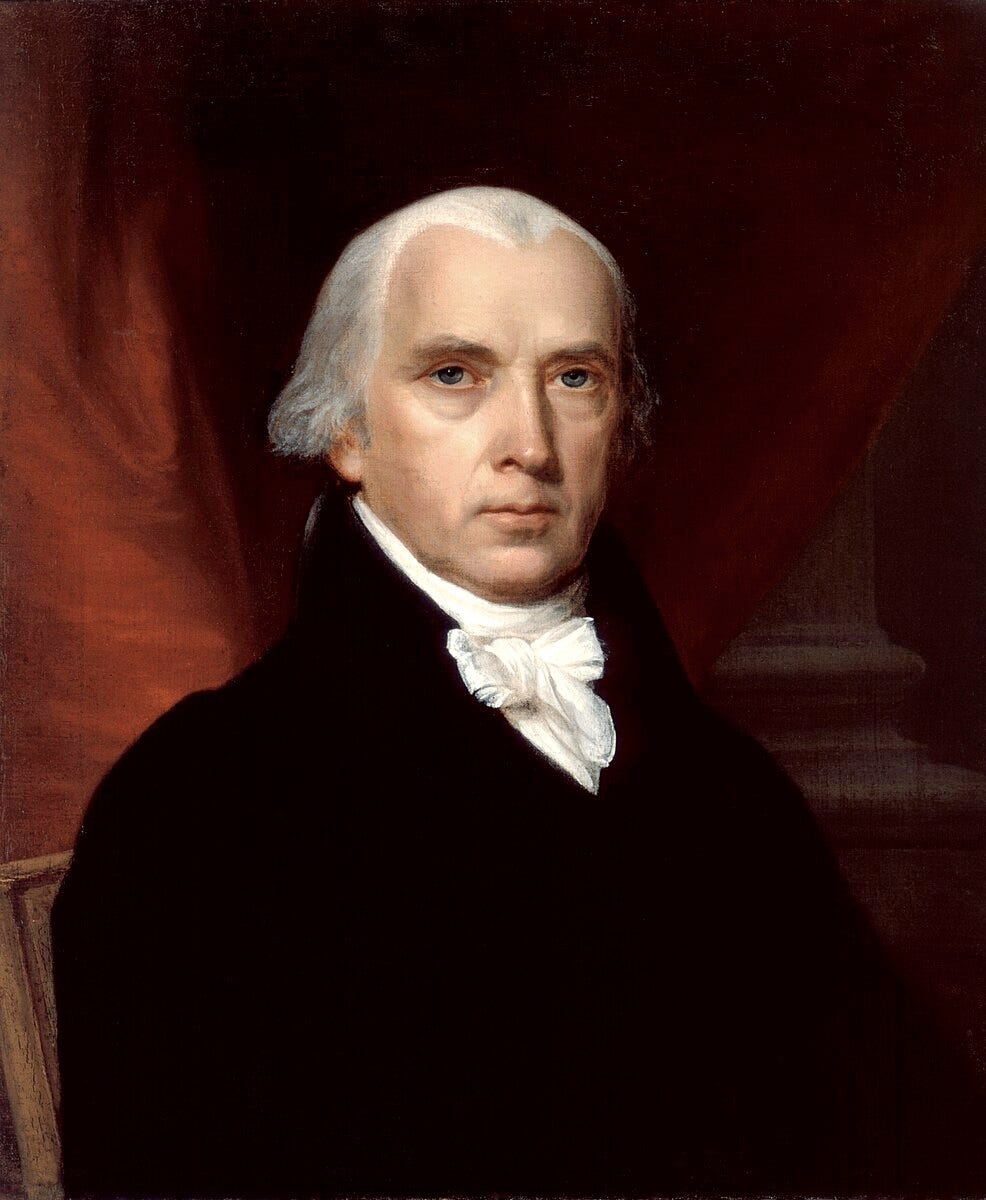
A world where “enraged to engage” is the business model? Where passion travels farther and faster than reason? That’s the opposite of The Federalist Papers.
What do you think the Founders would say about our current democracy?
Rosen: The Founders were centrally concerned about demagogues — figures who whip up populist passions to serve their own interests rather than the law and Constitution. Caesar was the classic example: he flattered the Roman people, they gave up liberty for bread and circuses, and he installed himself as dictator for life.
Hamilton feared ”a Caesar who will flatter the people and reap the whirlwind.” Jefferson feared a demagogue who would “lose an election by a few votes, cry foul” — those are Jefferson’s exact words — “enlist the states who voted for him to overturn the election, and install himself as dictator for life.”
Our current concerns are ones they thought about specifically. Most of them were pessimistic at the end of their lives. Jefferson, Washington, Adams, and Hamilton feared the people wouldn’t have enough virtue to resist demagogues. Only Madison was somewhat hopeful that reason would eventually prevail, though he wasn’t confident.
Are you optimistic about our democracy?
Rosen: I can’t be optimistic that we’ll easily escape our current situation. History can turn on a few votes. We might face challenges we haven’t seen before in American history.
But regardless of how things turn out politically, I am optimistic about the capacity each of us has to be inspired to do better — to read, to learn, to grow, to pursue happiness as the Founders imagined it. And hopefully, over time, it will prevail at the government level as well.
When the SC issued their presidential immunity decision I remember telling my husband, this means we have to elect people of virtue, people with good character. If we do otherwise, we’re screwed. No one is perfect, not me, not founders, not anyone, but character is caring about and working on being more perfect tomorrow than we are today. Can we go back to character matters?
Lots to chew on here! Thanks Ed and Jeffrey. I hadn’t yet read a piece that honestly grappled with the founders’ hypocrisy while engaging with their philosophy in good faith. It makes me wonder what we can take from this to our interaction with politics today.
Several times in the last year I’ve sat down to brunch with friends who were adamantly against Trump in his first term but now find protest or action in term two as harmful to their mental health, while counterproductive to defend a country that elected him a second time. Term one could be written off as a fluke, but term two proved to them they were living in a country that wasn’t worth saving. So even my most vague mention of how things could be better is met with apprehension: “Hey, when I signed up for brunch I was thinking pancakes and mimosas, not some intrusive reminder that I have a moral duty to be the change I want to see.”
I was struck by the mention that these figures who studied Cicero included RBG and that this education was common through the mid-20th century. What changed? Is that also when we came to define the pursuit of happiness not as a call to participate in politics in good faith, but as buying bigger and more expensive toys for our kids at Christmas? More “The Man in the Gray Flannel Suit” than “Mr. Smith Goes to Washington”? Is this why we aren’t getting great protest songs anymore?
Can this change? Can we translate Cicero to TikTok? If the founders understood happiness as “being good” rather than “feeling good,” that implies ongoing participation in civic life, not just showing up with a ballot every four years when the stakes feel existential. Can the upcoming midterms be more than us standing still and waiting for others’ buyer’s remorse to barely eke out a housecleaning? I’d rather have a landslide cross-partisan movement toward standing for something. Can we reform our government so that we aren’t just trading jerseys, but changing the rules so that authoritarianism can’t as easily take hold again? And then we can go back to the guilt of brunch being in the calories instead of the act of pretending that everything is normal.
We’ve got less than a year until what we’ll be told is the most consequential midterm election of a lifetime. It would make me so happy, in both meanings of the word, if we could rebuild America into the great nation we already always assumed it was. But I need help. And I want to be clear: protecting your mental health isn’t selfish. But maybe the answer isn’t tuning out entirely. Maybe it can be beneficial to your mental health (relative to the nihilistic default) to pick one reform within your grasp, start locally, and coordinate with others so that combined action can see results without burning anyone out.
Anyone else put “coordinated action toward big structural change” in their new year’s resolutions? Because I need an accountability buddy. 🙂