

The Promise Journalists Can’t Always Keep
Reporters rely on confidential sources but can’t always protect them

When the FBI wanted Earl Caldwell, a New York Times reporter, to share what he knew about the San Francisco chapter of the Black Panther Party, agents didn’t start with a subpoena. Soon after he began publishing on the group and its weapons in late 1969, two of the agents turned up where he worked and asked to speak with him. Could he tell them more about the guns?
He refused, but they didn’t stop coming. Caldwell had been assigned to the Panthers for more than a year, covering their outreach work and their message about Black self-determination. He also covered more volatile ground: the party’s insistence that Black Americans arm themselves for self-defense, and its confrontations with law enforcement. The more he reported, the more the bureau asked to meet. The Panthers were dangerous, agents insisted, and law enforcement had a legitimate need for the information he had.
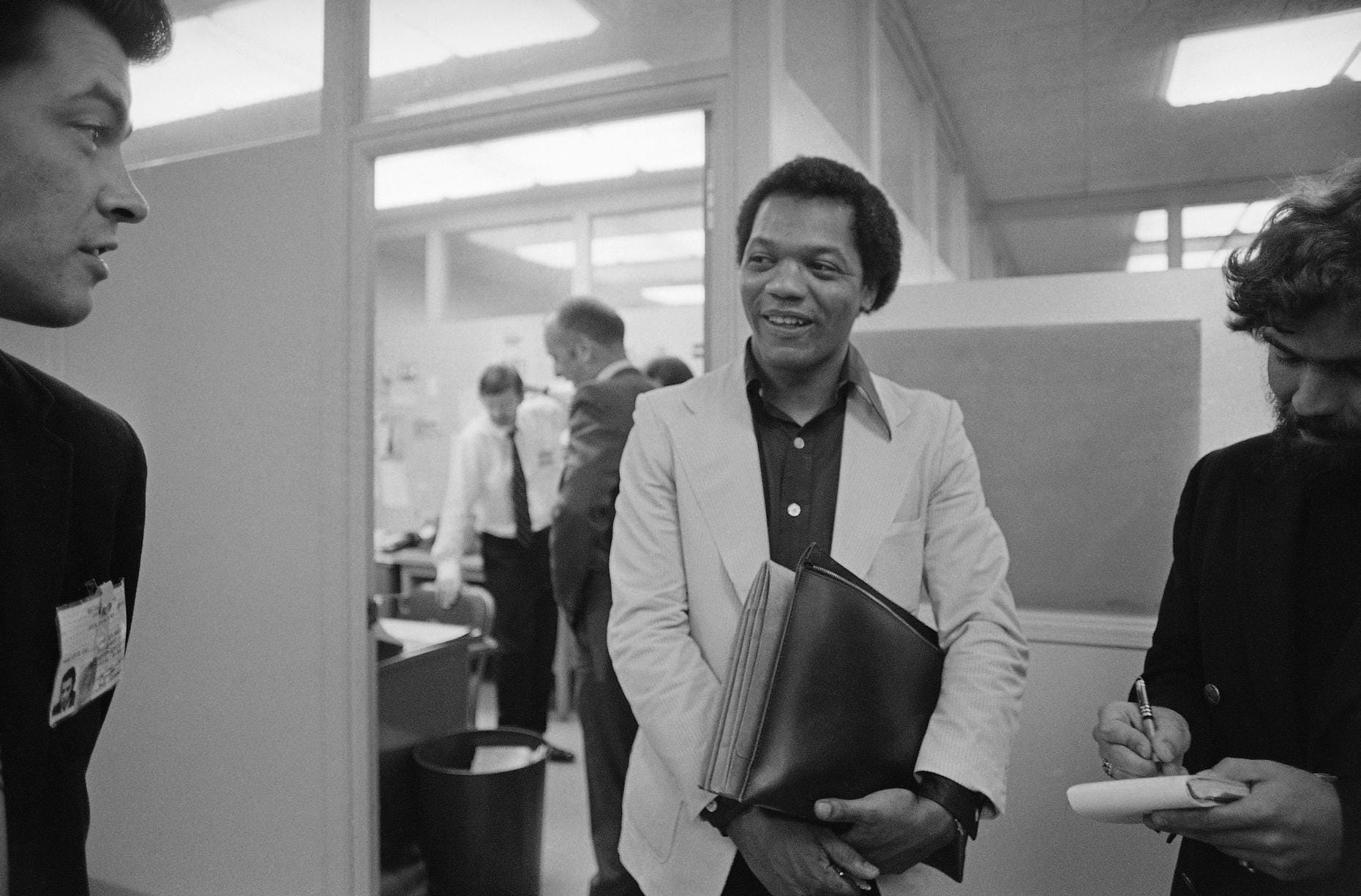
In early 1970, the asking stopped. Caldwell was served with a subpoena ordering him to testify before a federal grand jury and was told to to bring his notes and tape recordings. His testimony would have required him to describe everything he’d seen, and that risked exposing the confidential sources whose trust he’d spent so much time earning.
When the day came to testify, Caldwell refused to appear. A federal judge held him in contempt. But the US Court of Appeals for the Ninth Circuit sided with him, ruling that the First Amendment gave reporters a qualified privilege to refuse. The government appealed, and the Supreme Court consolidated it with the appeals of two other journalists who’d also defied grand jury subpoenas to protect confidential sources in their stories.
The resulting decision, Branzburg v. Hayes, required the Court to balance the same competing interests that still confront journalists and the legal system today: for particularly sensitive reporting, offering sources anonymity can be the only way to get the story. But what happens when that reporting also turns up critical evidence a court wants –– to protect public safety, to solve a crime, or to prove a civil claim like defamation? When — if ever — does a journalist’s need to report freely outweigh the legal system’s need for the information they have?
The importance of confidential sources
Some of the most consequential news stories in American history have depended on sources that were — at least initially — confidential. If reporters hadn’t been able to promise anonymity and keep that promise, President Richard Nixon’s role in the Watergate cover-up might never have come to light, and in 2007 Americans would never have known about the squalid conditions and neglect of wounded veterans at Walter Reed Army Medical Center. Anonymity lets sources speak freely and blow the whistle on serious misconduct without fearing retaliation.
Not all anonymous sources are leaking details about government cover-ups — some, like those in Caldwell’s reporting on the Panthers, are instead offering a window into a community that might otherwise go unheard and unseen. There, anonymity protects unpopular people from being investigated for what they think.
But none of that gives journalists a blanket right to refuse. What the law offers is a patchwork of protection — and at the federal level, very little of it.
No First Amendment privilege for journalists
In Branzburg, the Supreme Court ruled against the reporters. Apart from Caldwell, there was Paul Branzburg of The Courier-Journal in Louisville, who drew a Kentucky grand jury’s attention after describing two young men synthesizing hashish from marijuana; and Paul Pappas, a television newsman in New Bedford, Massachusetts, who spent hours inside a Black Panther office waiting for a police raid that never came — and who never wrote a story about it. Together, they argued that the First Amendment protected them from testifying because a reporter who cannot protect sources cannot gather news — which would hollow out the freedom of the press the Constitution guarantees.
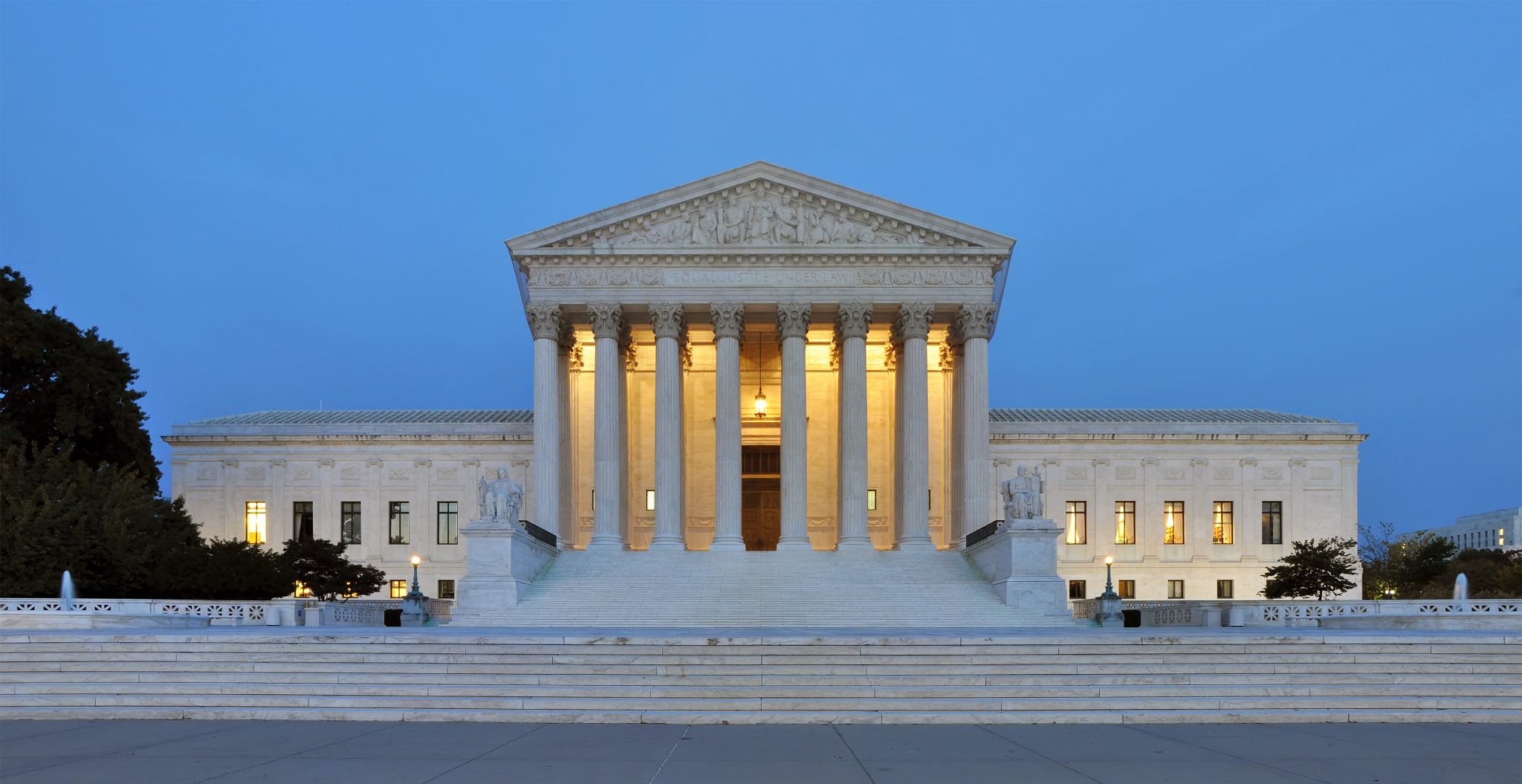
By 5 to 4, the Court decided that the need for information to investigate and prosecute crimes outweighed the need to protect sources’ identities. Because grand jury proceedings are secret, the likelihood of sources being exposed was low, the majority reasoned. In federal court, then, journalists have no special privilege that lets them refuse to testify before a grand jury, even when testifying means burning a source.
That is not quite the end of it. Justice Lewis Powell Jr. supplied the fifth vote for the majority, but wrote separately to say that a reporter with a legitimate objection could ask a court to quash a subpoena, and that the balance should be struck case by case. The result is a strange arrangement. The Supreme Court held that reporters have no privilege, except sometimes they do, one that has been assembled by lower courts and weighed on an individual basis. Often, reporters lose.