

The Lie We Tell Ourselves About Happiness
Why even the good things don’t feel good enough — and how struggle, not comfort, gives life its shape.

If you ask me what I fantasize about most on any given weekend, it’s lying down. I don’t need to nap. I don’t even need to be comfortable. With an extremely active two-year-old, lying down on the driveway sounds great. There’s a meme about this: “Nobody told me how much of parenting is standing up right after you sit down.” I think a lot about how glorious it would be to just stay seated.
Then I remember when I was on bed rest while pregnant. Nobody needed me; I had nothing to do. A dream! But I was bored out of my mind and crawling out of my skin. Getting what you want rarely feels as good as you expect.

I see this in my office all the time. Last week, a client cried after getting the promotion she worked so hard for.
“I have everything I ever wanted. The job, the fiancé, the great apartment. Why don’t I feel happy? Why isn’t it enough?”
“Because nothing ever is,” I told her.
She had discovered a cruel truth: arrival is a mirage. You spend years getting to the destination and then you find it’s just a place. It’s Tuesday and you still must do laundry. The new car you fantasized about becomes just your car. Or you don’t even feel like it’s yours — you’re anxious you’ll lose what you have. The other shoe is going to drop at any moment, and you need to fight like hell to keep everything you worked for.
This is the problem with getting what you want. I’m fantasizing about being horizontal on concrete, but that seems like paradise only because I can’t have it. Without the contrast, I’m just... lying down.
Psychologists call this the happiness paradox. The people who care most about being happy report lower well-being and more symptoms of depression. Most cruelly, we are hit hardest by disappointment precisely when everything is going right and we think we “should” be happy. When you’re watching the perfect sunset on your honeymoon and still feel empty inside, you can’t blame your circumstances anymore. So you blame yourself. Or you search for the next thing.
The problem isn’t you, or the thing — it’s expecting it to be enough. So many of us are chasing happiness, but what we actually want is meaning. They’re not the same. Happiness is present-focused. It’s about feeling good right now. But happiness, like an emotion, is fleeting. Meaning integrates past, present, and future. It’s about whether something matters.
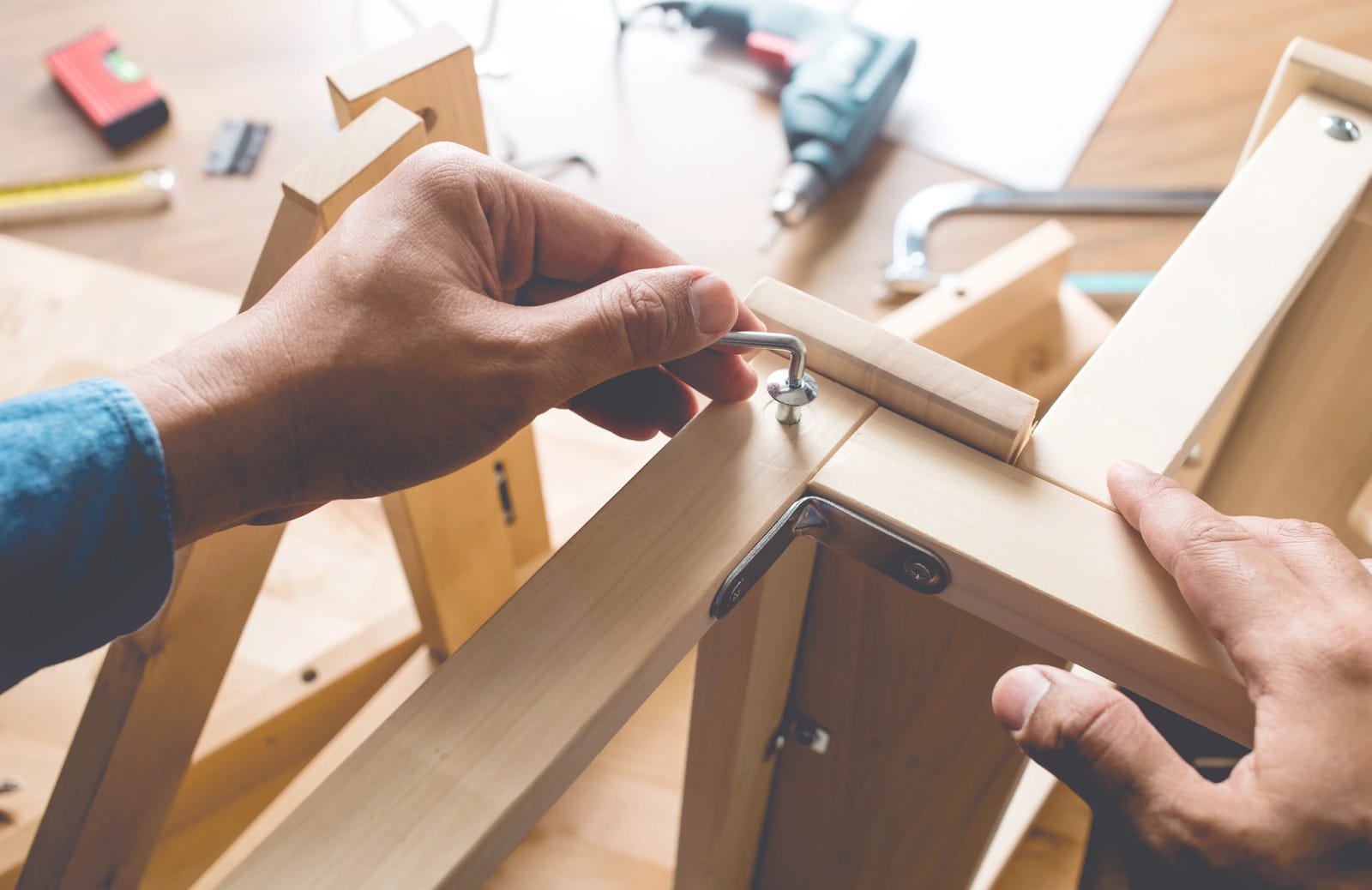
Researchers call it the IKEA effect. When people assemble furniture themselves — even badly, even with frustration, even when they could have bought it pre-made — they value it more. Not because they enjoyed the process. Anyone who’s thrown an Allen key across the room knows that assembling cheap furniture isn’t fun. But the struggle itself creates attachment and perceived value.
This is why parents report more meaning than non-parents but less happiness. Why writers hate the process of writing but love having written. It’s why my client cried after her promotion. She got what she wanted, but getting isn’t what makes a life feel like it matters.
We keep trying to engineer friction out of our lives. But friction is what creates meaning in the first place. The hard parts aren’t obstacles to a good life — they’re what make the good parts register at all.
A meaningful life isn’t built by feeling good all the time. It’s built by dropping off food for a sick friend, cooking for yourself when you don’t feel like it, or staying with something long enough to see it through. Most of these things don’t make you happy in the moment. They are uncomfortable, inconvenient, and even annoying. But that’s the point. Meaning is built in the moments when you push through resistance and get connected to something outside yourself.
You don’t need kids, tons of friends, or some grand passion to have meaning. Most of what makes life meaningful is ordinary. It doesn’t have to look impressive to anyone else; it just has to matter to you. And it matters, in part, because it won’t last.

Someday I will desperately yearn for this period of my life. I’ll miss the chaos, the questions, the never sitting down. I’ll want my daughter small again and she won’t be. Some future version of me would give anything for one more afternoon of up and down, up and down.
Knowing this doesn’t make my exhaustion easier. But it does help me stay in it. The tiredness is proof that I’m in the middle of something that matters. And I don’t want to waste it wishing I could lie down.
 | A guest post by
|
Absolutely loved this piece. What a timely reminder for the holiday season.
A very thoughtful reminder, thank you!