


On February 5, Joe Gebbia stood inside the White House and demonstrated a federal website that appeared easy to use. For millions of Americans, that alone qualified as a minor miracle.
Gebbia, the Airbnb co-founder serving as the nation’s first chief design officer, typed a drug name into TrumpRx.gov. The search bar filled it in. A clean page displayed the medication and the available discount. “It’s that simple,” he said during the rollout.
This was the promise behind the National Design Studio, the temporary White House office President Trump created last August to make federal services more “usable and beautiful.” Anyone who has spent 25 minutes searching a federal website for a form that turns out to be a scanned PDF from 2007 can appreciate the assignment.
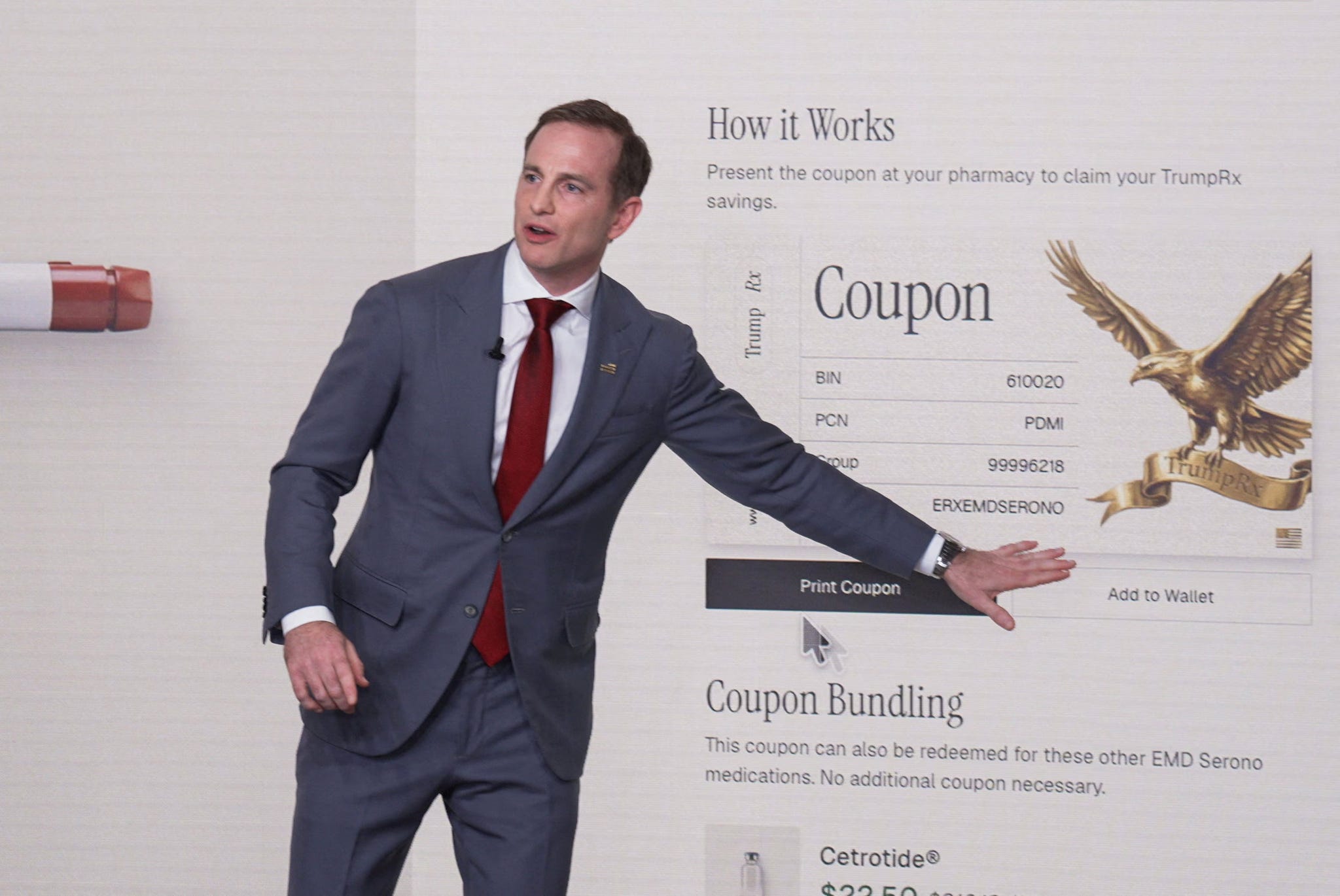
Led by Gebbia and staffed largely by veterans of Elon Musk’s Department of Government Efficiency, the studio was supposed to bring private sector talent, speed, and design sense to a federal government that could use more of all of them.
Then came the fine print that users never saw.
A Guardian investigation published this week found that four websites operated by the studio had run commercial tracking software capable of following visitors’ behavior in extraordinary detail. The tool, called PostHog, offers a “session replay” feature that can reproduce clicks, scrolling, and keystrokes; in effect, it creates a record of everything you do online. Its code was installed on all four sites and enabled on two, while activating it on the others required only changing a dashboard setting.
Many people rely on ad blockers to keep them from being tracked. But the sites also reportedly routed tracking requests through their own government addresses, a technique that makes the requests look like ordinary website traffic so that they’re less likely to be stopped by ad blockers. One studio site ran a separate, custom-built monitor that assigned visitors identifiers and sent information to an address hidden from the public internet.
The tracking software disappeared after the Guardian sent questions to the White House. A spokesperson said studio personnel comply with all legal requirements. There is no public evidence that the information was used to identify, investigate, contact, or otherwise surveil any specific visitor, and we do not know exactly what was collected, whether it was retained, or who may still have it.
