

The Daily Brief - Apr. 21, 2026
The latest on the US-Iran peace talks, Rep. Sheila Cherfilus-McCormick and Labor Secretary Chavez-DeRemer resigning, and more

These are today’s top stories, delivered straight to your inbox. Catch up here on all the news.
US-Iran Talks in Doubt Ahead of Ceasefire Deadline
President Trump said today he is extending the ceasefire with Iran until Tehran has submitted a proposal to end the conflict permanently. The ceasefire had been set to expire tomorrow. Trump also said the US would not attack Iran, upon Pakistan’s request, until the talks conclude one way or another. Meanwhile, the second round of peace talks scheduled for tomorrow in Islamabad remains in doubt.
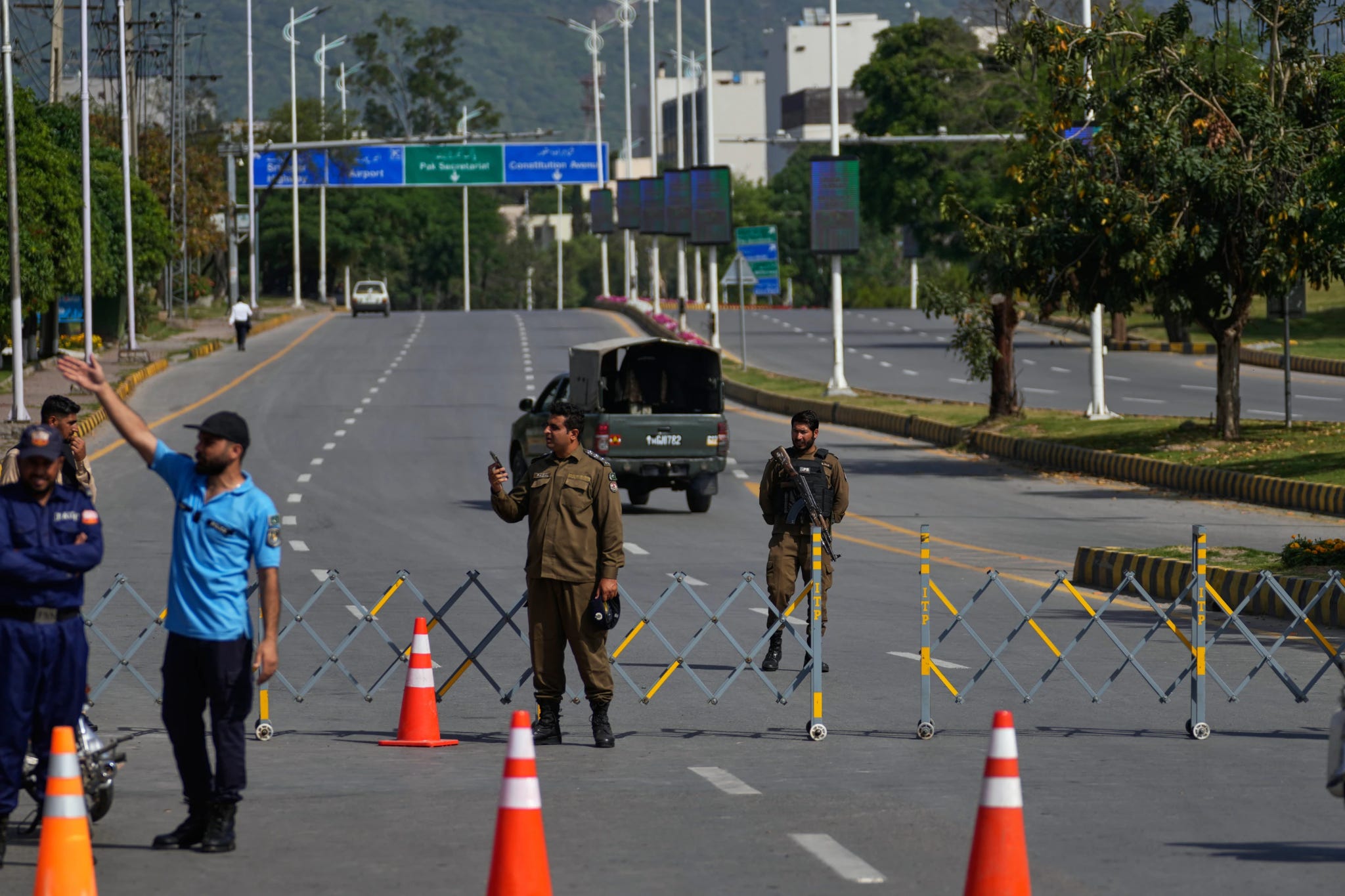
Iran has not confirmed it will send a delegation. Pakistan, which is hosting and mediating the talks, said earlier today that it was still awaiting a “formal response from the Iranian side.” Vice President JD Vance, who led the US delegation at the first round, was expected to depart Washington this morning but instead remained in the capital for meetings, US officials said.
Earlier today, US forces boarded an Iranian oil tanker, which Iran’s Foreign Minister Abbas Araghchi said was an “act of war.” Iran has also cited seizure of a ship on Sunday and the ongoing US naval blockade of the Strait of Hormuz as breaches of the truce and of international law.
The sticking points in US-Iran negotiations remain unchanged from the first round of talks, which ended without a deal on April 12: Iran’s nuclear program, its frozen assets in European banks, and US and EU sanctions.
Rep. Sheila Cherfilus-McCormick Resigns
Rep. Sheila Cherfilus-McCormick resigned from the House of Representatives today, effective immediately, minutes before the House Ethics Committee was set to recommend disciplinary action against her — a punishment lawmakers from both parties expected would include expulsion.
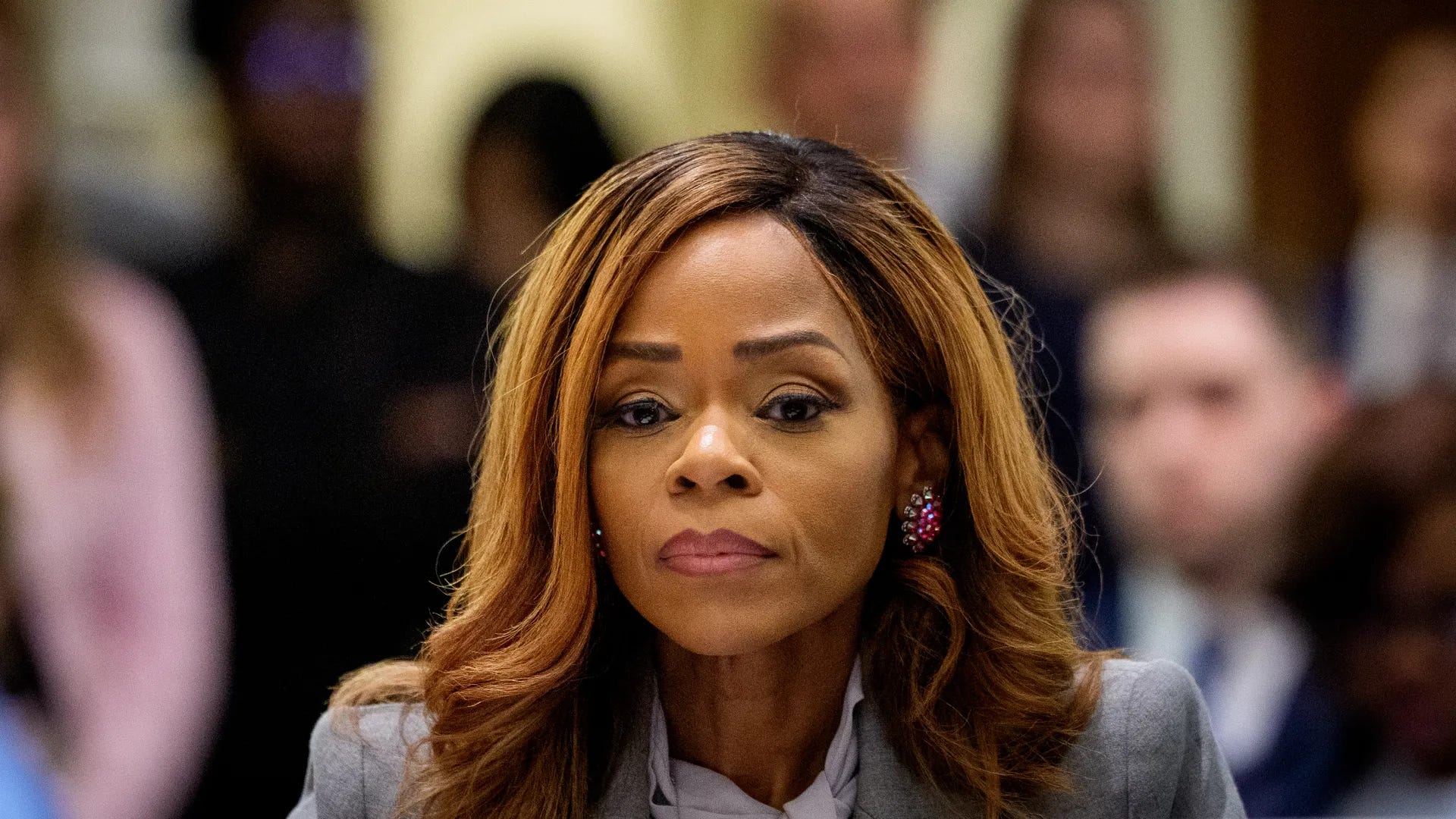
Cherfilus-McCormick, a three-term congresswoman, was indicted in November on federal charges of allegedly stealing $5 million in FEMA disaster relief funds for her campaign. She has pleaded not guilty.
The Florida Democrat announced her resignation in a statement posted on X. She called the House ethics probe “not a fair process” and said the committee’s decision to proceed while she faces a pending federal criminal indictment “prevented me from defending myself.”
She is the third House member to resign since April 13, following Rep. Eric Swalwell (D-CA) and Rep. Tony Gonzales (R-TX), who both stepped down over sexual misconduct allegations. Her seat in Florida’s 20th Congressional District will remain vacant until a special election.
Labor Secretary Chavez-DeRemer Resigns
Labor Secretary Lori Chavez-DeRemer resigned yesterday, becoming the third Trump cabinet member to leave in seven weeks.
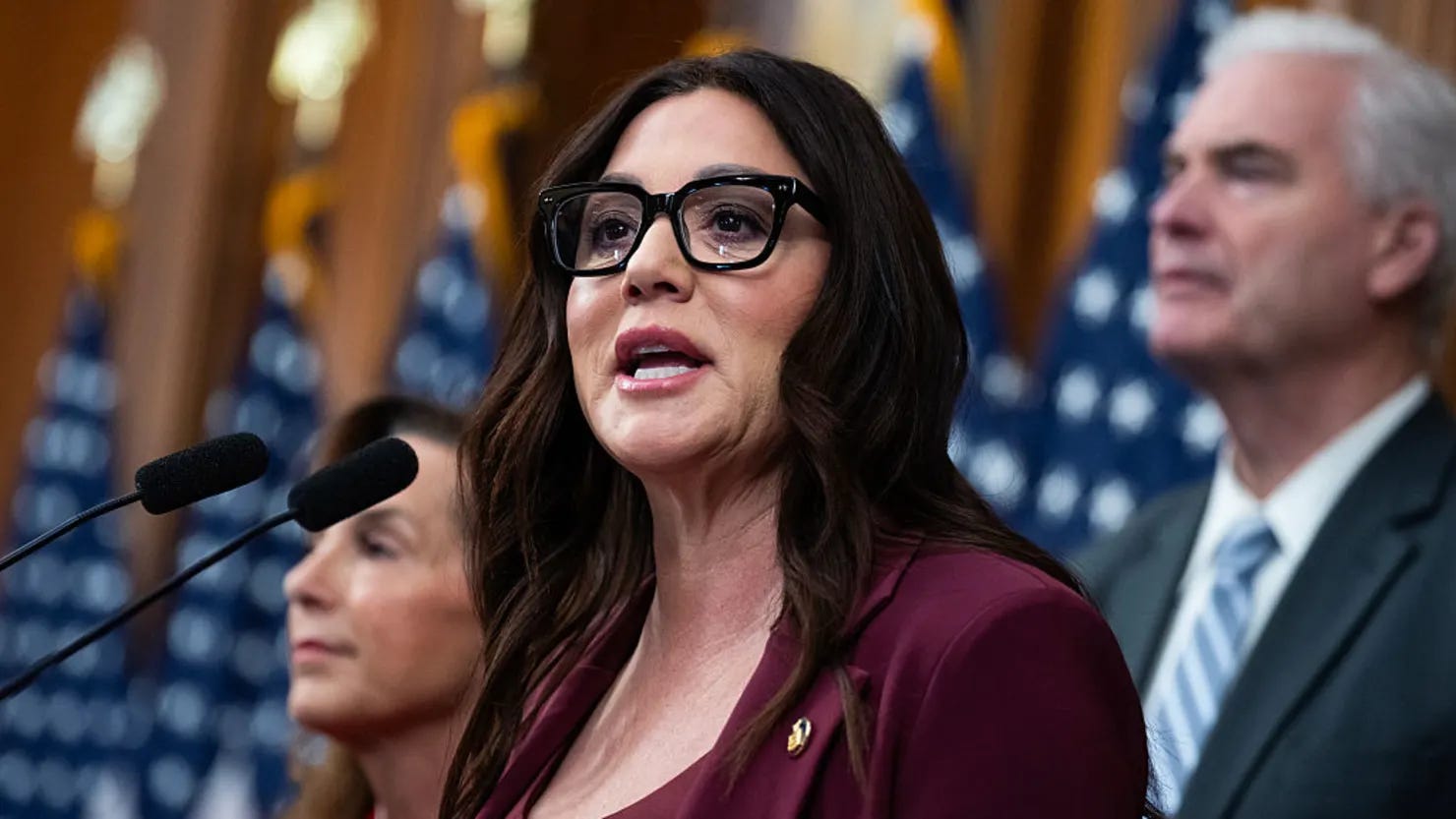
Chavez-DeRemer had been under investigation by the Labor Department’s inspector general — the department’s internal watchdog — since January. The probe began after a complaint filed with the IG’s office in early January alleged she was having a sexual relationship with a member of her security detail and directing aides to fabricate official trips so she could spend time with family and friends. She was scheduled to be interviewed by investigators in the coming days.
Earlier this month, three employees filed formal civil rights complaints accusing Chavez-DeRemer of fostering a toxic workplace and retaliating against women who reported misconduct by her husband, Shawn DeRemer. In February, he was barred from entering the Labor Department’s headquarters after two women said he sexually assaulted them at the office. At least one of those incidents was caught on a security camera.
Employees also accused Chavez-DeRemer of drinking on the job and giving grants to political operatives.
Four members of Chavez-DeRemer’s team were placed on leave during the probe, including the security detail member with whom she was accused of having an affair. Three of the four — the security staffer, her chief of staff, and her deputy chief of staff — resigned in early March; the fourth, director of advance Melissa Robey, was fired the day after sitting for a four-hour interview with the inspector general.
Deputy Labor Secretary Keith Sonderling will now serve as acting secretary.
Chavez-DeRemer, a former Republican congresswoman from Oregon, will “take a position in the private sector,” White House communications director Steven Cheung said in an X post.
Newsbreak
Looking for likeminded people who share a love of books, learning from experts, and building community? Come sit with us in Governerds Insider, the private book club and community led by Sharon. This season, we’re reading Jill Biden’s memoir, View from the East Wing, and a beautiful historical novel, The Lion Women of Tehran, by Marjan Kamali. Both authors will join us for live conversations, along with other experts and workshop leaders. Enrollment is open now until seats are filled. Don’t miss your chance! Click here to learn more and sign up.

Fed Chair Hearing
Kevin Warsh, President Trump’s nominee to chair the Federal Reserve, told the Senate Banking Committee at his confirmation hearing today he would not take orders from the White House on interest rates. But he repeatedly refused to tell senators what is actually inside roughly $100 million in investment funds he holds — saying a confidentiality agreement prevents him from naming the underlying assets — and would say only that he has agreed to sell them if he is confirmed.
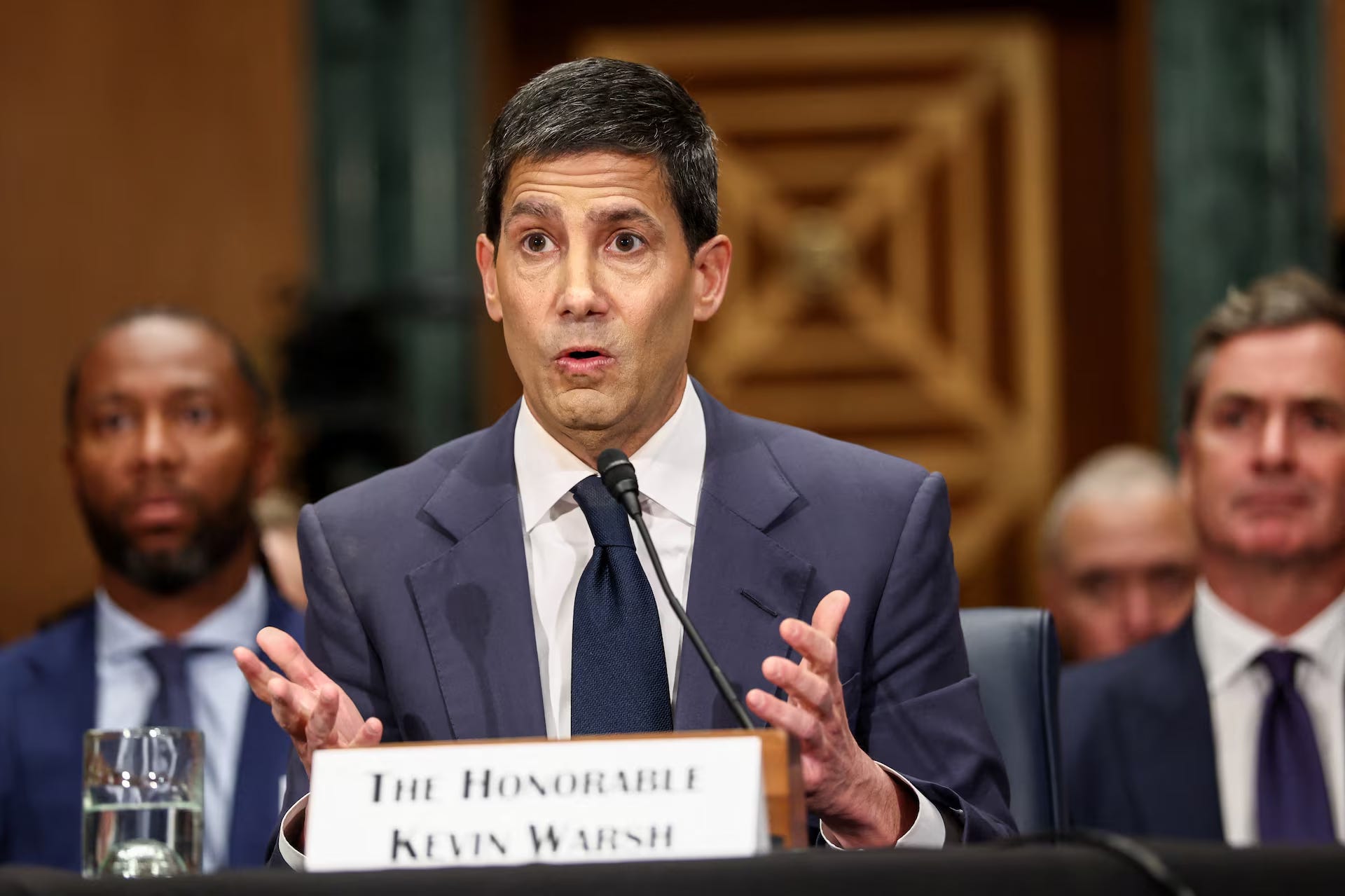
Warsh said Trump never asked him to commit to any interest rate decision in any of their discussions, “nor would I ever agree to do so.” Trump has publicly pushed the Fed to cut rates and criticized current Chair Jerome Powell, whose term ends May 15.
During the hearing, Sen. Elizabeth Warren (D-MA) asked Warsh several times about his financial disclosures, which list more than $100 million in holdings connected to his work for investor Stanley Druckenmiller — the largest labeled only as the “Juggernaut Fund,” which is managed by Druckenmiller’s firm. Warsh has said confidentiality agreements prevent him from naming the underlying assets.
Warren asked directly whether any of the assets involved Trump or his family, Chinese-controlled companies, money laundering, or vehicles linked to convicted sex offender Jeffrey Epstein, since Warsh’s name appears in the publicly released Epstein files. Warsh did not answer the senator, saying only if he is confirmed, he would divest most of the assets before confirmation and the rest within 90 days.
Warsh’s confirmation before Powell’s May 15 exit is uncertain. Sen. Thom Tillis (R-NC) has said he will block the nomination in committee until the Justice Department drops its criminal investigation into Powell over cost overruns at the Fed’s headquarters renovation.
SCOTUS on FCC Fines on AT&T, Verizon
The US Supreme Court held oral argument today on a case to decide whether to uphold more than $100 million in fines the Federal Communications Commission imposed on AT&T and Verizon.
At issue is the FCC’s practice of issuing “forfeiture orders” — binding fines assessed through internal agency proceedings rather than a trial — for alleged violations of federal communications law. The agency fined AT&T $57 million and Verizon $46.9 million in 2024 for selling customer location data to third-party aggregators allegedly without adequate safeguards. The companies argue the Constitution’s Seventh Amendment entitles them to a jury trial before the FCC issues a fine.
The government countered that FCC forfeiture orders are not final unless enforced in court — a company can refuse to pay, and the DOJ must then sue before a jury to collect, which means the company still gets a jury trial.
A majority of the justices seemed skeptical that the FCC’s process denies the companies their right to a jury trial.
Justice Samuel Alito said the agency’s process — created by Congress in 1960 — looked “quite different” from what the Constitution’s framers would have recognized as a lawsuit requiring a jury.
Justice Brett Kavanaugh suggested that the jury-trial right is preserved at the DOJ collection stage. But the companies’ lawyer, Jeffrey Wall, replied that in practice, companies facing an adverse FCC finding choose to pay the fine immediately to avoid the reputational damage of an unresolved federal enforcement action — and once they pay, no DOJ collection suit is ever filed, which means the jury trial the government points to never happens. “When your main regulator tells you you owe hundreds, maybe even billions of dollars, you can’t sit around and do nothing,” Wall said.
ATF Probes How Louisiana Gunman Got Assault Gun
Federal agents are investigating how the Louisiana man who fatally shot eight children on Sunday, seven of them his own, obtained the assault-style pistol he used. Shamar Elkins, 31, had a 2019 felony conviction for illegal use of a firearm that likely barred him from owning guns, according to Shreveport police. Relatives said he had attempted suicide in February and, three years ago, had threatened to kill his wife, their children and himself.
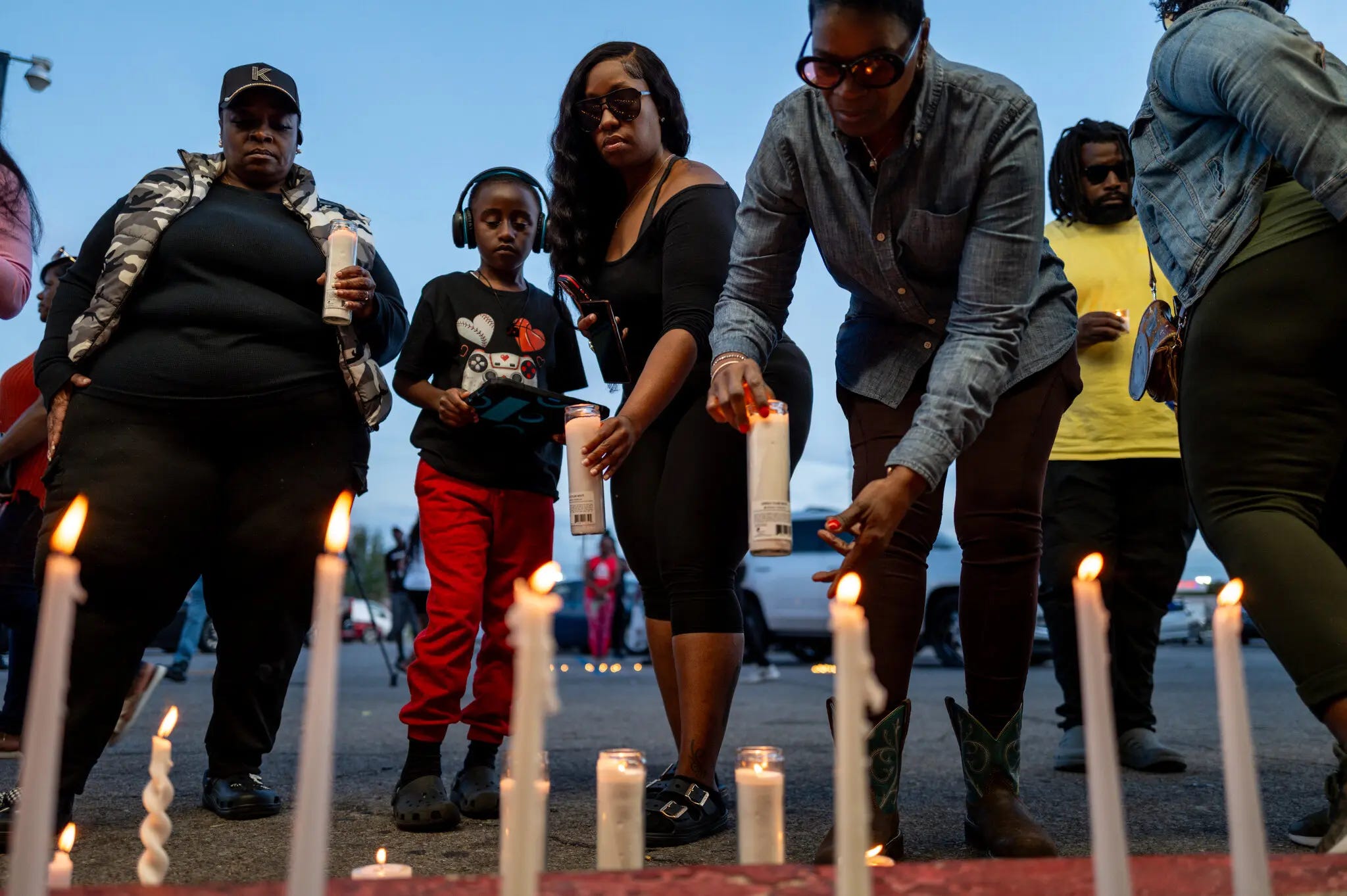
Elkins shot the children at a home in the Cedar Grove neighborhood of Shreveport, police said. Many of the victims, ages 3 to 11, were asleep and most were shot in the head. Elkins also shot his wife, Shaneiqua Pugh, and a woman believed to be his girlfriend; both are in critical condition. A 12-year-old girl jumped from the roof of one of the homes to escape and suffered non-life-threatening injuries.
Elkins was killed in an exchange of gunfire with police during a vehicle chase into neighboring Bossier City.Louisiana State Police are investigating whether he died by suicide or police fire, while the federal Bureau of Alcohol, Tobacco, Firearms and Explosives — the agency that enforces federal firearms laws — is investigating how Elkins got the gun.
The incident was the deadliest US mass shooting since January 2024.
If you’re experiencing thoughts of self-harm, help is available through the 988 Suicide and Crisis Lifeline.
Jury Awards $5,000 in Second Uber Driver Sexual Assault Verdict
Yesterday, a federal jury in Raleigh, North Carolina, ordered Uber to pay $5,000 to a woman who said an Uber driver sexually assaulted her in 2019. The company is facing more than 3,300 similar cases pending in federal court.

The anonymous plaintiff in the North Carolina trial said that when her Uber arrived at her Raleigh destination just before 2 a.m. on a night in March 2019, the driver grabbed her inner thigh and asked if he could “keep it with him.” She then fled the vehicle. Uber did not dispute that the assault occurred, but argued it is a technology platform, not a “common carrier” like a taxi service with a legal duty to protect passengers under North Carolina law. Uber argued that the company is not responsible for the conduct of drivers, whom it classifies as independent contractors rather than employees.
This is the second sexual assault case that Uber has lost. In February, an Arizona jury awarded $8.5 million to a woman who said an Uber driver raped her when she was 19.
Virginia Redistricting Referendum
Virginia voters head to the polls today to decide whether to amend the state constitution to let the Democratic-controlled General Assembly redraw the state’s 11 congressional districts ahead of the November midterms.
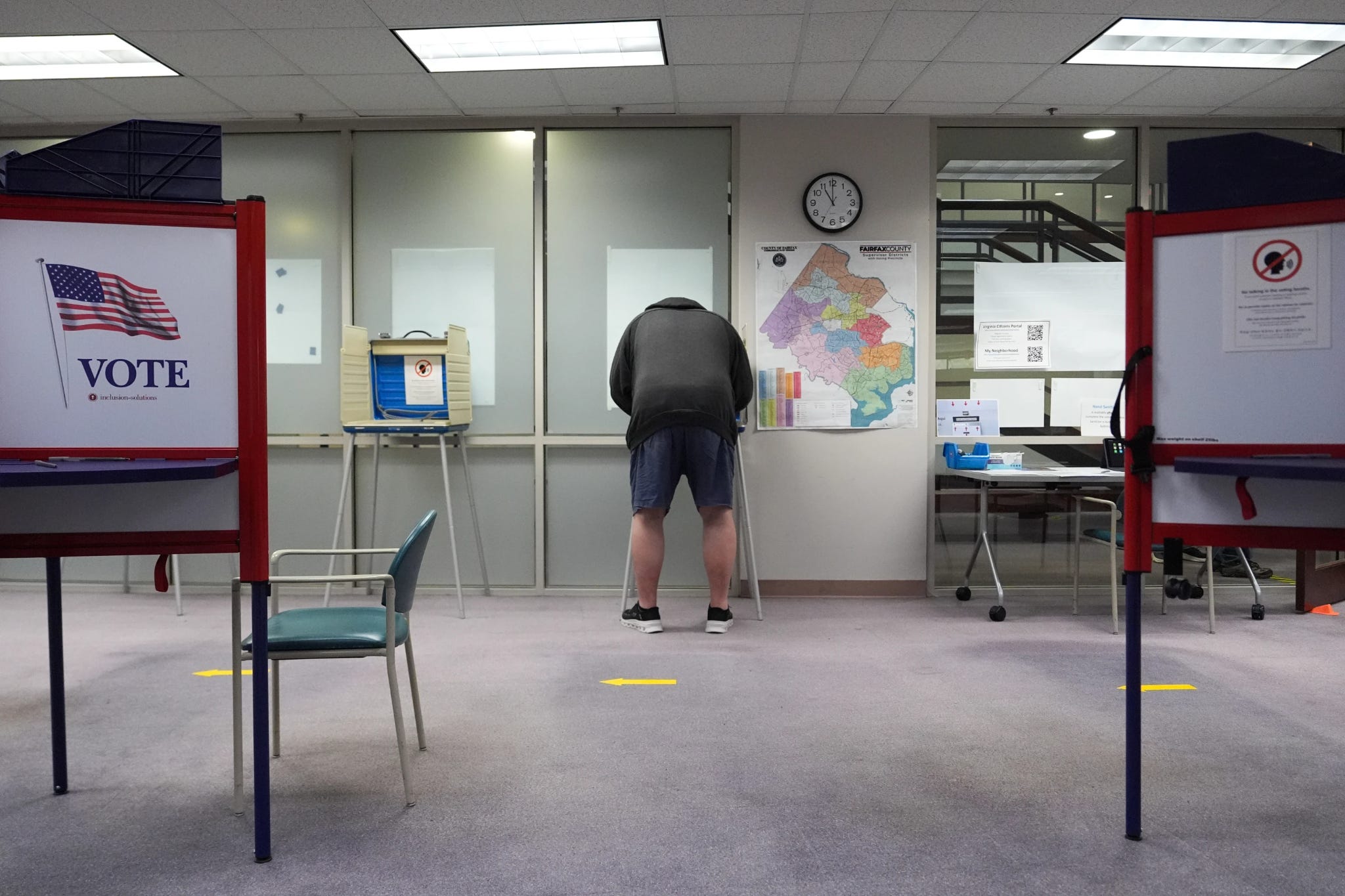
Virginia’s current House delegation is six Democrats and five Republicans, based on a map drawn in 2021 by a bipartisan redistricting commission. The map on the ballot today — already passed by the legislature and signed by Democratic Gov. Abigail Spanberger — would take effect only if voters approve the amendment and would likely give Democrats a 10-1 seat advantage. The legislature’s redistricting power would expire October 31, 2030, returning authority to the bipartisan commission after the 2030 census.
Virginia’s referendum is part of a nationwide mid-decade redistricting fight that began in July 2025, when Trump asked Texas Republicans to redraw their map to favor the GOP. Six states have since changed their congressional maps; California Democrats passed a similar mid-decade map through Proposition 50 last November.