

Regime Change in Iran Is Not That Simple
Iranians wanted freedom, instead they got a war

As the war with Iran now enters its second month, I’m hearing from many readers who want to understand not just what this conflict means for the US, but what’s happening to the Iranian people. Although President Trump initially sold this war as an opportunity for Iranians to rise up and take control of their government, things haven’t quite unfolded that way. This piece from foreign affairs expert and The Preamble contributor Elise Labott explores how Iran got to this moment, and what the future might look like.
—Sharon
Sama, a 31-year-old engineer in Tehran, was screaming with joy when she heard Ayatollah Ali Khamenei was dead.
That was week one of the war.
By week two, she couldn’t sleep. “Now I see some are terrified,” she said. “I wake up either to the sound of explosions, or because of nightmares about them.”
That emotional whiplash — hope giving way to dread — captures something essential about this moment inside Iran. One month into the US-Israeli military campaign, Khamenei is gone, the country is under bombardment, and yet the Islamic Republic remains intact. For many Iranians, the possibility of change feels closer than it has in years — and at the same time more uncertain and more frightening.
This is the part of the story that has largely been missing from American coverage. The focus has been on strikes, negotiations, and decisions in Washington. But what is unfolding inside Iran — the limits of protest, the resilience of the regime, and the absence of a clear alternative — may ultimately matter just as much in determining what comes next.
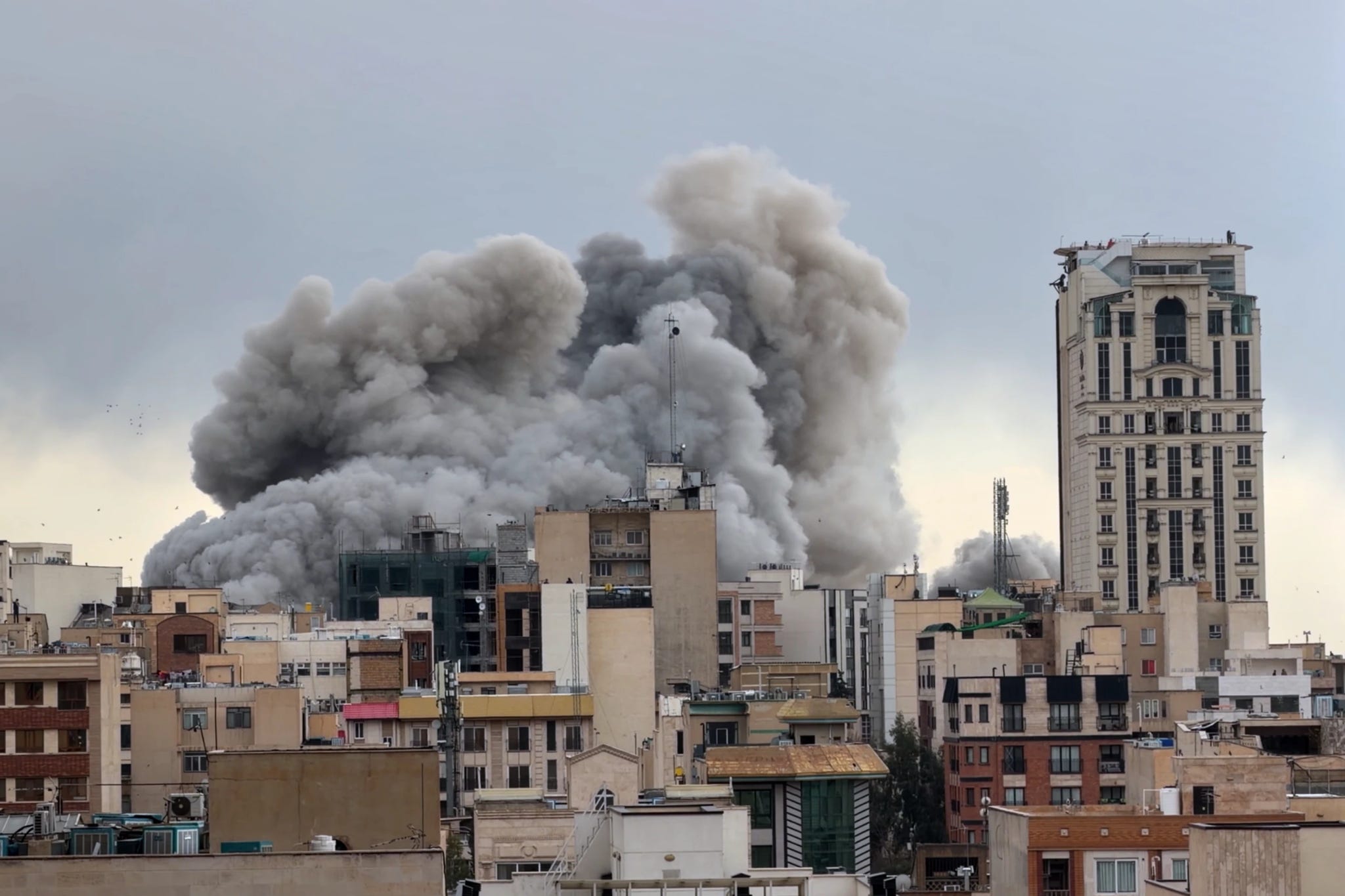
Arash Azizi, historian, Yale lecturer, Atlantic columnist, and author of What Iranians Want, has spent years studying Iran’s political evolution and remains in close contact with people inside the country, including members of his family. His assessment of the current moment is clear-eyed and notably unsentimental.
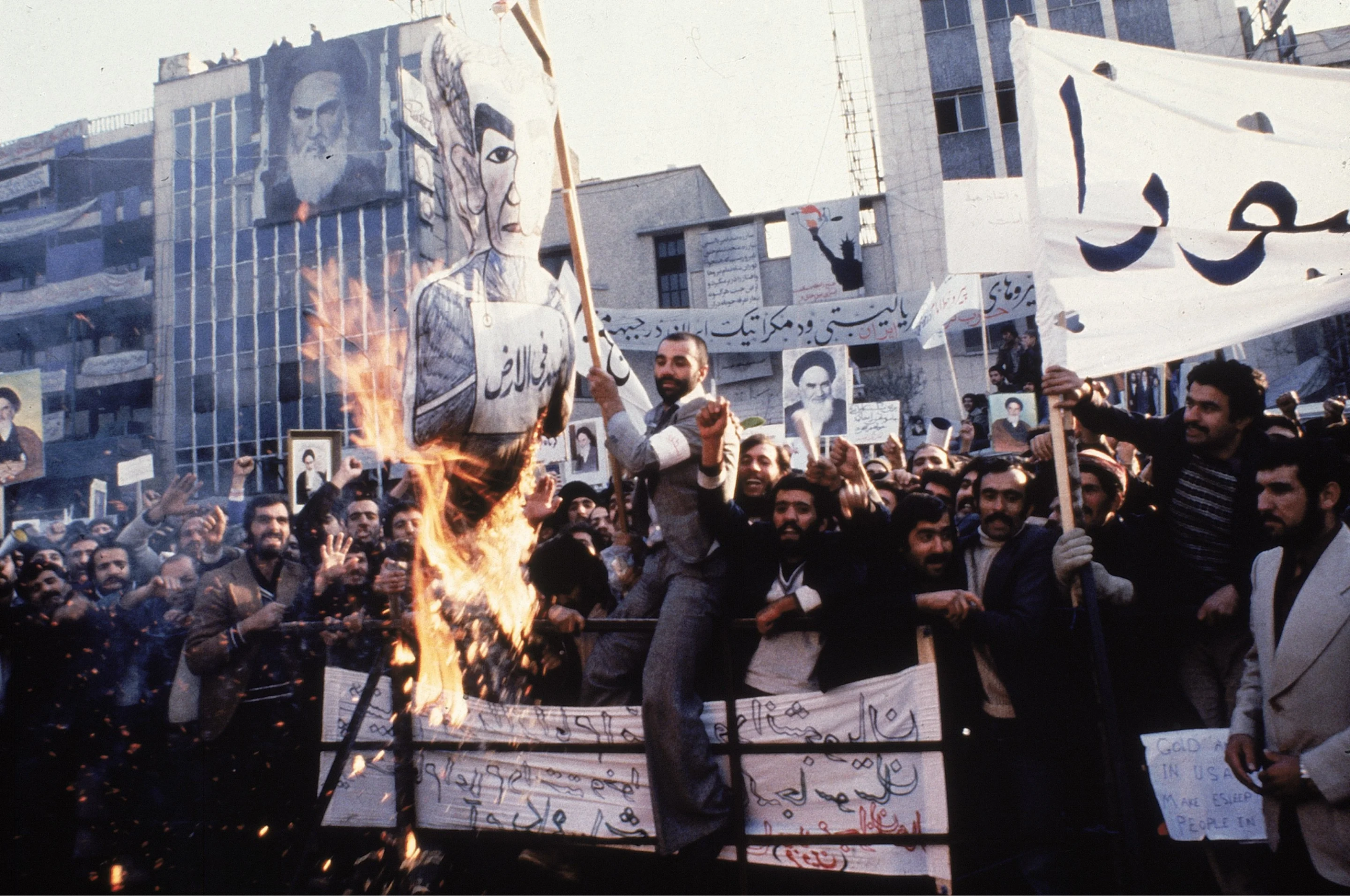
“Many Iranians have a magical thinking,” he told me. “They think of 1979, where overnight the Shah was overthrown and something else came. So now this can happen again — in the opposite direction.”
It is an appealing idea, he said, particularly in moments of upheaval. But it is also misleading.
A system built to prevent its own collapse
The Islamic Republic that exists today is, in many ways, a system designed in response to the lessons of 1979.
When the Shah fell, it was not simply because of mass protest. It was because the state had lost its ability to enforce power. The military fractured. Soldiers refused to fire on civilians. Political authority dissolved once coercive force became unreliable.
The Islamic Republic has spent decades ensuring that that scenario cannot be repeated. It built parallel security structures that operate alongside the regular military but are more tightly bound to the survival of the regime — most notably the Islamic Revolutionary Guard Corps, the most powerful part of Iran’s military, and the Basij militia, a volunteer force used to police dissent and enforce ideological control. Iran has expanded intelligence networks and surveillance capabilities, embedding them not only in major cities but in smaller towns and rural areas that historically had little direct state presence.
At the same time, the regime worked systematically to eliminate alternative centers of power.
Opposition figures inside Iran have been imprisoned, intimidated, or killed. Abroad, dissidents have been targeted in hundreds of assassinations over four decades. Civil society — from independent media to labor unions — has been weakened or dismantled. Political competition has been tightly controlled through the vetting of candidates to ensure loyalty to the system.
That absence of leadership and viable alternatives is the product of sustained policy — and the central reason protest movements have struggled to translate dissent into change.
“The state was very aware of how the Shah fell,” said Roya Boroumand, co-founder of the Abdorrahman Boroumand Center for Human Rights in Iran. “They have made sure that, if they have a legitimacy problem, there is no one to fill that vacuum.”
Protest without power
Over the past two decades, Iran has experienced repeated waves of protest, each one broader and more politically explicit than the last — and each one met with escalating repression.
The 2009 Green Movement brought millions into the streets before being violently suppressed. The 2019 fuel protests left at least 1,500 people dead. The 2022 Woman, Life, Freedom movement became a global symbol of resistance to state repression and demands for basic rights and dignity before being crushed through arrests, executions, and widespread intimidation.
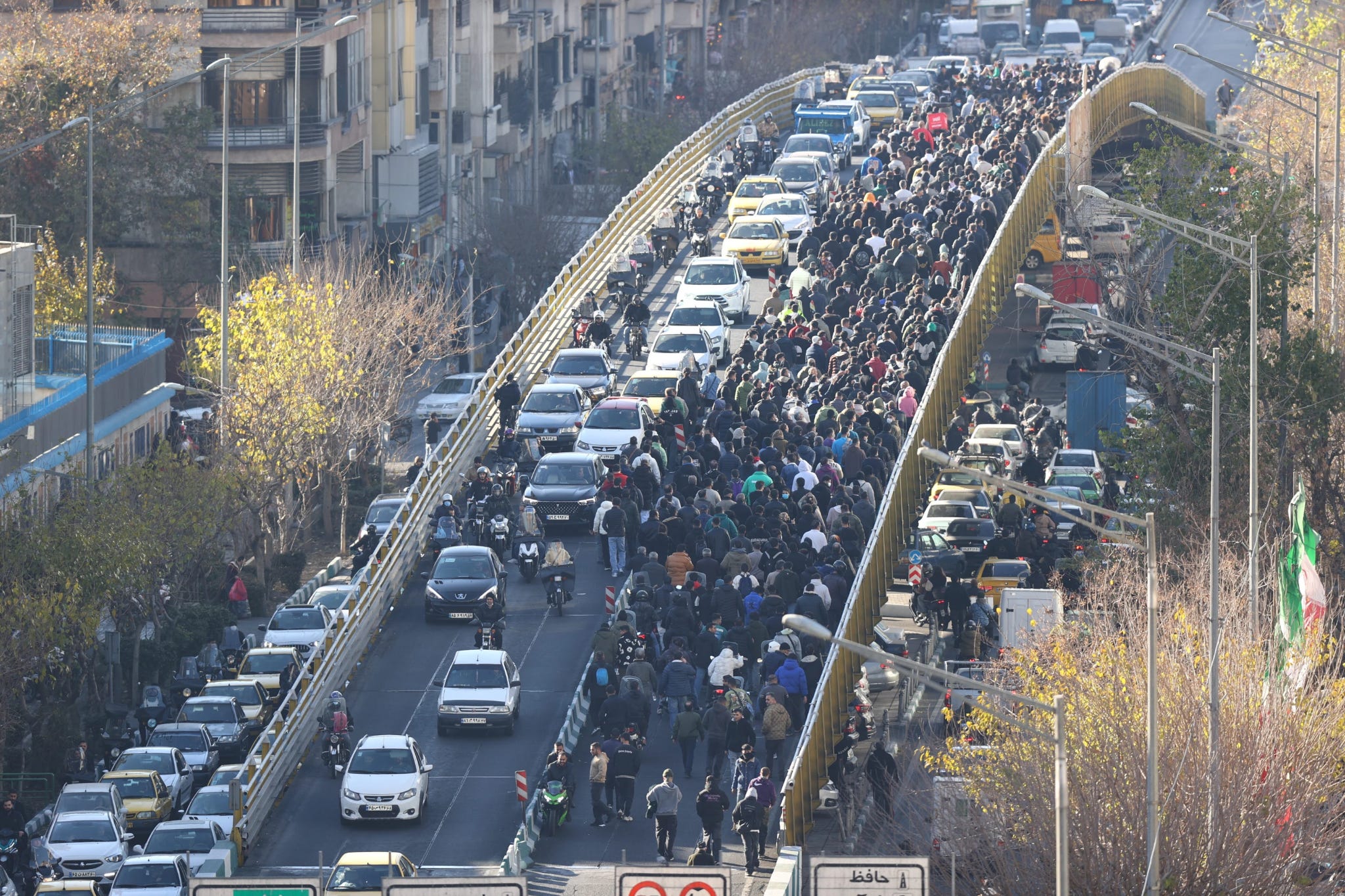
In December 2025 and January 2026, protests reached a new level. Demonstrations spread across all 31 provinces, cutting across class and generational lines. For a brief moment, it appeared that the scale of unrest might overwhelm the system.
Instead, the regime responded with overwhelming force. Estimates of those killed in the first days of the crackdown alone range from roughly 7,000 to as high as 30,000, depending on the source. Thousands more were detained. Communication networks were restricted. Surveillance intensified. Families were pressured into silence.
The pattern has become familiar: mobilization followed by containment, dissent followed by repression. What has been missing is not courage among the people, but a pathway to power.
The unintended consequences of war
In the months leading up to the war, the Iranian regime was arguably at one of its weakest points in years — battered by the January protests, constrained by a struggling economy, and occupying a diminished regional posture after setbacks to its proxy networks. The expectation in some quarters was that external pressure might push it over the edge.
So far, the evidence points in a different direction.
The war has reinforced the regime’s internal position. External attack has made it easier for the leadership to frame dissent as disloyalty and to rally political and security elites who might otherwise be divided.
Data from ACLED, which monitors violent conflict and protests around the world, underscores that dynamic. Since the war began, the overwhelming majority of demonstrations have been pro-government, while anti-regime protest has been rare and quickly suppressed.
“The regime has not fragmented and there are no defections,” said ACLED president Clionadh Raleigh.
This does not mean the regime has regained legitimacy with the Iranian public. It has not. But it does suggest that external military pressure is not producing the kind of internal fracture that would lead to collapse. Instead, it is narrowing political space and strengthening the regime’s control at home.
The limits of external support
For many Iranians, the gap between the rhetoric outside their country and the reality inside it has been stark.
During the January protests, Donald Trump urged Iranians to “TAKE OVER” regime institutions and warned that if the government killed protesters, the United States would respond forcefully.
Some believed him. Accounts from inside Iran describe people watching the skies, expecting intervention that never came. The protests were crushed. No response followed.
Azizi sees that outcome as predictable.
“It’s pitiful in a way because this was an entirely predictable course of events,” he said. “What in Donald Trump shows — what has he ever done — that would suggest he’s a friend of democracy?”
An opposition without a center
The question of what comes next if the regime weakens significantly remains unresolved.
The Iranian opposition is diverse but deeply fragmented. Some Iranians aligned with Reza Pahlavi — the son of the deposed Shah — see him as a transitional figure, a bridge to democratic elections rather than a return to monarchy. For some Iranians, particularly in the diaspora, that framing resonates, fed by nostalgia for the pre-revolutionary era as a time of stability and prosperity.
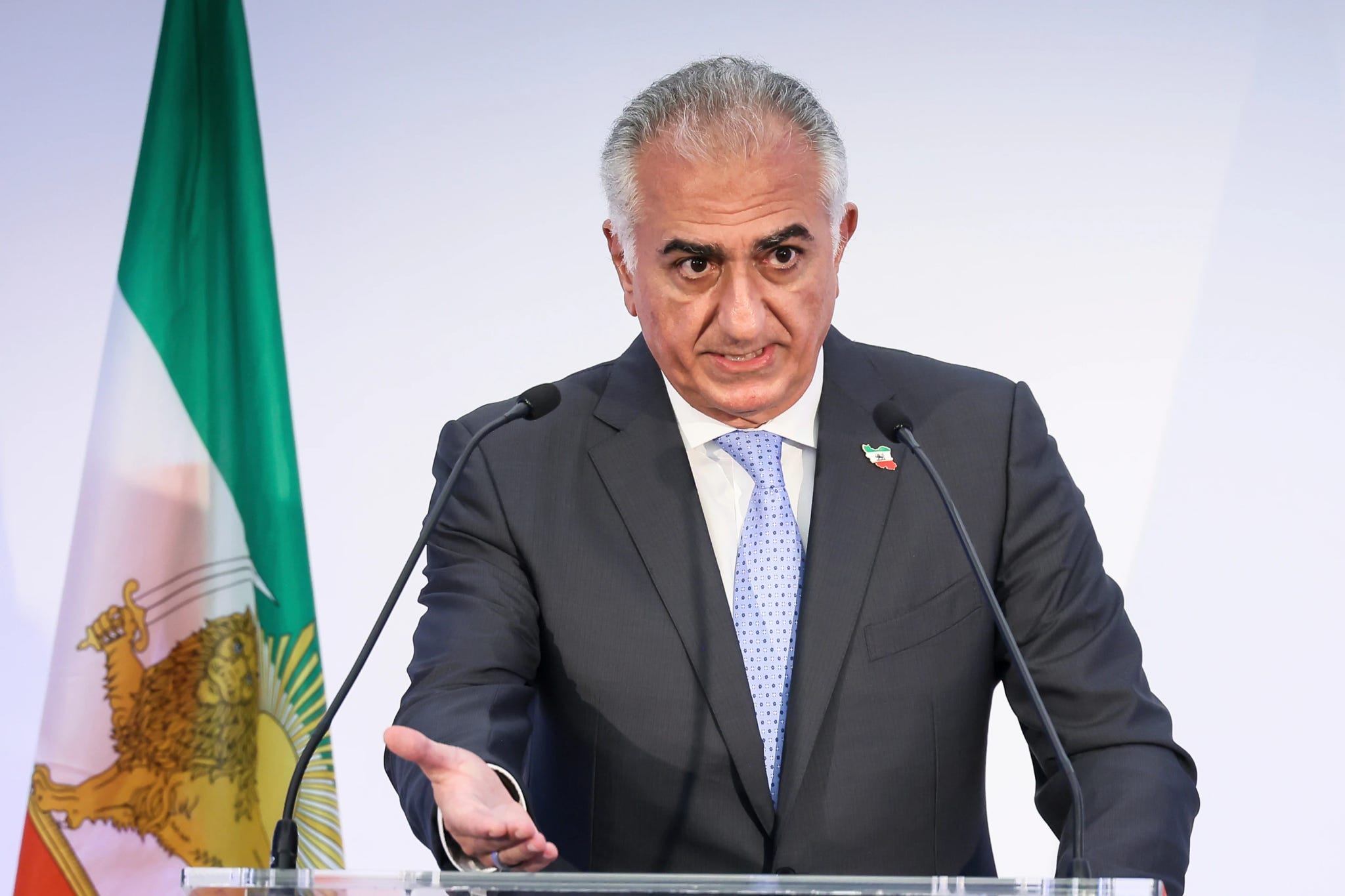
Inside Iran, Pahlavi’s actual support is harder to measure — and his lack of any organization or network raises serious questions about whether he would be capable of driving change. Other factions compete for influence: the Mojahedin-e Khalq — a controversial opposition movement that broke violently with the Islamic Republic after the 1979 revolution and was designated a US terrorist organization until 2012 — remains deeply unpopular inside Iran, particularly because of its alliance with Saddam Hussein during the Iran-Iraq War. Kurdish political organizations have regional influence but are at risk of fragmentation. Efforts to build broader coalitions continue, but with limited cohesion.
“Revolutions never win by people getting guns,” Azizi says. “The way it works is that they cause a crack in the security forces — so that they defect to the people.” No sign of that crack has appeared. “Because who do they defect to?”
A revolution deferred
Taken together, these dynamics point to a more complicated reality than either the imminent collapse of Iran or its decisive transformation.
What is unfolding inside Iran is not a revolution in the traditional sense. It may be the beginning of a prolonged period of strain, adaptation, and uncertainty. The regime remains deeply unpopular but resilient. The population remains dissatisfied but politically constrained. The system is under pressure but not yet breaking.
For many Iranians, that is the hardest reality to accept. The desire for a decisive rupture — a moment like 1979 — remains powerful. But the conditions that made that moment possible do not exist today.
What exists instead is a government that has learned from its past, a society that continues to push against it, and a geopolitical environment that complicates both.
For now, the revolution is stuck — not because the forces for change are absent, but because the structures that contain them remain intact.
 | A guest post by
|