

One Year of ICE 2.0
Stats on the impact of ICE’s first year back under Trump

When Donald Trump returned to the White House in January 2025, he did so with a familiar promise: immigration enforcement would no longer be cautious, quiet, or restrained. Interior enforcement would surge. Deportations would accelerate. And ICE would be unleashed to do what the administration argued it had been prevented from doing for years.
What followed was not just a policy shift, but a scale shift. Over the past year, US Immigration and Customs Enforcement dramatically expanded its budget, staffing, detention footprint, and operational reach, at a pace few outside of government fully anticipated. Deportation targets ballooned. Detention numbers climbed to historic highs. Raids moved deep into American cities far from the border. And the consequences — legal, humanitarian, political — began to compound.
So much of what we know about this expansion has not come from government transparency. It has come from everyday Americans filming arrests on their phones. From families posting videos of loved ones disappearing into vans. From journalists reconstructing events in real time because access to detention facilities, internal data, and on-the-record explanations has been restricted or denied. The public record on ICE in Trump’s second term is being assembled from the outside looking in.
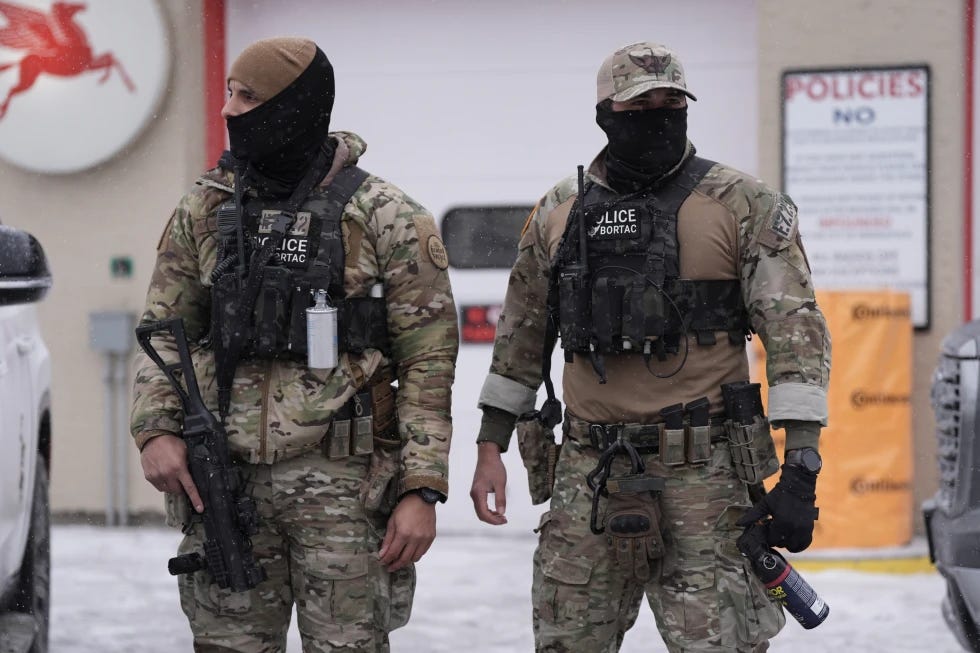
The result is an enforcement system that seems to exist on two different planets. On one hand, government press releases tout efficiency, numbers, and “law and order.” On the other, footage, court filings, and investigative reporting reveal confusion, secrecy, deaths in custody, and communities struggling to understand what is happening around them. The gap between those two realities is not just informational — it is political, moral, and constitutional.
This piece is an attempt to close that gap.
What follows is a clear, data-driven accounting of what ICE actually did in the first full year of Trump’s second term: how enforcement changed, where it expanded, what the numbers show, and where official narratives collide with on-the-ground realities. Not the rhetoric or the slogans, but the measurable facts every citizen should know.
1) How Many People Has ICE Arrested, Detained, and Deported?
One of the biggest promises Trump made on the campaign trail was that he would vastly increase deportation enforcement. In the first year of his second term, Trump’s team aimed to arrest a minimum of one million undocumented immigrants, a goal that would require as many as 3,000 arrests per day.
Despite the aggressive tactics we’ve seen in recent months, the administration has fallen short of its own goals.
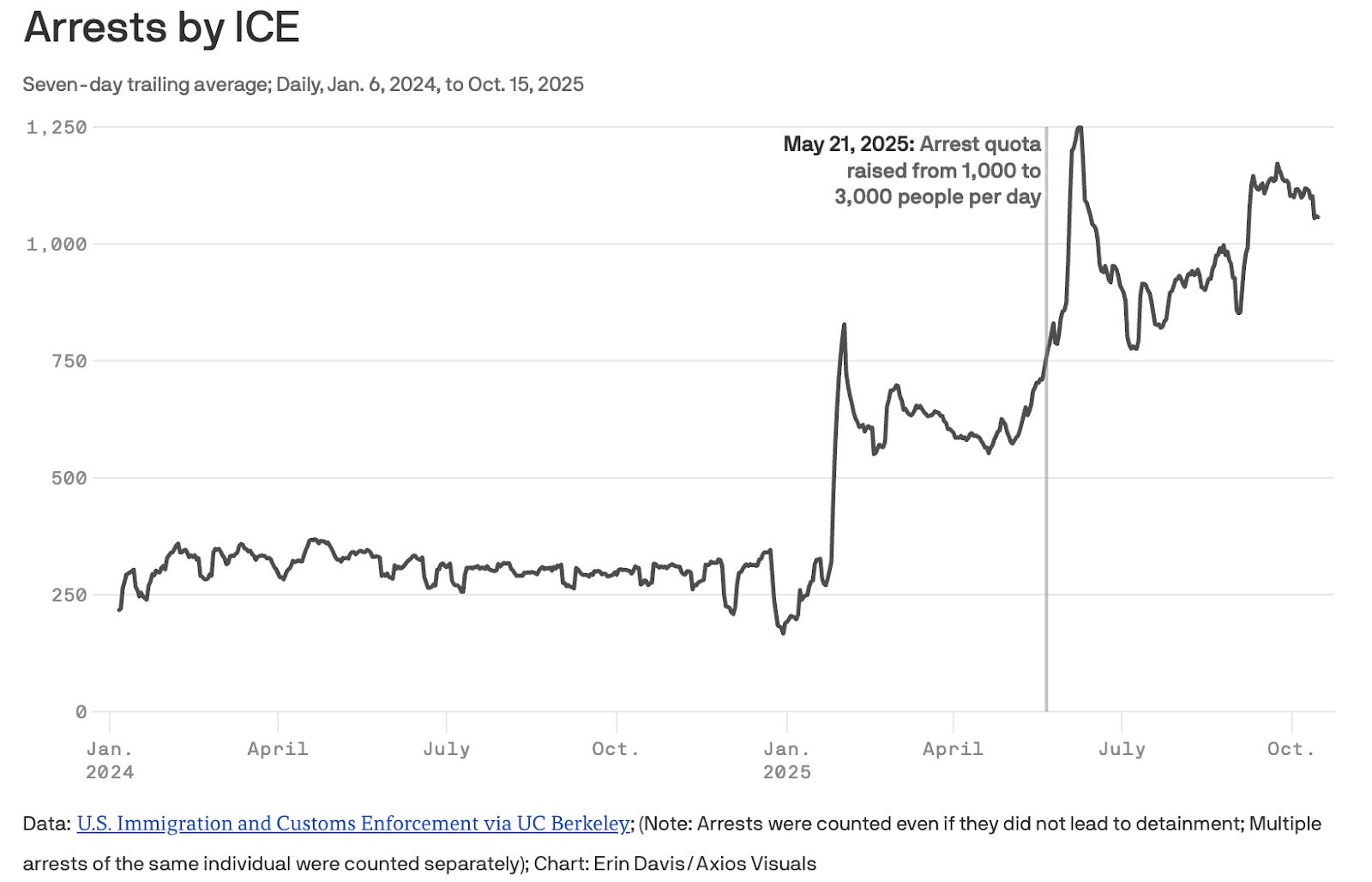
Over the past year, the Trump administration has arrested 352,000 people, with a daily average of around 1,000 ICE arrests per day, a more than threefold increase from the daily average of 300 in the last year of the Biden administration.
Deportations:
In total, the administration deported about half a million people during the first year of Trump 2.0. Just under half of those deported (~230,000) were arrested during domestic ICE operations within the United States, while the other half were deported at the border after encounters mostly with Customs and Border Patrol (CBP) officials.
Detention:
Where the Trump administration has broken all records is the number of people being held in immigration detention facilities. When Trump was sworn in for his second term there were just over 40,000 people in detention. By December 2025, that number had shot to almost 71,000, an increase of 65% in a single year.
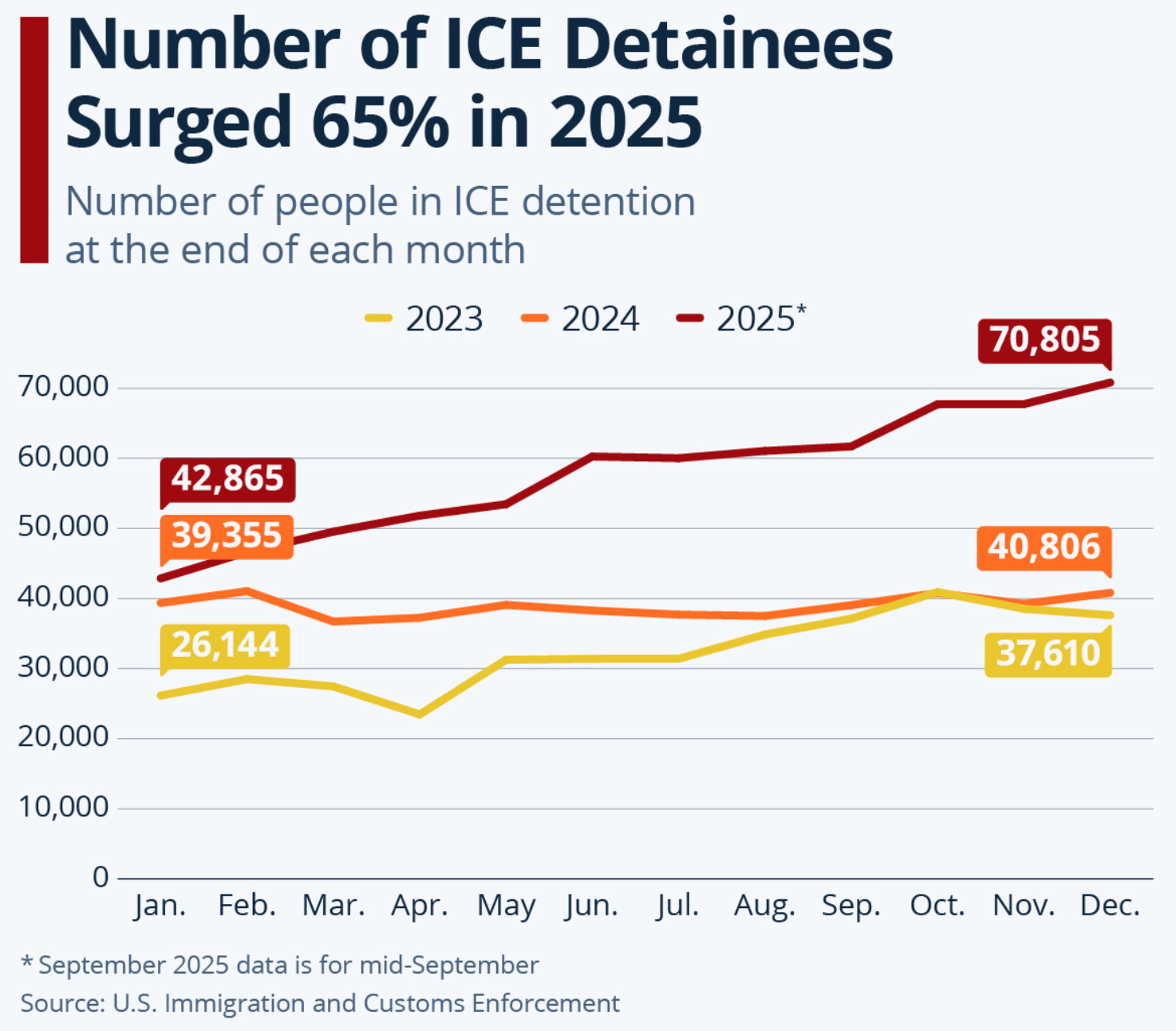
That year-over-year rise in detention is historically unprecedented. In late 2025, the system used 104 more detention facilities than at the start of the year, a 91% increase in beds in active use largely thanks to the $45 billion in new funds for detention centers Congress appropriated in the One Big Beautiful Bill Act.
Bottom line: interior enforcement still exploded—arrests rose more than 300 percent and detention hit historic highs—even if the administration fell short of its own daily deportation targets.
2) Who Is Being Targeted — Criminals, Vulnerable Families, or Both?
A consistent administration line has been that ICE enforcement is focused on “the worst of the worst” — immigrants with serious criminal histories posing safety threats.
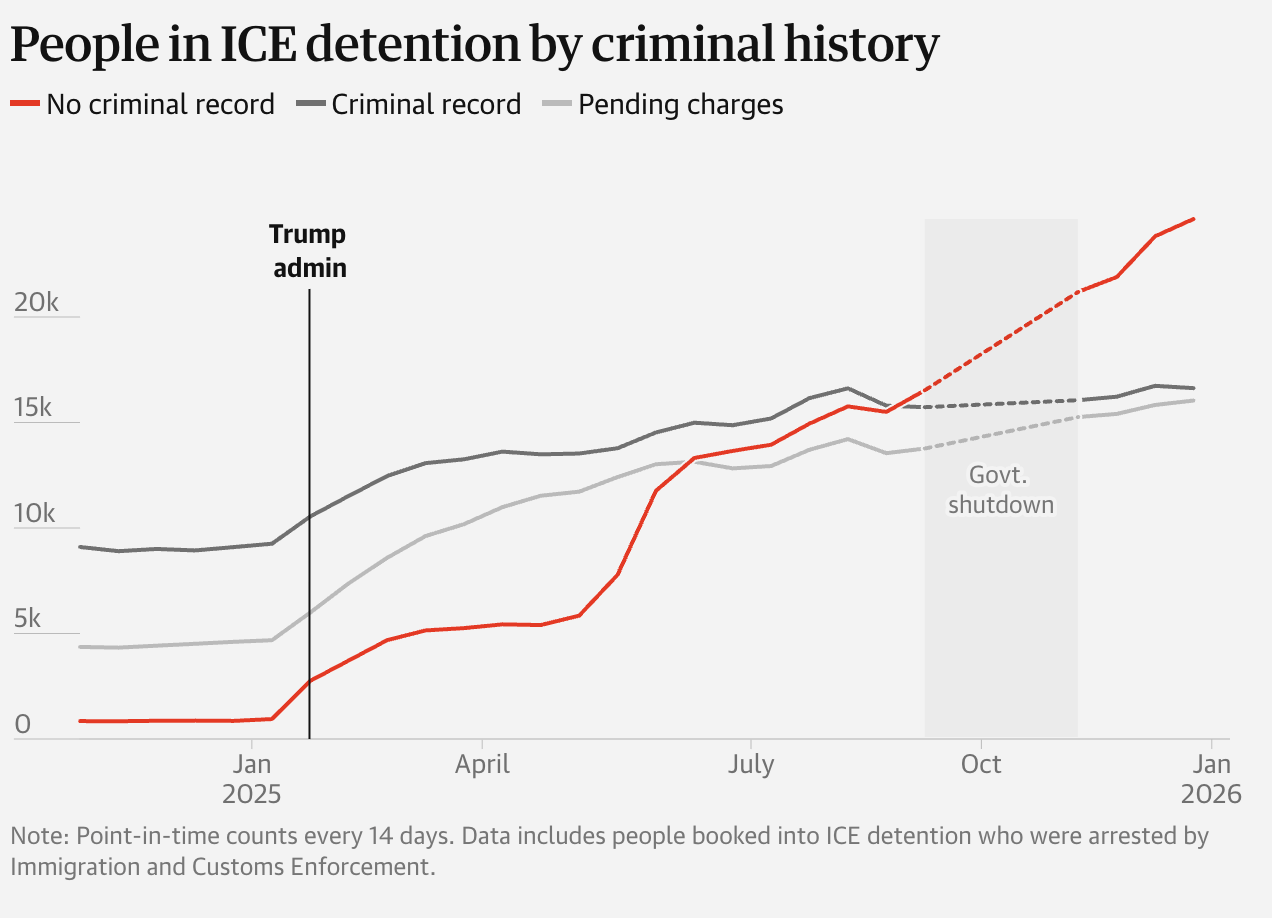
The data does not support the claim.
As detention grew under Trump 2.0, so did the proportion of people held with no criminal record. In January 2025, the percentage of those held in ICE detention facilities with no criminal record stood at a mere 6%. By December, those with no criminal record were the biggest percentage (41%) of people held by ICE. In contrast, 29% of those in detention held criminal records.
This shift matters in how enforcement is perceived and experienced. For many communities, interior raids at workplaces, routine check-ins, and even government appointments meant that law-abiding migrants, including long-term residents and people with pending legal cases, were swept into detention. And contrary to administration rhetoric, most of those deported were not criminals.
Recent reporting out of Minnesota highlights another dimension of this discrepancy: a substantial proportion of the arrests ICE touts as new arrests are actually individuals already in state prisons or local jails, transferred into federal custody once state time was served. Minnesota corrections officials say that many of the “worst of the worst” arrests ICE claims credit for were not unexpected captures, but turnover of people whose arrests and incarceration resulted from prior state law enforcement.
3) What Enforcement Tactics Are Being Used — And Where?
Perhaps the biggest driver of the explosion of ICE arrests, deportations, and activity in 2025 was a fundamental change in the agency’s enforcement tactics.
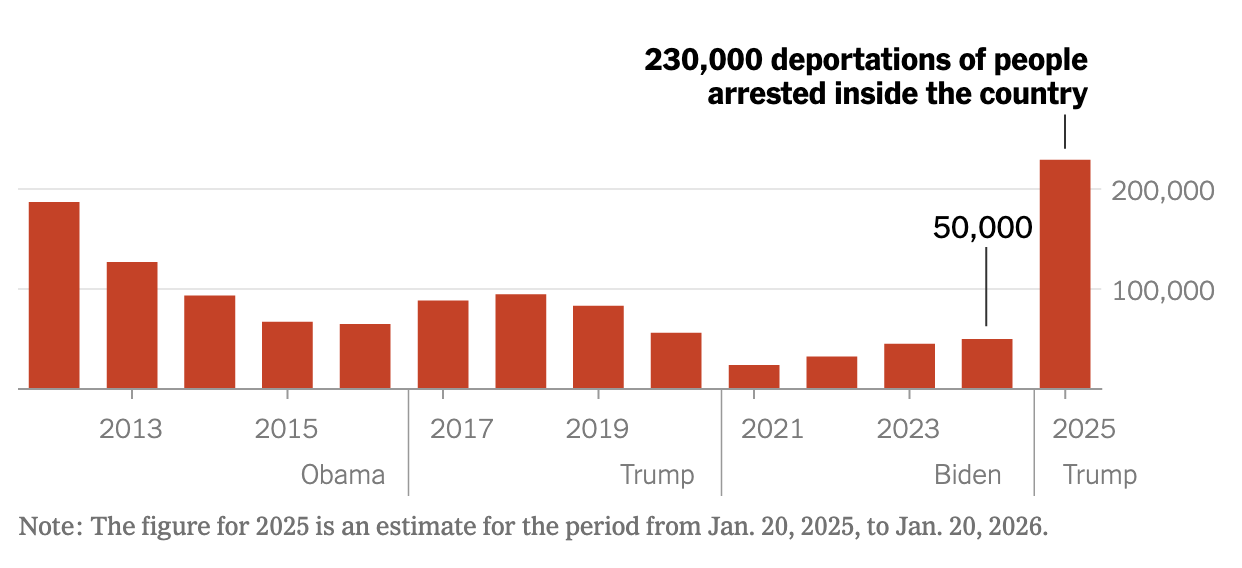
Previous presidents, including Trump in his first term, prioritized immigration enforcement and deportations at the border, when immigrants first try to gain entry. Finding, arresting, and deporting undocumented immigrants from within the country was not a main goal, particularly during Biden’s term. When interior arrests did happen, they mostly occurred at local jails where an undocumented person had already been picked up for another charge.
As we’ve seen over the past year, that all changed in Trump’s second term. ICE agents were directed to search and arrest throughout the country (though with a focus on Democratic-run cities). Plus, ICE conducted increased “at large” operations in which agents sought and detained individuals in workplace parking lots, on neighborhood patrols, and during routine immigration check-ins.
State-by-state data reveals that certain states saw intense concentrations of activity, especially Texas, where ICE made roughly one in four of its arrests between Trump’s second inauguration and July 29, 2025. And in cities like New York, ICE has even made arrests at government offices and churches, drawing criticism from elected officials who argue such tactics undermine civic life and trust.
These patterns illustrate that enforcement is no longer confined to border zones or criminal apprehensions; it has been woven through everyday civic spaces, with broad geographic reach and wide variation in local impact.
4) What Has Happened to ICE Detention — Safety, Scale, and Conditions?
If immigration enforcement has a black box, it’s detention.
By the end of 2025, ICE was holding nearly 70,000 people in custody on any given day, the highest daily average ever recorded. And as detention has expanded, it has also become more opaque.
While arrests happen in public, detention is where immigration officers exercise the greatest power with the least visibility. In the past year, members of Congress and journalists have increasingly been denied access to detention facilities, and formal congressional oversight has been sporadic at best.
What we do know is troubling.
According to a 2025 investigation by the Project On Government Oversight, ICE inspections of detention facilities plummeted just as detention numbers surged. As bed space nearly doubled, the number of inspections fell sharply, leaving many facilities operating for months — sometimes more than a year — without meaningful federal review. In practice, that meant fewer checks on medical care, sanitation, use of force, and compliance with basic detention standards.
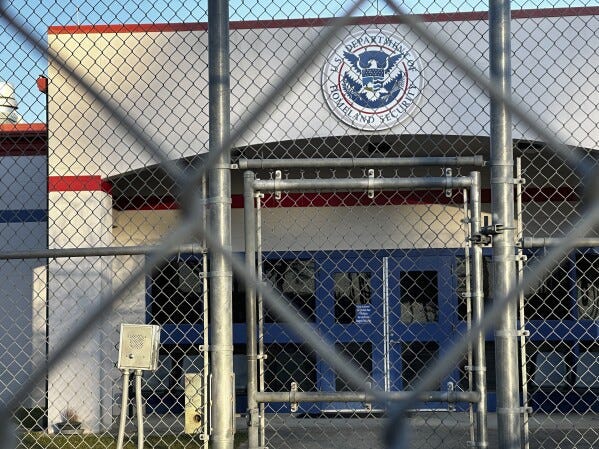
The expansion of incarceration power has also meant that facilities are more remote and sometimes improvised. Tens of thousands more detention beds were made available, including thousands of beds at closed-down state prisons and at tent camps built on military bases. Detainees arrested in interior raids were increasingly transferred hundreds, sometimes thousands, of miles away from their families, attorneys, and immigration courts, making legal representation and due process far more difficult to secure.
Perhaps the most emblematic facility is “Alligator Alcatraz,” a remote ICE detention center in Florida surrounded by swampland and wildlife. The site has become a symbol of ICE’s shift toward maximum-security, maximum-isolation detention, even for people without criminal convictions.
The human toll has grown alongside the system. At least 32 people died in ICE custody in 2025, the highest number in a non-pandemic year. Causes included suicide, untreated medical conditions, and delayed medical care. In just the first ten days of January 2026, four additional deaths were reported, including one death in a Texas detention center that was ruled a homicide after guards were said to have held him down and he stopped breathing. Notably, ICE’s version of events was that the immigrant was attempting suicide.
Taken together, these developments point to a detention system that is larger, more remote, less inspected, and more dangerous than at any prior point in its history.
5) What Has the Public Reaction Been — And Has There Been Pushback?
These policies have not gone unchallenged.
The enforcement surge and its most dramatic flashpoint — the fatal shooting of 37-year-old Renée Good by an ICE agent in Minneapolis during Operation Metro Surge — have sparked widespread outrage and political contestation. Good, a US citizen, was shot amid an aggressive federal operation billed as the largest immigration-enforcement action ever executed in the region. Her death and the administration’s retelling of events caught on video have triggered protests not only in Minneapolis but also in cities including Chicago, New York, Los Angeles, San Francisco, Seattle, and Washington, DC.
Local and state officials responded with legal action. Minnesota’s governor and the cities of Minneapolis and Saint Paul filed suit against the Department of Homeland Security seeking to halt ICE tactics such as warrantless arrests and racial profiling. Other states and cities have filed similar suits, or sued for greater access to and oversight of ICE operations and detention facilities.
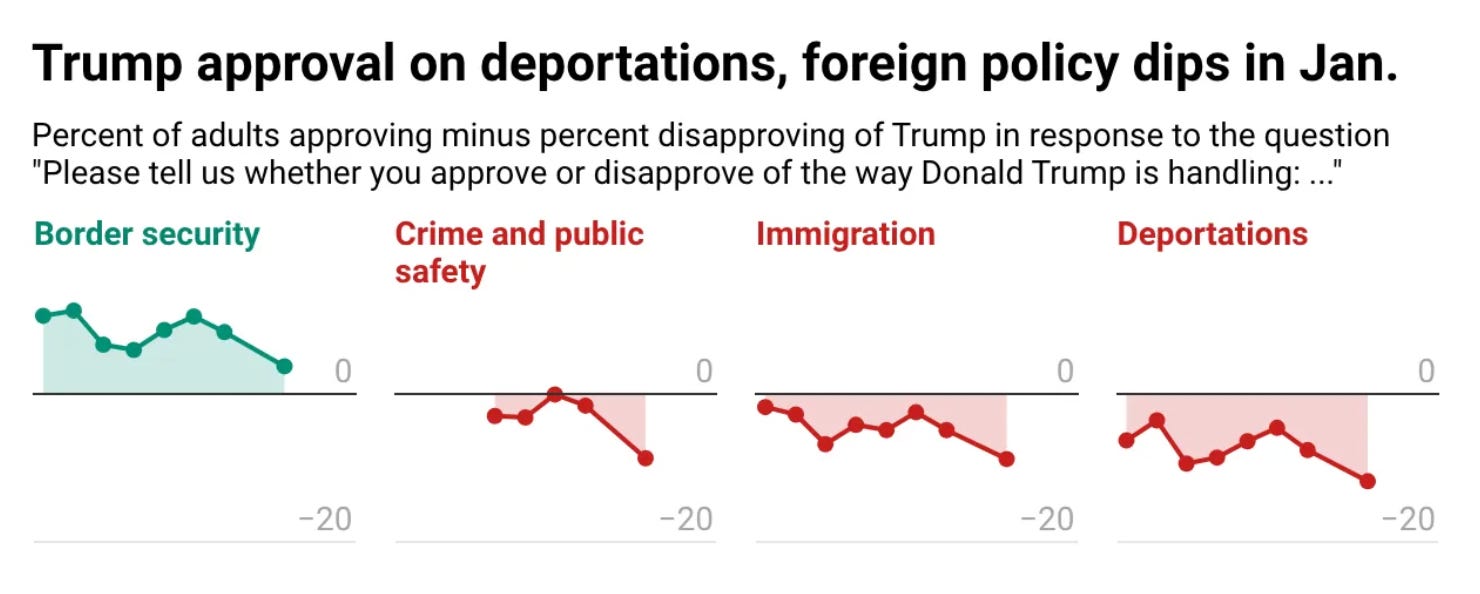
The national reaction reflects a larger shift in public attitudes toward both Trump’s immigration crackdown and ICE itself. Once a strength for the president, immigration enforcement is now an area of political vulnerability for him and Republicans. Overall, just 44% of voters approve of Trump’s handling of immigration (53% disapprove). On deportations, Trump’s approval rating is 12 points underwater, with 54% of voters disapproving of his administration’s tactics.
This erosion of support isn’t defined by partisan fault lines, as over 20% of Republicans have an unfavorable view of ICE. Nearly 60% of Americans feel that ICE agents have gone too far, with broad concerns that tactics are excessive, harming non-criminal immigrants, or violating civil liberties. Prominent figures who had supported Trump’s immigration agenda have publicly criticized the administration’s approach as overreach rather than measured enforcement. Influential podcaster Joe Rogan, for example, recently likened ICE tactics to authoritarian policing and questioned the morality of mass detentions. And at least some GOP lawmakers, including Sen. Susan Collins of Maine, have publicly criticized the administration’s approach as “excessive” rather than measured enforcement.
The controversy has also spurred broader civic action. Grassroots organizations, immigrant-rights groups, and civil-liberties advocates have mobilized protests, information campaigns, and legal challenges, portraying the surge as symptomatic of a federal enforcement strategy that prioritizes headline-grabbing numbers over humane, constitutional, and community-aligned practices. These reactions are not only expressing local grievance; they are reshaping the national debate about how immigration policy should be enforced, funded, and overseen.
ICE in 2026 and Beyond
One year into Trump’s second term, there is little evidence that the crackdown is slowing. On the contrary, the administration continues to be explicit about its intentions and remains unusually well resourced to carry them out. Whatever one thinks of the policy, it was not accidental or improvisational. The administration meant what it said, planned accordingly, and now has the institutional machinery to pursue its goals at scale.
But the trajectory ahead is not controlled solely by the White House.
The most immediate constraints are legal. Lawsuits challenging ICE’s methods — from warrantless arrests and racial profiling to mass detentions to limitations on access for attorneys, journalists, and lawmakers — are winding their way through the courts. Those rulings will shape what ICE can do, how it does it, and how much transparency it is required to provide. Expanded judicial oversight could also pry open parts of the detention system that have largely operated out of public view, potentially altering both policy and practice.
Electoral politics may prove just as consequential. Especially if deaths in custody rise or high-profile mistakes recur, the midterm elections could bring renewed congressional oversight, changes in funding priorities, and even quiet resistance from Republican lawmakers afraid of losing voters.
But ICE’s future will be shaped less by a single election than by a collision of law, politics, and public response. The resources for ICE are there. Its ambitions are clear. But whether its enforcement model proves durable will depend on a combination of courtrooms, communities, and voters as much as on federal directives.
One year in, ICE 2.0 is no longer just an immigration story. It is a test of how power is exercised, constrained, and judged in real time — and whether the systems meant to oversee it are prepared to keep up.
 | A guest post by
|
This is the kind of article that made me a Preamble paid subscriber – carefully researched, clearly written, and important, without the inflammatory language that has engulfed our politics. Thank you.
We need accountability in order to make democracy work. What disturbs me and so many of us is that this administration is deliberately making it difficult if not impossible to hold people accountable. We need a government agency that enforces our immigration laws, but that agency must be held accountable to the people.
Thanks for putting together such a comprehensive accounting, Casey. Factual reporting with breakdowns of each pillar was really helpful.
I feel like what keeps getting lost in both the administration’s rhetoric and the reporting on ICE is what the ostensible reason for all this was in the first place.
Most reasonable people agreed that the situation at the border was out of control up until the end of the Biden term. Whether it was a priority in the way someone voted in 2024 or not, getting crossings under control and deporting violent criminals was a bipartisan concern. The Trump campaign made promises that far exceeded what could be achieved in reality, but I think most people believed that most of the campaign rhetoric was in service of convincing voters that immigration would be a top priority of a second Trump term.
That is to say: if a second term were to deliver a controlled border and targeted deportations based on violent criminal records, Trump would have enjoyed the bipartisan support on this issue that he seems to crave.
So what’s baffling now is that this flamboyant display of brutality seems to be happening in defiance of seeking public approval rather than in pursuit of it. What exactly are they seeking? Why do they want to be more cruel than even their own supporters wanted them to be? He even got Susan Collins to say the word “excessive”!
The deterrent effect for crossing has already been achieved. So why ship people without criminal records to El Salvador? Why disappear college students for harmless op-eds written in college newspapers? Why escalate armed interactions with unarmed people, ignoring all the training protocols? Why throw canisters of toxic gas under a minivan of children that had nothing to do with protests, causing a newborn to lose consciousness? Why hire at a pace that precludes proper training? Why build a monument to cruelty in the Everglades without pausing to confirm it could even legally function? Why fixate on arbitrary arrest numbers that almost nobody cares about now that the main concerns have already been addressed?
The scary answer is that this was never really about the reasons they are giving in their press releases. For the people driving these decisions, those were always just the publicly acceptable justifications for something else entirely: an ideological project of racial purification dressed up as law enforcement. It’s almost as if now they are pursuing a tactic of getting everyday Americans to be horrified. Why?
The White House official social media accounts are often filling in the gaps where you could read in between the lines, using slogans eerily similar to Nazi propaganda. A black woman arrested for peacefully protesting (Nekima Levy Armstrong) had an image of her arrest altered to darken her skin and used AI to change her composed expression to make it look like she was sobbing and hysterical. This manipulation could have easily been done in a way to hide the alteration, but everything else about the image was identical to the original, so the alteration is obvious. When directly asked about this incident, the official response from ICE was an accusation that the reporter was defending violent criminals by even asking a question.
It’s like ICE wants to be the villain, and wants people of good conscience to be provoked into protest. They’re throwing gasoline on every fire they can find. And our systems seem powerless to confront a criminal organization within the government.