

"Killers, Leeches, and Entitlement Junkies"?
Facing an uncertain future in America

Fritz Emmanuel Lesly Miot spends his days researching Alzheimer’s disease. A Haitian neuroscientist living in the United States since 2011, he is part of a community of migrants who have built careers, families, and lives in America while political instability and violence grip their homeland.
Earlier this year, his future suddenly became uncertain when the Trump administration announced that it would end temporary protected status (TPS) for individuals from a number of countries, including Haiti. TPS allows people from nations undergoing humanitarian crises — including armed conflict, environmental disasters, or other “extraordinary and temporary conditions” — to stay in the US. Miot was one of five Haitian migrants who went to federal court to stop the Trump administration from ending their protection.
In her ruling temporarily blocking the administration from deporting the migrants, Judge Ana Reyes pushed back explicitly on the administration’s characterization of them. The people before her, she noted, were hardly the caricatures invoked in political rhetoric.
“They are instead,” she wrote, “Fritz Emmanuel Lesly Miot, a neuroscientist researching Alzheimer’s disease; Rudolph Civil, a software engineer at a national bank; Marlene Gail Noble, a laboratory assistant in a toxicology department; Marica Merline Laguerre, a college economics major; and Vilbrun Dorsainvil, a full-time registered nurse.”
The contrast was pointed. Administration officials had referred to migrants seeking refuge in the United States as “killers, leeches, or entitlement junkies.” The people before Reyes were individuals who had built careers and community ties in the United States while instability persisted in their homeland.
They remain in the US for now, pending further legal proceedings. But the fight over their future is far from over.
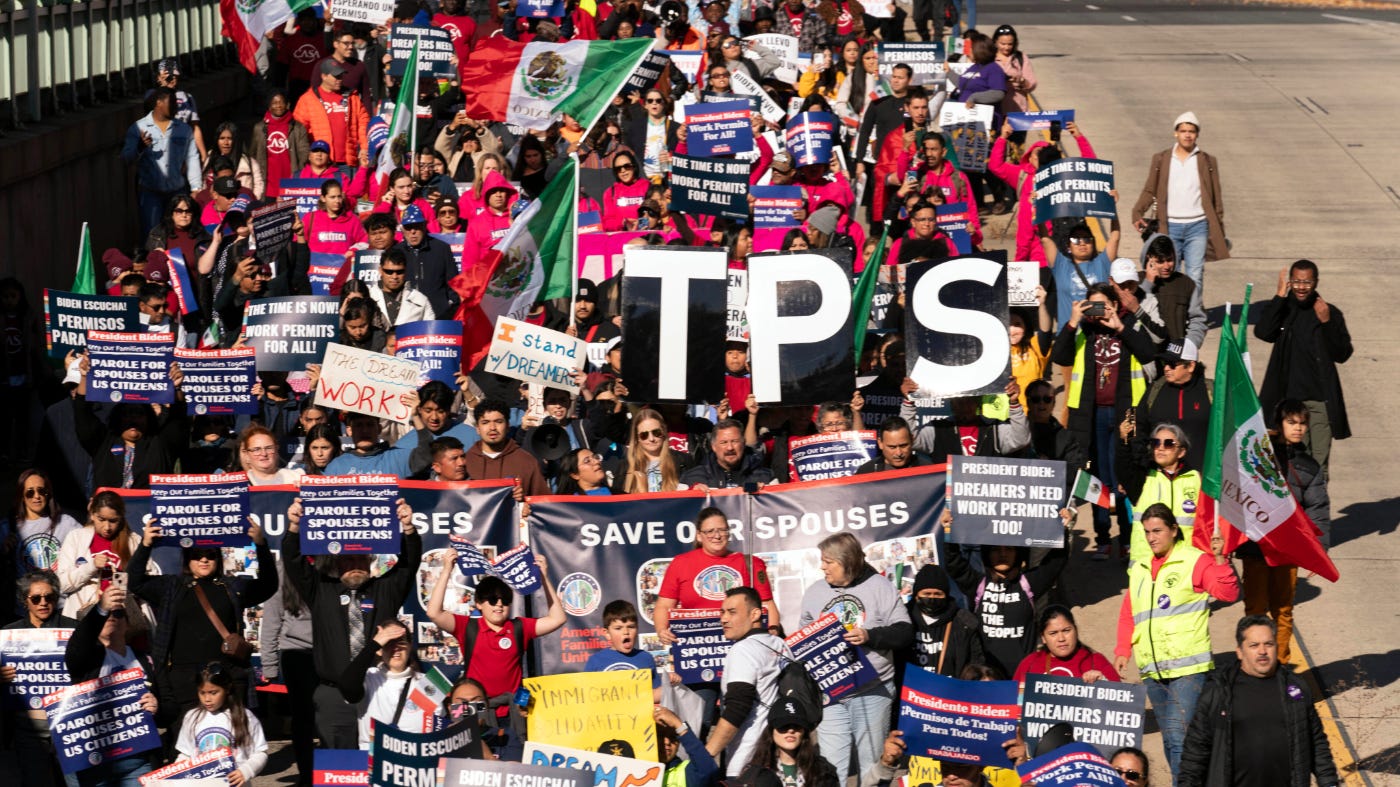
Their case is one piece of a much broader legal battle unfolding across the country — one that could determine the fate of more than a million migrants from Haiti, Venezuela, Somalia, Ukraine, Afghanistan, and elsewhere. As those cases move through the courts, temporary protected status — once an obscure designation — is rapidly becoming the next major battleground in America’s immigration debate.
What temporary protected status is
Congress created temporary protected status in the Immigration Act of 1990. It was established partly in response to civil wars in Central America during the 1980s, when thousands of migrants from countries like El Salvador were already living in the United States but faced the prospect of being returned to active conflict zones. Individuals granted TPS are protected from deportation and can obtain work authorization. But the designation provides no pathway to permanent residency or citizenship.
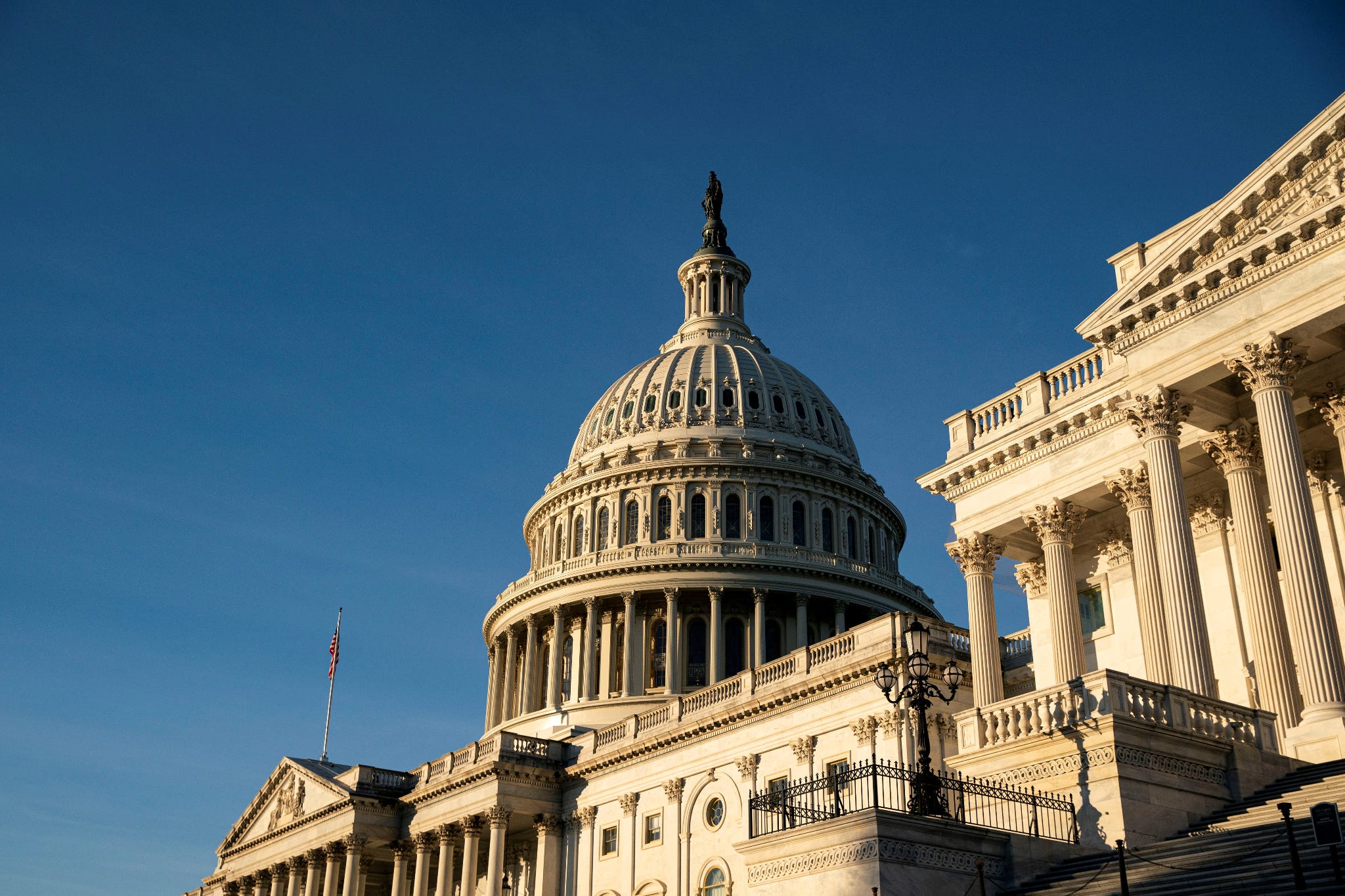
Countries are typically designated for six, twelve, or eighteen months at a time. At least 60 days before a designation expires, the government must determine whether conditions have improved enough to terminate the protection.
Since the program’s creation, administrations of both parties have used it. The law envisioned TPS as a short-term humanitarian safety valve. But the global crises that trigger the designation often last far longer than policymakers anticipated — and the people who depend on TPS have built their lives accordingly.
Who holds TPS — and what’s at stake
As of early 2025, roughly 1.3 million people in the United States held temporary protected status.
The largest groups come from Venezuela (more than 600,000 people) and Haiti (roughly 350,000). Another 60,000 come from Honduras, Nicaragua, and Nepal combined. Smaller groups include migrants from Somalia, Afghanistan, Cameroon, and Syria.
Many TPS holders have lived in the United States for years, some for more than a decade, while waiting for conditions in their home countries to stabilize. Tens of thousands of American-born children have at least one parent living here under TPS.
The economic footprint is significant. According to an analysis of the 2023 American Community Survey, more than 164,000 Haitian TPS holders earned $3.9 billion in household income, paid nearly $984 million in taxes, and had $2.9 billion in spending power. Losing that workforce would ripple across health care, construction, and hospitality — industries already facing labor shortages in many parts of the country.
For the people themselves, the stakes are more personal than economic. Their ability to work, to stay with their families, to remain in the communities they have spent years building — all of it depends on the designation staying in place.
Why these countries have TPS
TPS designations are tied directly to conditions abroad — and the conditions rarely resolve quickly.
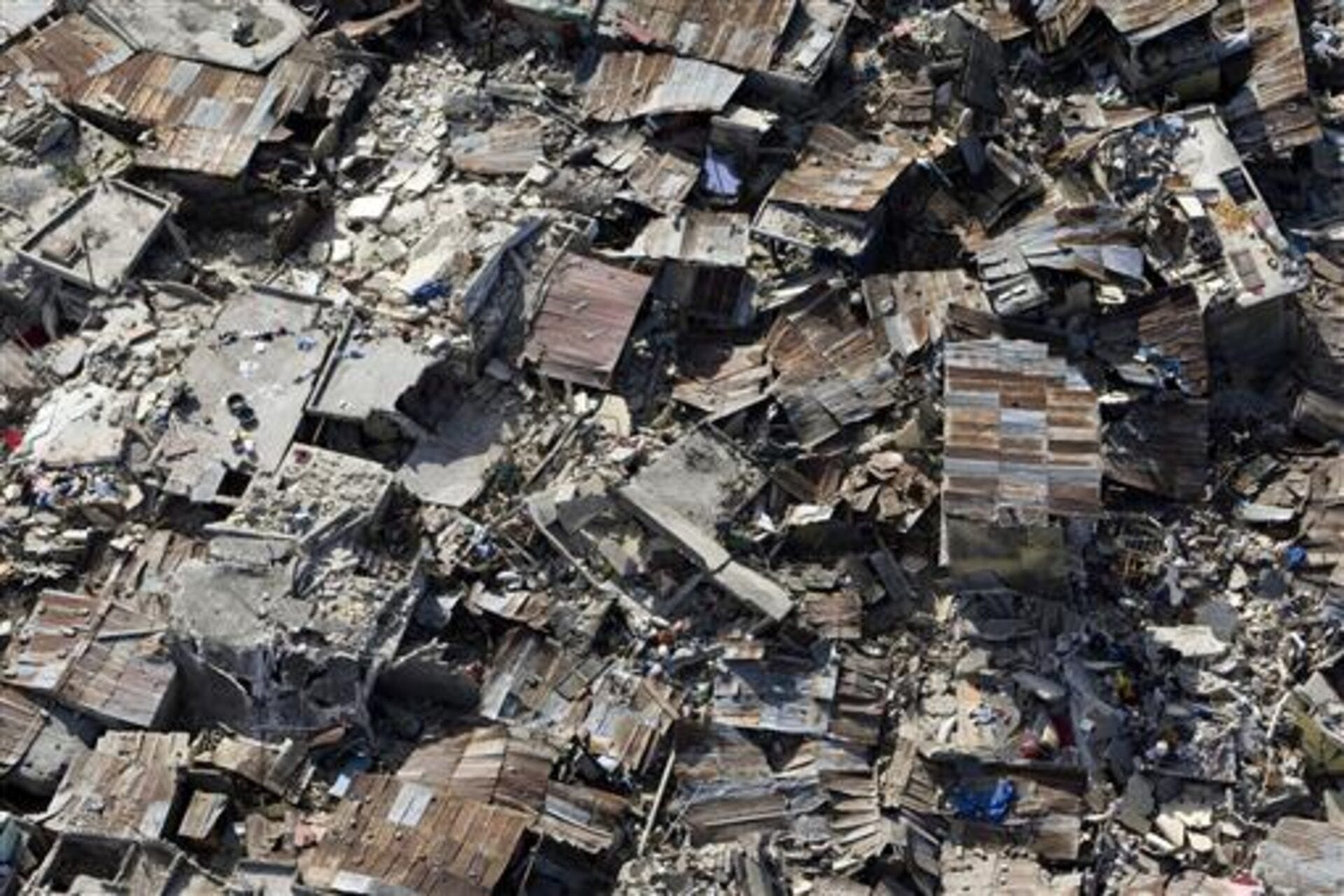
Haiti first received TPS in 2010 after a catastrophic earthquake killed more than 200,000 people. Sixteen years later, it remains engulfed in overlapping crises. Armed gangs control large portions of the capital, Port-au-Prince. Violence has displaced hundreds of thousands of people. Political institutions remain fragile following the 2021 assassination of the country’s president. Food insecurity and humanitarian need are widespread.
Lawyers representing Haitian TPS holders argue that deporting migrants to Haiti would expose them to extreme danger. “If the termination stands, people will almost certainly die,” they wrote in a court filing. “Some will likely be killed, others will likely die from disease, and yet others will likely starve to death.”
The story is similar elsewhere.
Somalia has remained eligible for TPS because of armed conflict, the persistent threat from the Qaeda-affiliated terrorist group al-Shabaab, and recurring drought and food insecurity. Venezuela’s designation stems from the political repression and economic collapse that have driven millions of people from the country. Ukraine was granted TPS after Russia’s full-scale invasion.
In each case, the designation reflects a judgment — repeatedly renewed by administrations of both parties — that returning the migrants would expose them to serious harm, possibly including death.
The next immigration battleground
For years, the national immigration debate has centered on the southern border: asylum policy, migrant crossings, enforcement strategies, and the politics of who gets to enter.
The fight over temporary protected status shifts that focus. TPS holders are not new arrivals. The question at the center of these cases is not whether to let them in, but whether to force them out.
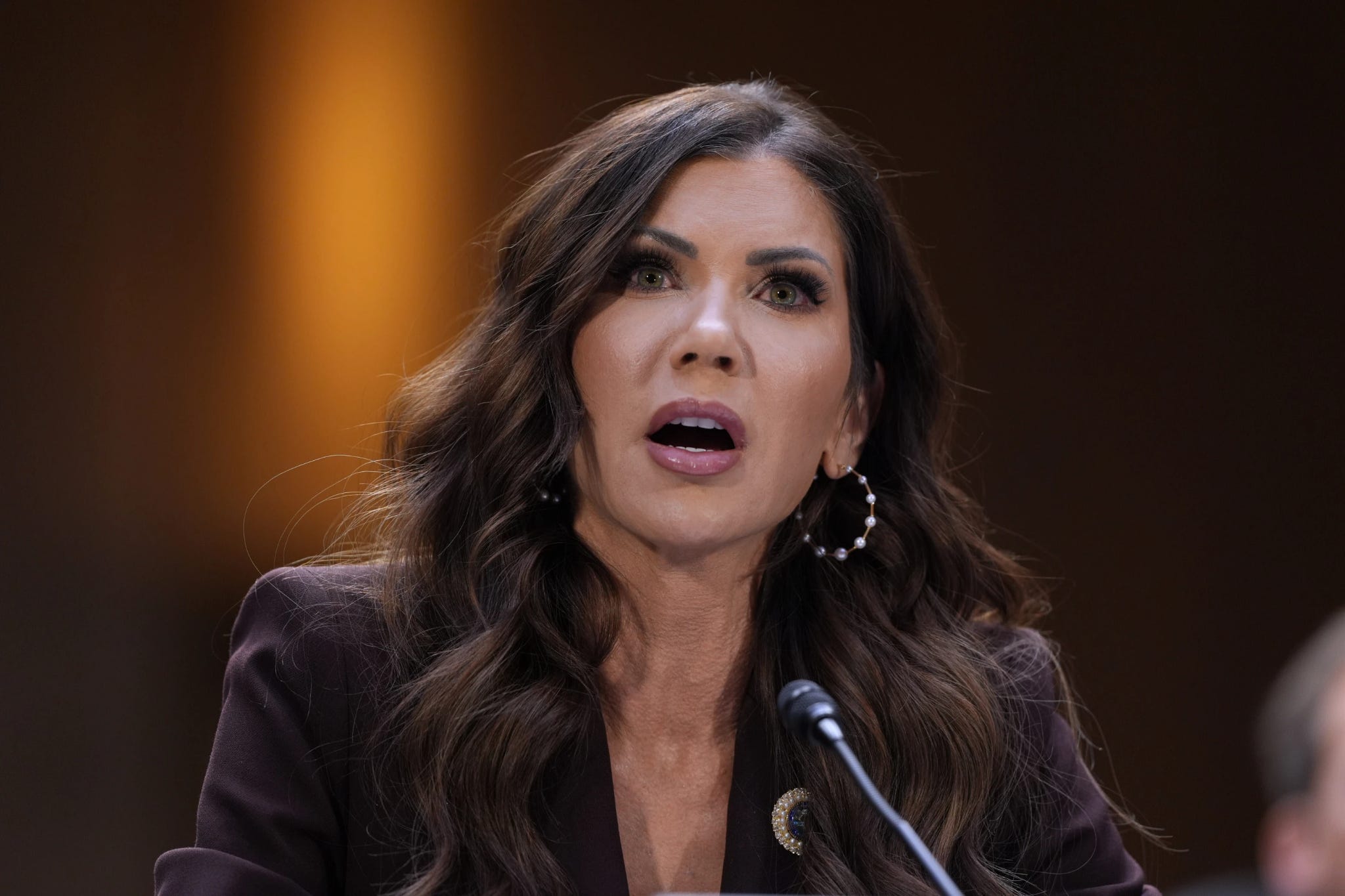
The Trump administration has moved aggressively to answer in the affirmative. Former Homeland Security Secretary Kristi Noem, whom President Trump removed from her post earlier this month, ended or attempted to end TPS designations affecting more than one million people — migrants from Haiti, Venezuela, Afghanistan, Cameroon, Syria, and several Central American nations.
Administration officials argue that TPS was never meant to become a long-term immigration category. “’Temporary’ means temporary,” a Department of Homeland Security spokesperson has said repeatedly in response to court rulings blocking the policy. Critics of the program contend that decades of extensions have created, in practice, exactly the kind of permanent residency Congress never authorized.
Supporters of TPS counter that the program reflects the reality of how long global crises last. Civil wars drag on. Political instability persists. Natural disasters compound the dangers of already fragile states. For migrants caught in such circumstances, TPS has served as a lifeline — a way to work and support families while their home countries struggle to stabilize.
Courts step in
The administration’s efforts to end TPS have triggered a wave of legal challenges, and the results have been uneven.
Judge Reyes’s ruling temporarily blocking the termination of TPS for Haitians is one of several such decisions. In her 83-page opinion, Reyes found it “substantially likely” that the administration’s decision was motivated, at least in part, by racial animus — that the homeland security secretary had arrived at her conclusion not through reasoned analysis but through “hostility to nonwhite immigrants.” The judge noted that the secretary had ignored both the billions that Haitian TPS holders contribute to the American economy and assessments from the State Department warning of life-threatening risks in Haiti. The Trump administration immediately appealed to the Supreme Court, which agreed this week to hear arguments about the case next month.
In Massachusetts, a federal judge similarly paused the termination of TPS for Somali nationals, warning that the consequences could be severe. “Over one thousand people will face a myriad of grave risks,” the ruling said, “including detention and deportation, physical violence if removed to Somalia, and forced separation from family members.”
Other courts have reached different conclusions.
A panel for the Ninth Circuit Court of Appeals allowed the administration to move forward with terminating TPS for migrants from Honduras, Nicaragua, and Nepal, affecting more than 60,000 people. The Supreme Court cleared the way for the termination of protections for hundreds of thousands of Venezuelans.
The result is a legal patchwork that has left TPS holders across the country in a state of deep uncertainty. Protected today. Potentially not tomorrow. With no end to the litigation in sight.
A temporary protection — and an unresolved question
For the people whose names appeared in Judge Reyes’s ruling, the debate unfolding in courtrooms and in Washington is not abstract.
Their ability to remain in the country where they now work, study, and raise their families depends on how the courts — and ultimately the Supreme Court — resolve a question that Congress didn’t fully answer when it created the program more than three decades ago: How long can a “temporary” protection last before the people who depend on it are forced to reckon with what comes next?
TPS was designed as a short-term response to crisis. What it has become is the legal foundation of people’s entire lives.
When that foundation is threatened, the consequences are not just procedural — they are personal. They fall on specific people: a neuroscientist, a nurse, a student, a software engineer, and more than a million others who are not merely a “status.” They are human beings. And for them, the outcome of these cases will be much more consequential than a legal footnote.
 | A guest post by
|
Trump has seen these statistics and rather than being impressed, he has heightened his determination to boot the TPS holders out of the country. Economic benefit for the US? "More than 164,000 Haitian TPS holders earned $3.9 billion in household income, paid nearly $984 million in taxes, and had $2.9 billion in spending power." Pocket change for Trump and his uber-wealthy backers. Labor shortages? Not his problem. Their intelligence, their contributions to our country? Fake news. Their complexions? No comment.
Trump sneered at the warning that "deporting migrants to Haiti would expose them to extreme danger." Our president (note lower case) harumphed at this warning. He didn't say it, but the smirk he gave to his stooges standing behind him, spelled it out, "Who the hell cares about these people? We're not their babysitters. Toughen up. Take defense classes at the Y, bulk up, then return home, where you belong (for these words, he lowered his voice, attempting empathy). "Both your home country and ours, will find flights ready for takeoff. Early returnees get first cabinet seats."