“When you look at some of the waste, fraud, and abuse that’s being uncovered by DOGE and the people at DOGE — these are young — often young but super brilliant people, incredible computer scientists and other things. And they’re finding levels of fraud and waste and abuse like, I think, nobody ever thought possible.”
–President Trump, Feb 18
According to DOGE’s own calculations, in the weeks since Trump has taken office, those young workers have already saved American tax payers $55 billion. DOGE has a website to track the cuts, which says they’ve saved the money through “fraud detection/deletion, contract/lease cancellations, contract/lease renegotiations, asset sales, grant cancellations, workforce reductions, programmatic changes, and regulatory savings.”
The website includes “receipts.”
But have they actually saved $55 billion? My team and I have gone line by line through DOGE’s website, matching up the receipts with the actual government contracts.
A couple of things stood out to us. First, some of the contracts that DOGE lists haven't actually been canceled as they claim, so no money has been saved.
And some of the numbers that supposedly show savings just don’t add up. In fact, it’s difficult to even know where some of these numbers are coming from.
DOGE has in no way come close to showing receipts for $55 billion in savings, even if all of their numbers are correct, which they aren’t. Our calculations show somewhere closer to $7 billion (again, that is assuming every single dollar DOGE is claiming has been saved is accurate).
Have the contracts actually been canceled?
Some of the line items on DOGE’s website show massive cost savings, in the hundreds of millions. But not all of them have even been canceled, meaning no money has been saved.
Let’s start with this one, which falls under the Social Security Administration, and suggests savings of nearly $232 million.
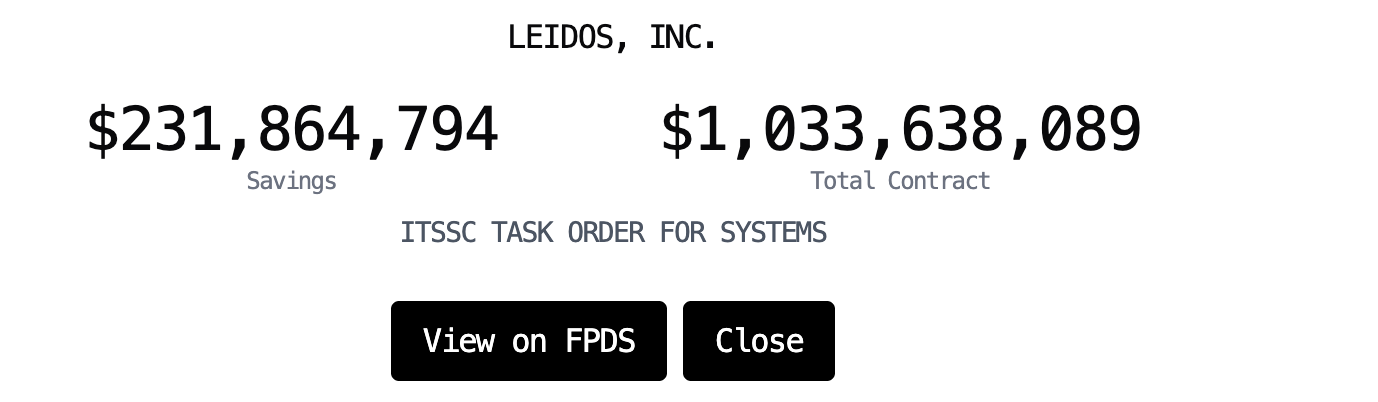
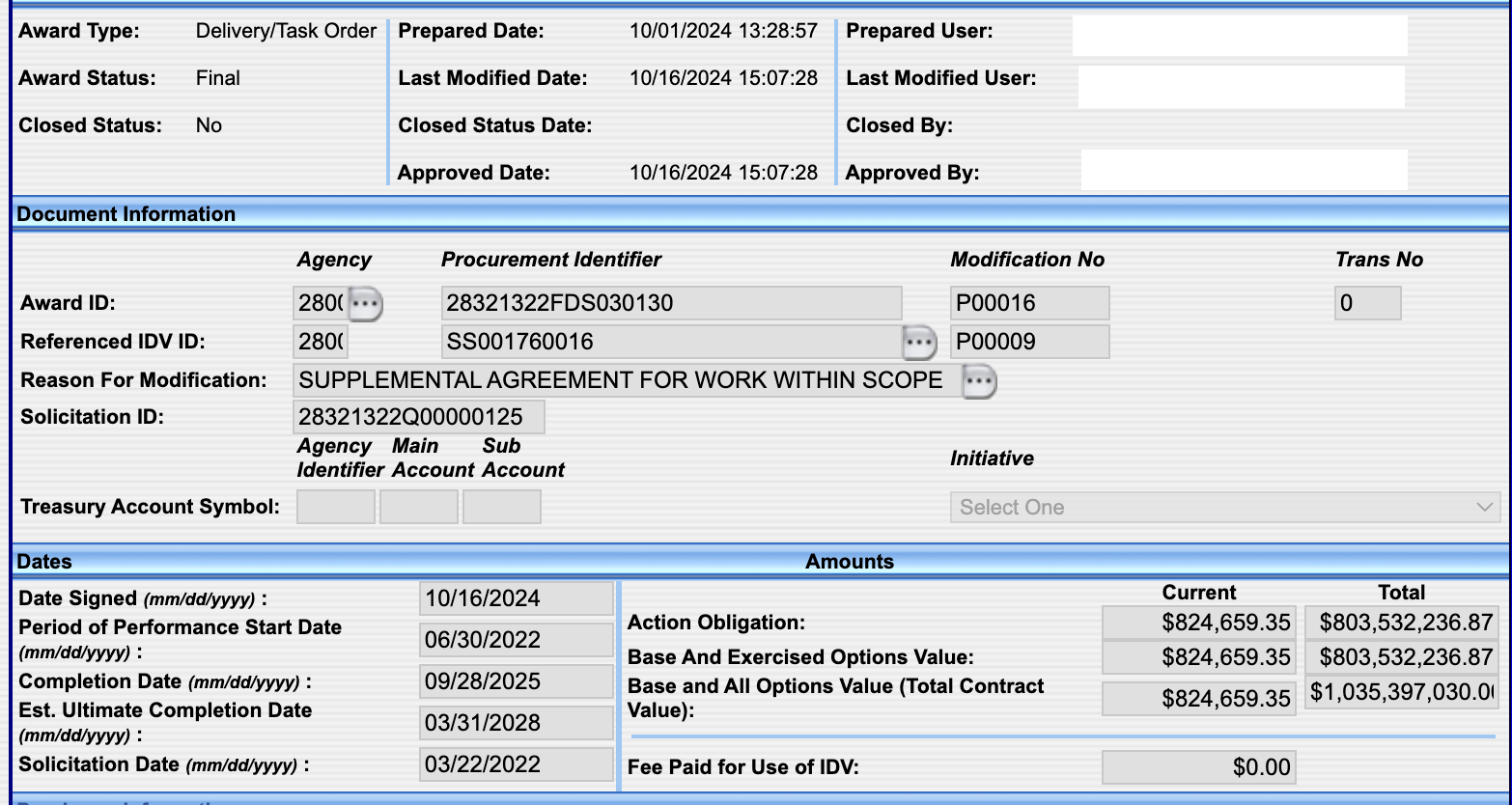
When you click on the DOGE receipt, you see the image below. The last time this contract was modified was in October, during the Biden administration. There is no indication here that it has been closed or canceled.
Here’s another one. DOGE says they’ve saved $73 million from ending this contract:
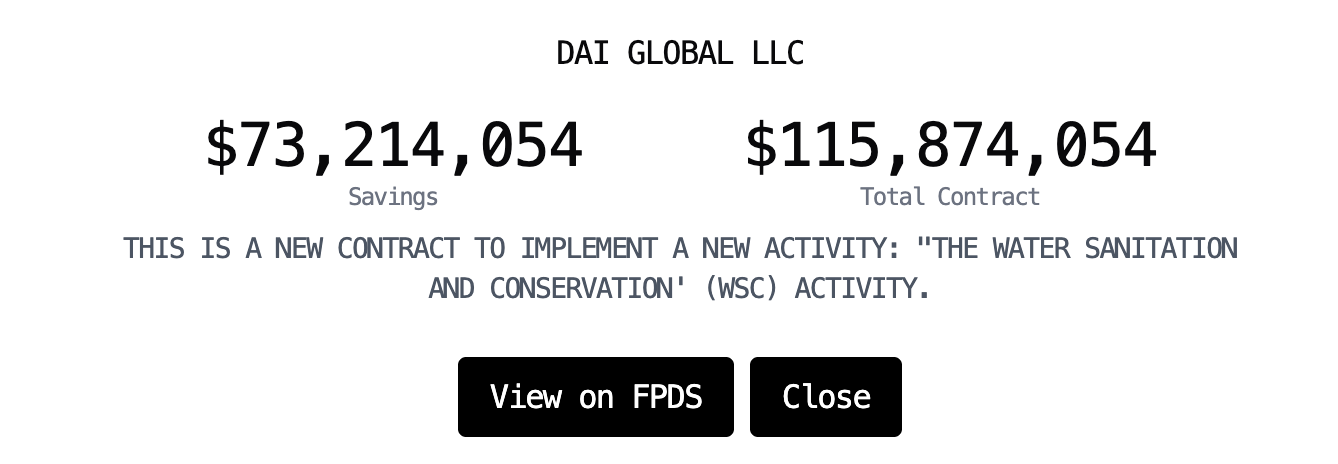
But clicking on the receipt shows the last time this file was updated was in November.
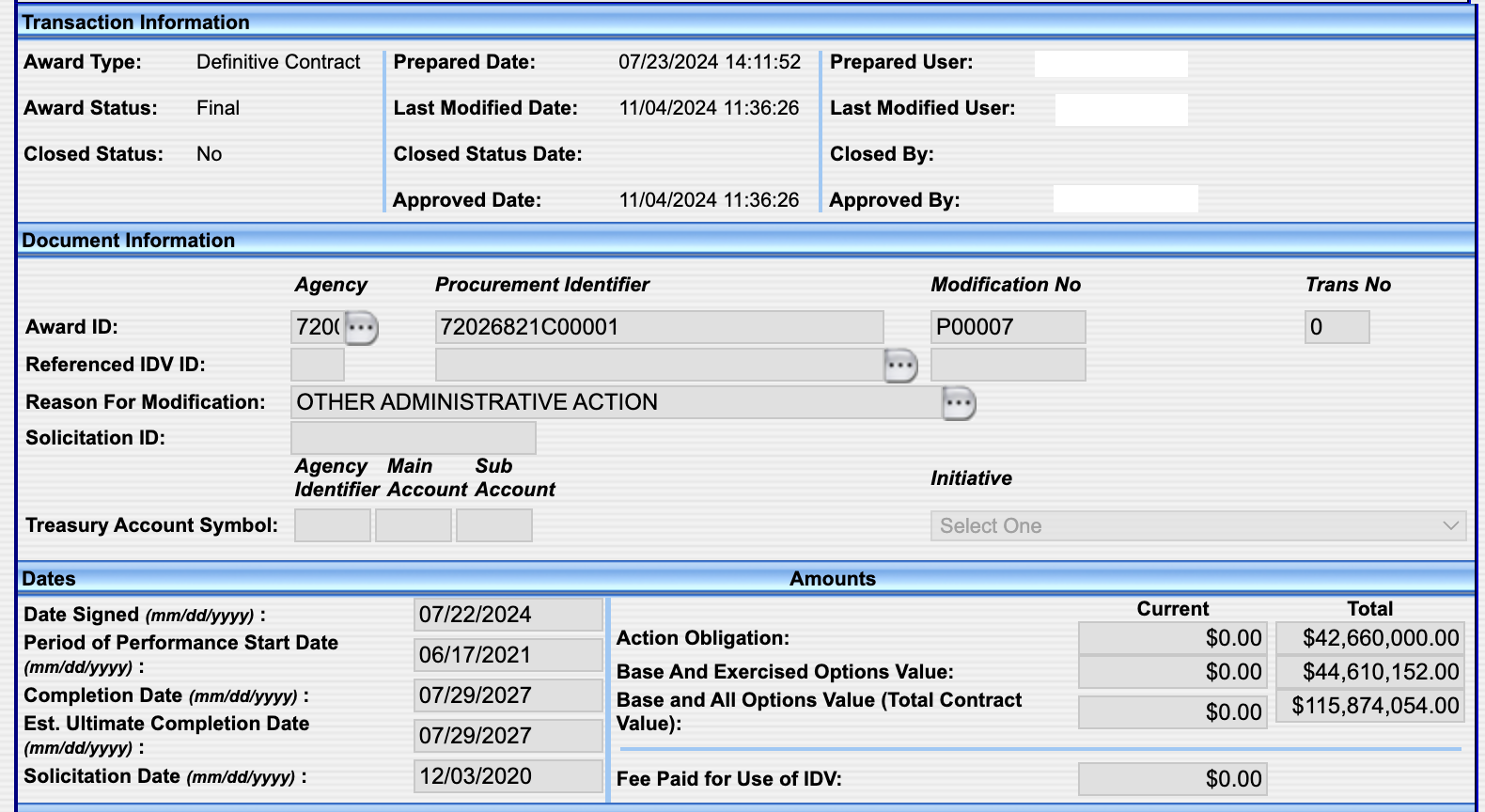
And these are just a handful of several examples.
Some of the line items show a $0 savings amount, and it’s not clear how or why these would be added to the list. And to reiterate, you can’t save money on contracts that weren’t canceled or that we are legally obligated to pay. Either this information is being compiled in error, or the public is being lied to.
Calculated Savings Are Wrong
Let’s look at some of the math DOGE is using to figure out how much they’ve saved.
But first, let me show you how we got this information, and then you can have the tools to examine it yourself. To start, go to the search feature on USASpending.gov, which is a website that tracks government spending.
Click on the receipt on the DOGE website. (Make sure you toggle on savings instead of total contract value at the top). Then copy the “Procurement Identifier” number at the top of the receipt. Put that number into the keyword search on the USA Spending website, and it will pull up the contract.
Let’s look at this one, which shows over $62 million in savings on the DOGE website.

From the receipt on the DOGE website, you’ll see the Procurement ID is 7200AA22N00007.

When you plug that number into USASpending.gov, it shows you this:
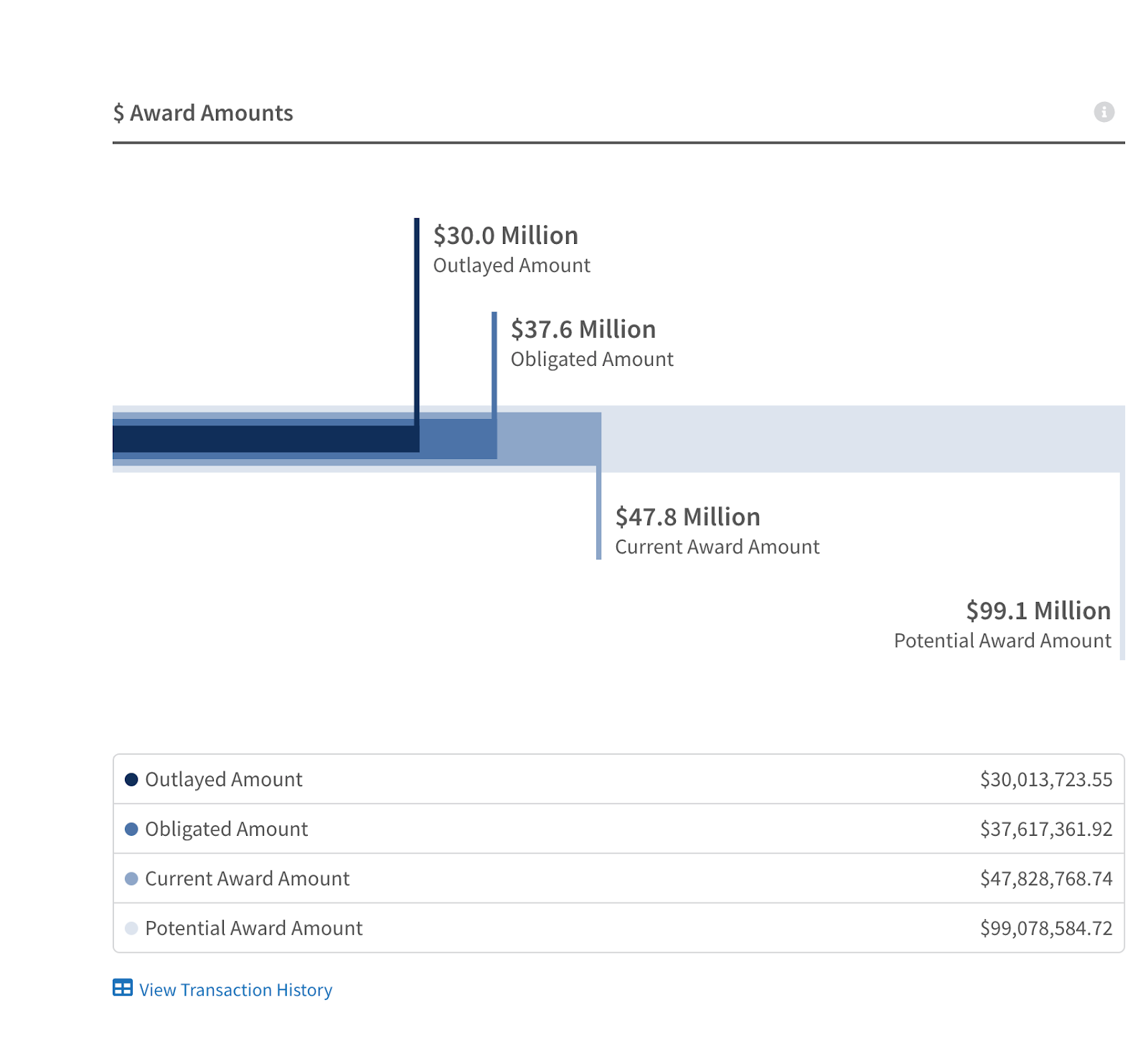
This is a $99 million potenial contract, but over $30 million has already been paid – that’s the “outlayed amount.” Then, $37.6 million is shown as the obligated amount, which is the minimum amount the US government is legally obligated to pay.
The potential award amount here is the total amount that could be paid, if all of the options are executed. For example, some contracts might have the option to extend for a few years, which would up the bill.
The current award amount shows the amount the government has already committed to the contract.
But the potential amount is only if the contract is extended, so any savings calculated should be on the current award amount. In this case, that would be about $10 million, the difference between the current award and the obligated amount.
The math does not math.
And that’s not the only example.
Here’s another one:
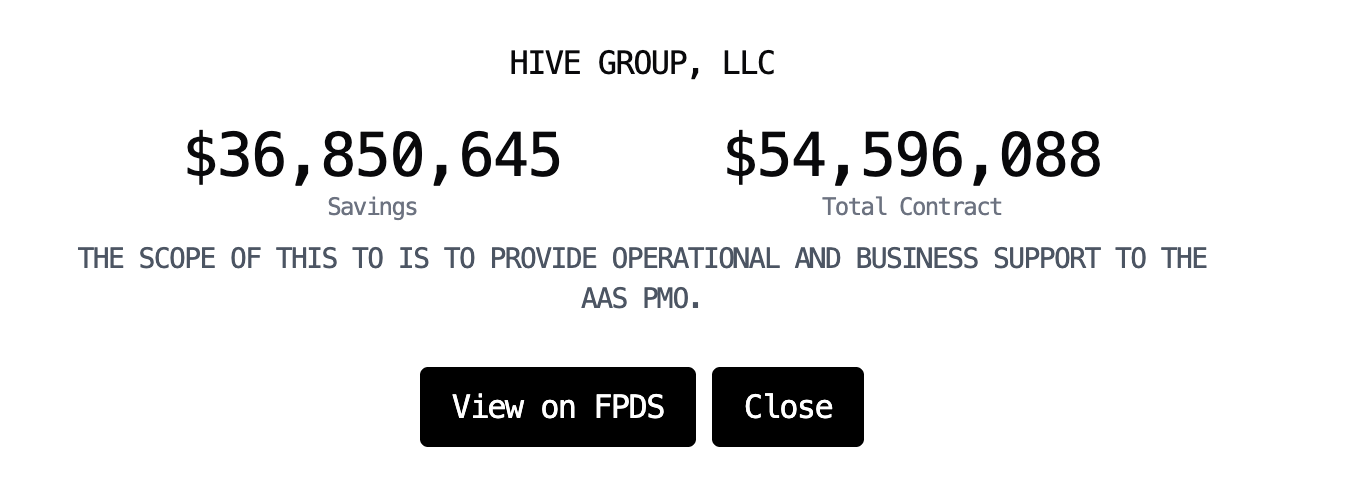
DOGE says they’ve saved nearly $37 million dollars on this contract. But is that true? A search of USASpending.gov shows this:
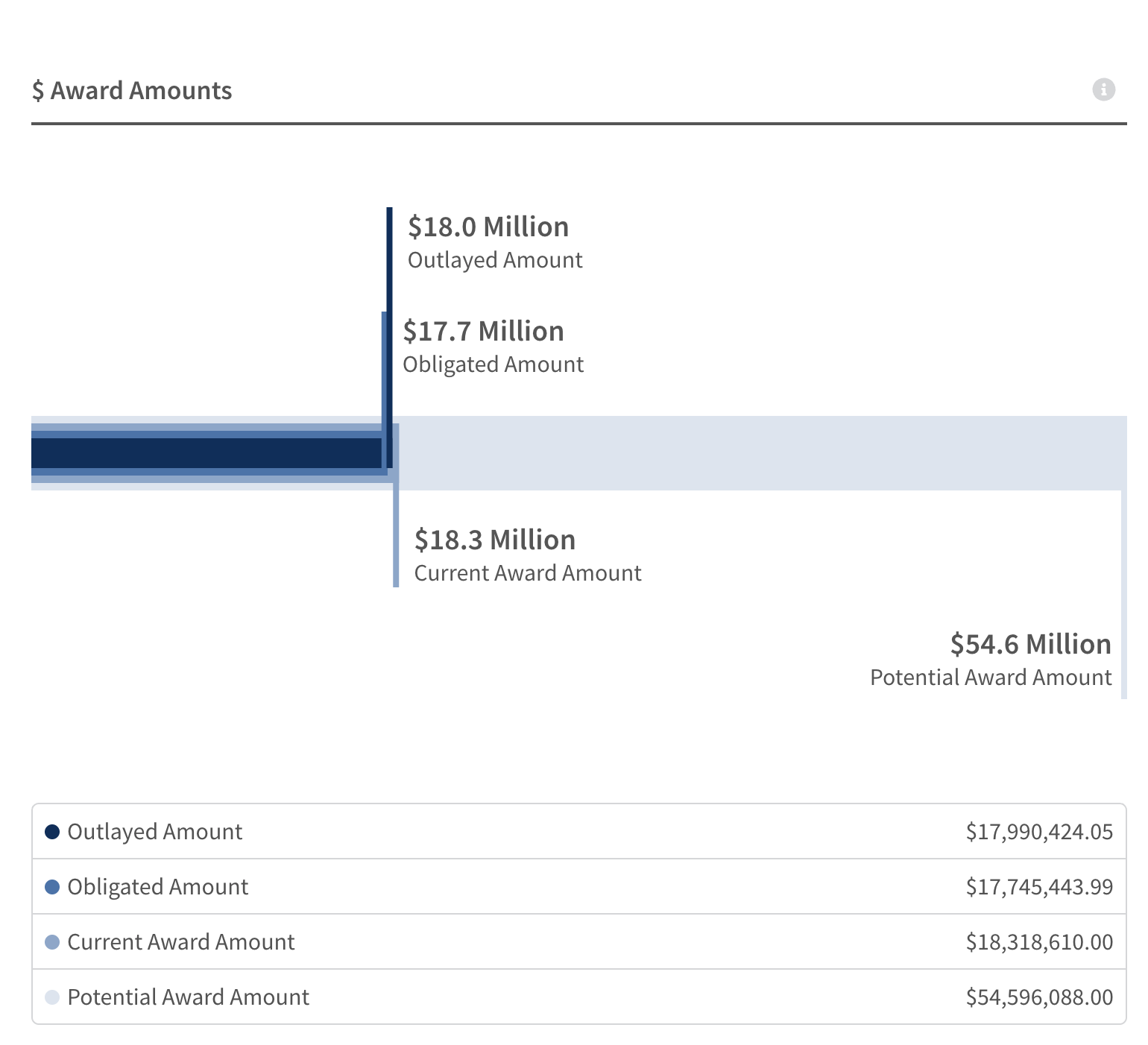
So, just under $18 million has been already given out, slightly more than the $17.7 million is legally required to be paid.
And this receipt was last modified in May, so again, it doesn’t seem to have been canceled by DOGE at all. So really, the savings are apparently $0.

There are so many examples of this, I could do it all day, and you can too.
One after another of these “receipts” are wrong.
But wait, there’s more
When you go through the stated savings on the DOGE website, you’ll come across some that are round numbers. They jump out because most of them are similar, for example, $25,000,000 or $20,000,000.
Many of these are Indefinite Delivery Contracts (IDC). These are contracts where the government doesn’t know exactly how much of something they need when the contract is signed. So they allow the government to go back and reorder as needed, up to the contracted dollar amount. This prevents them from having to put together a new purchasing proposal, which takes time and costs taxpayer money, every time they need a handful of something.
For example: the government knows that over the next year it’s going to be doing some major computer system upgrades, and it’s going to need to install malware detection software on those machines. It also doesn’t know how many computers will break and need to be replaced over the next year, so they might sign an IDC contract for their ongoing software needs.
In this screenshot, you can see a blanket purchase agreement (a type of IDC contract) for $20,000,000:

Pulling it up on USASpending.gov shows this:
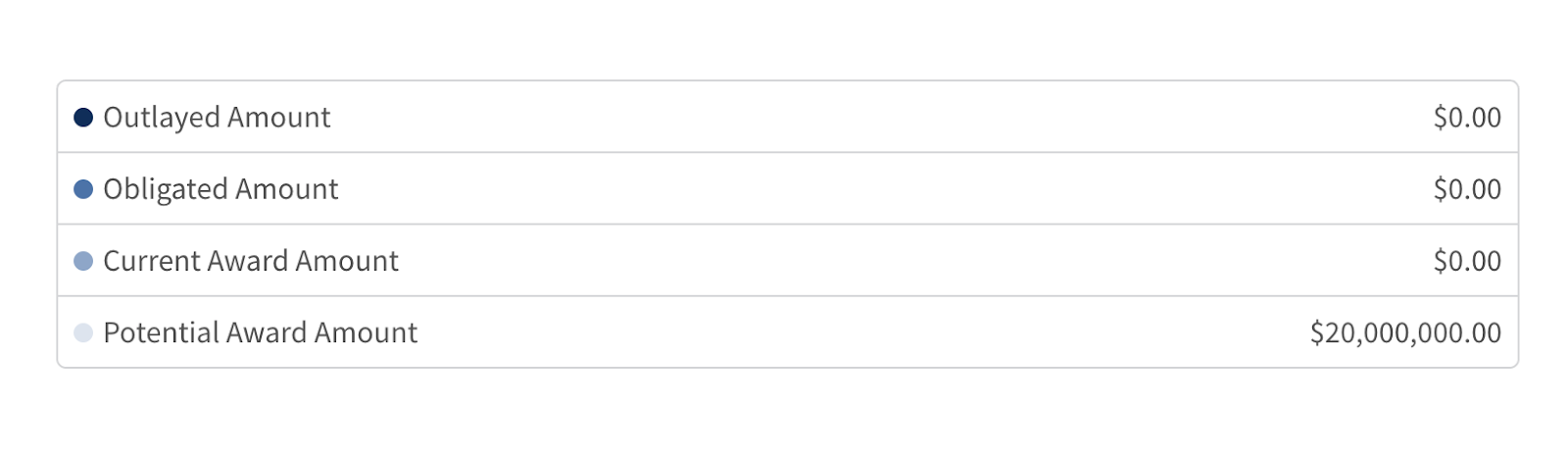
Blanket purchase agreements are not legally binding contracts, so if nothing is ever ordered, no money is obligated to be spent.
Saying we are “saving” this money is much like me having a credit card in my wallet with a $20,000 spending limit. If I do not use that card and have a $0 balance, have I “saved” $20,000? No. Having the ability to buy something and not buying it is not a savings.
This is not an audit, and it’s not how audits work. Posting inaccurate screenshots on a website and simply saying the word “savings” does not mean actual savings.
So if it’s not an audit and the people working for DOGE are not auditors, what’s going on here? Is it ineptitude? Is it data manipulation? Is it government propaganda? Whatever the answer, something is not adding up.
An earlier version of this newsletter incorrectly calculated the savings on the outlayed vs obligated award amount. Our apologies for the error.