

Every Election Is a Conspiracy Now
The reaction to the LA mayoral race is a worrying preview for the midterms

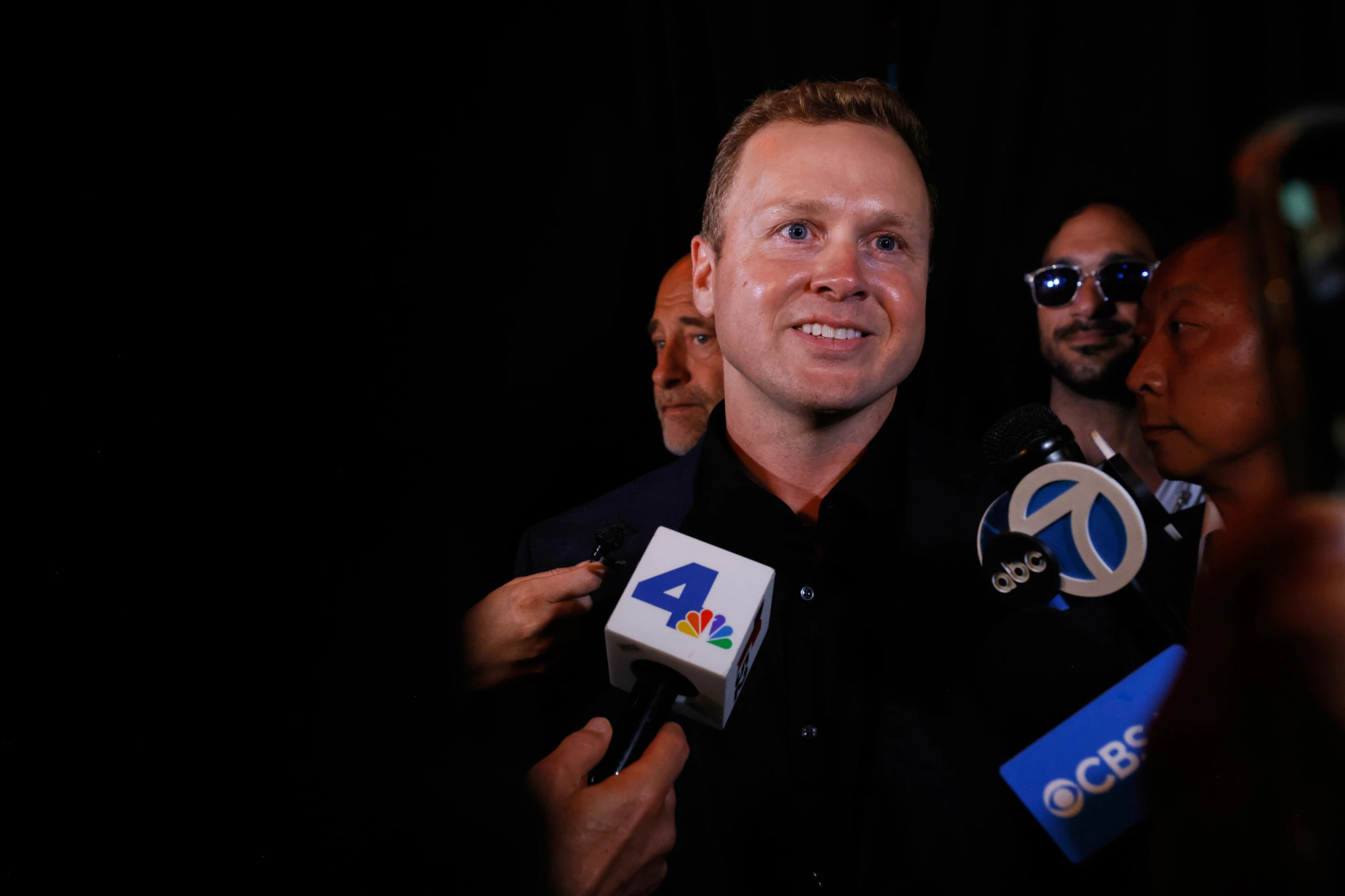
For a few days in Los Angeles, Spencer Pratt looked like he might pull off the most 2026 political storyline imaginable: turn a celebrity protest campaign into a spot in the runoff for mayor of America’s second-largest city.
Yes, that Spencer Pratt.
The former reality TV star from The Hills had become an unlikely conservative vessel for frustration with Los Angeles politics, homelessness, wildfire recovery, crime, housing costs, and the broader sense that City Hall has been running a choose-your-own-dysfunction adventure. On election night, Pratt was in second place behind incumbent Mayor Karen Bass, with progressive city council member Nithya Raman trailing in third. That second-place spot mattered because the top two candidates would advance to the November runoff, regardless of party.
Then California kept counting.
As more mail ballots were processed, Raman gained ground, eventually passing Pratt. Then her lead widened to nearly 22,000 votes. By the time the Associated Press called the race days after polls closed, Raman had officially advanced to the runoff against Bass, and Pratt was out.
This is where a normal elections-analysis story would look at the LA mayoral race and break down what it means and what signals we can glean from the results, including voter anger in a heavily Democratic city.
But this is 2026, so the story became something else entirely.
President Trump claimed the election was rigged. Conservative commentators pointed to the slow count as suspicious. Supporters treated the change in the vote totals as evidence that something nefarious was afoot. House Speaker Mike Johnson questioned California’s process too, saying the results “stink to high heaven and everybody knows that.” When asked for evidence, he said that “some of these efforts are so diabolical and so far upstream that it’s impossible to prove.”
That is a remarkable and impossible standard. If a claim is impossible to prove, it is usually a clue that we should be more careful before repeating it. In modern election conspiracy politics, though, the lack of evidence often becomes part of the plot. The fraud is so hidden, so sophisticated, so upstream, that not being able to prove it somehow makes it feel more true.
Very convenient. Also very dangerous.
The LA mayoral election is emblematic because it shows how quickly routine election administration can be converted into a national conspiracy theory. Slow counting becomes “They’re finding votes.” Mail ballots become “mysterious dumps.” A candidate’s shrinking lead becomes “proof” that someone is stealing the race.
The problem is that, in many states, especially states with heavy mail voting, that is just how counting works.
California is slow on purpose
California counts slowly because state law gives voters time to return ballots, gives counties time to verify them, and gives voters time to fix certain problems with their ballots. That system has trade-offs. It makes the count slower. It also makes it harder to throw out eligible voters’ ballots because of ordinary human mistakes.
California mails ballots to active registered voters, and voters can return them by mail, drop box, voting site, or county elections office. The California secretary of state says mailed ballots must be postmarked by Election Day and received by the county elections office no later than seven days after Election Day. If a voter forgets to sign a ballot envelope, or if the signature does not match to the signature on file, election officials notify the voter and provide a process to fix the issue before certification.
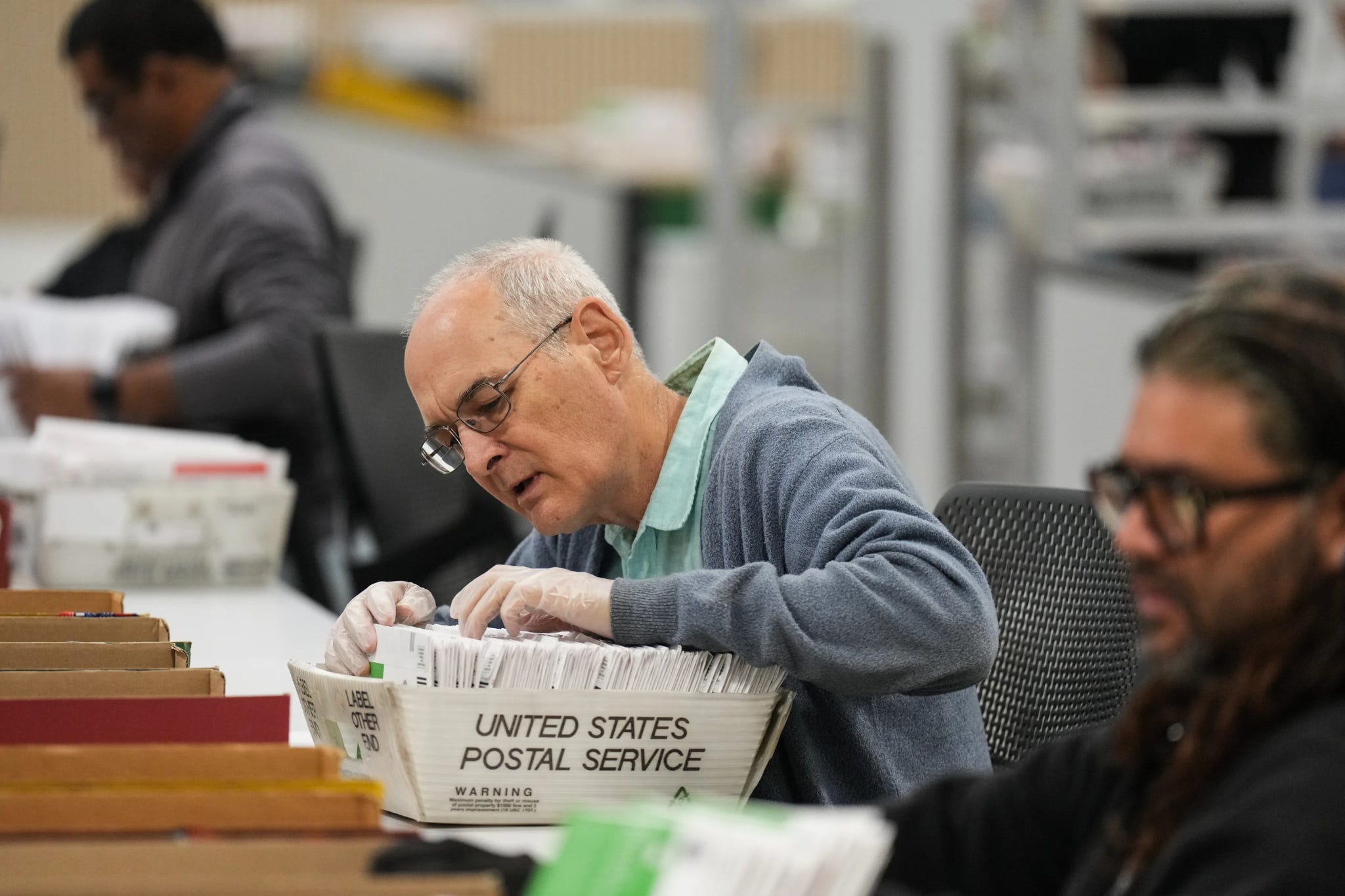
This process means the first election-night numbers are not even close to the final tallies.
In Los Angeles, the first results included mail ballots returned early and processed before Election Day, plus votes cast that day. After that, the county kept processing ballots that arrived later, typically in the same order in which they were received.
There is nothing inherently suspicious about that. Annoying? Sure. Slow? Absolutely. But suspicious or corrupt? Only if you start from the assumption that every vote counted after your preferred candidate’s best moment may be fake.
What’s more, the shift in Los Angeles was also politically predictable. Data from the mayoral election showed that the ballots turned in last were disproportionately from Democrats, so Pratt (and others) shouldn’t have been caught off guard when they saw vote totals for Bass and Raman get big jumps as those later ballots were counted.
But that nuance — the attention to details of when, how fast, and in what order, all over the county — too often takes a back seat to the ease of claiming fraud. And that’s a problem.
 | A guest post by
|