In the final days leading up to the election, Kamala Harris and Donald Trump are doing everything they can to appeal to undecided voters. Undecided voters make up about 2-5% of people, depending on which poll you’re reading.
This is going to be a race won on the margins, so who actually shows up to vote and how undecided voters decide to cast their ballots matters a LOT.
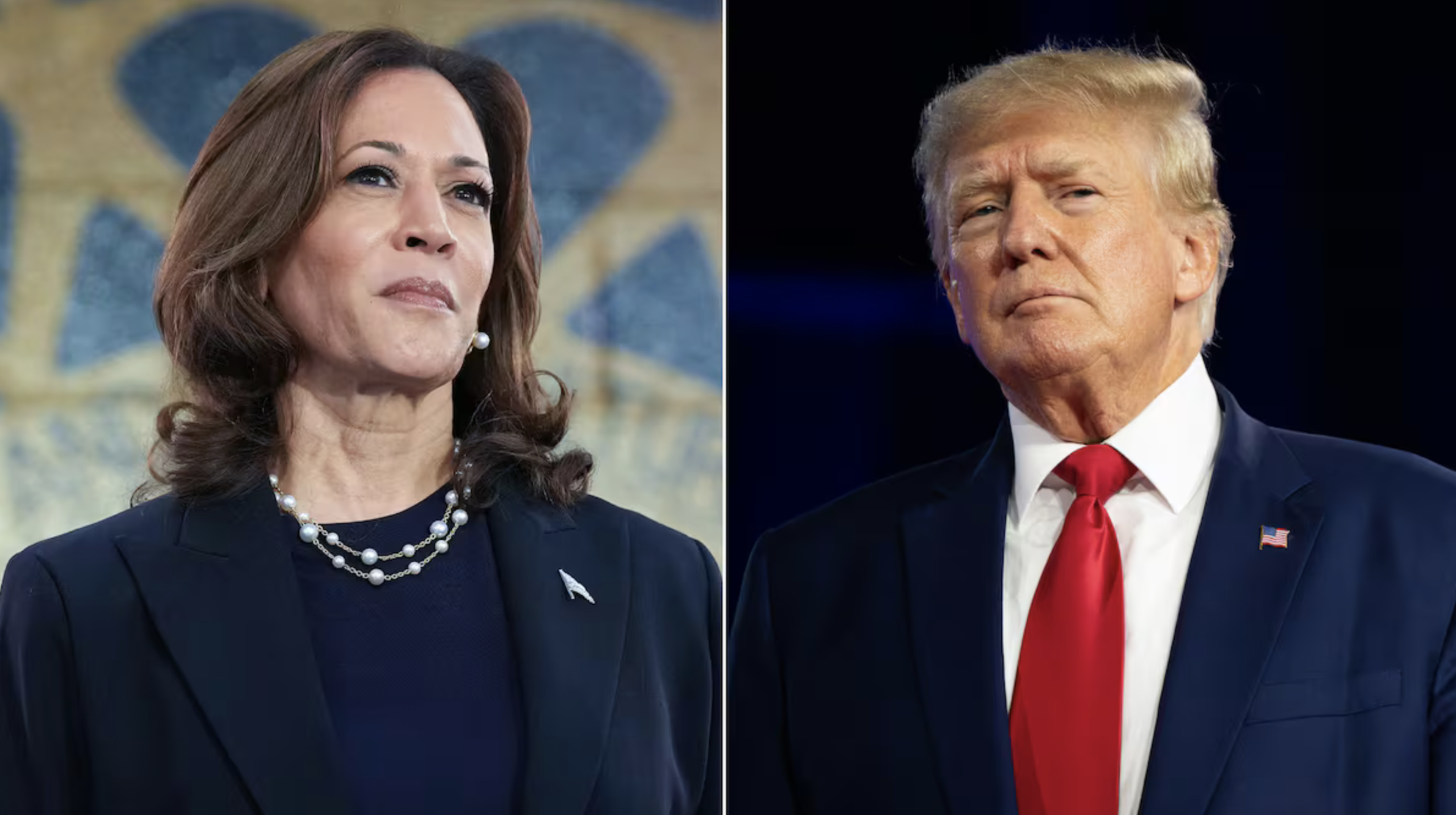
There are several reasons people say they’re undecided, like they were planning to vote for Robert F. Kennedy, Jr. and aren’t sure how to vote now that he’s out of the race. Some people strongly dislike both Harris and Trump. They don’t feel either political party represents them well. They don’t know enough to make an educated decision between the candidates. Or they’ve only ever voted for one party and don’t know if they are willing to change that.
There’s no one better than the Governerds to ask for advice in times like this. I posed this question on my Instagram account: “Without using a candidate’s name, what advice would you give to an undecided voter?”
Here is some of that advice.
“Pick the person who gets you closer to where you want to be, even if they’re not exactly right.”
You’re never going to agree 100% with someone on every. single. topic. That’s just not realistic.
Think of voting as public transportation, not a personal vehicle. Which bus could you get on that will get you closer to your desired destination, even if they don’t drop you off at the doorstep?
Knowing that you *will* have disagreements with at least some of each of their platforms, which candidate moves you in the right direction on the compass?
You can find the candidates' platforms here: Trump and Harris.
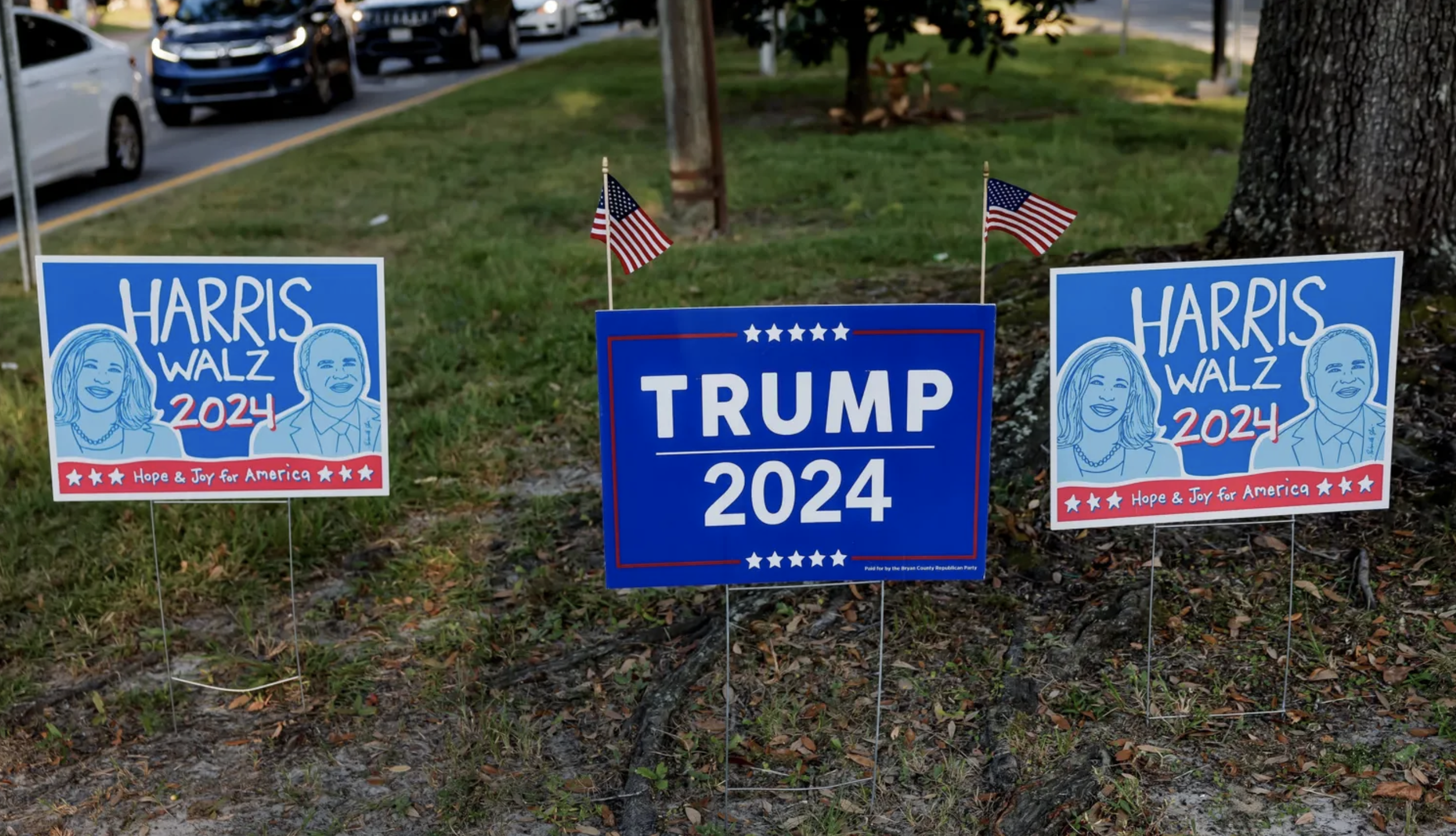
“Fact check everything you believe in and research from several valid, credible sources.”
It can be hard to know what to believe during election season. So how can you sort through the misinformation?
Don’t blindly trust what you read on social media, or even what your friends and family might tell you.
Read past the headline and see what the story says and who they are quoting.
Check the source of the news, and check how credible they are on a site like AdFontes, which rates news sources for both bias and reliability.
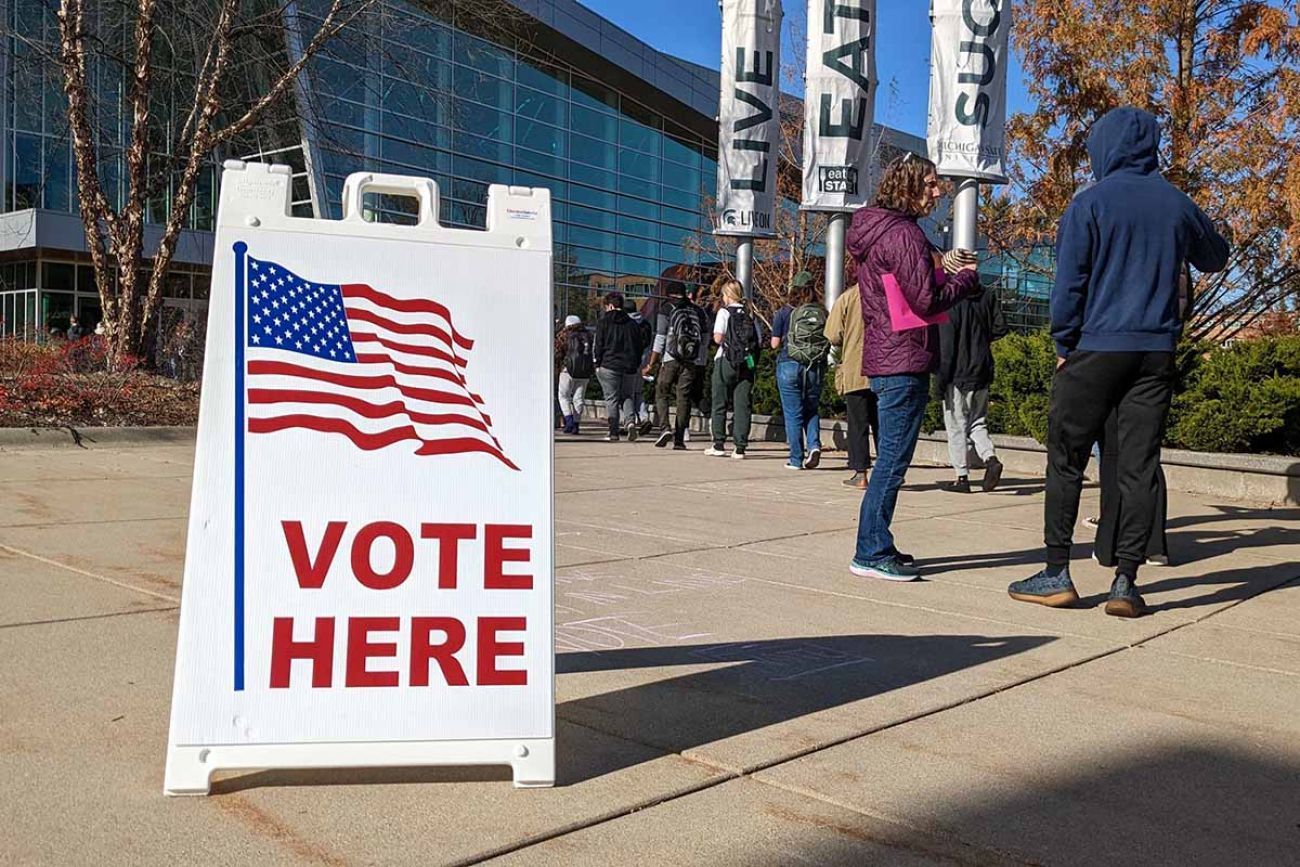
“Choose the candidate that best represents the most vulnerable in our society.”
If no candidate’s character or policy speaks directly to you and your life, it is sometimes helpful to think about our neighbors who might be struggling. Would one candidate be more likely to help them find their footing?
There are millions of vulnerable people, those who have often lived on the margins of society, and who often do not have access to economic and political capital.
Some vulnerable groups include:
Minority groups have been historically underrepresented in policymaking and political careers. There are also documented socioeconomic inequalities that disproportionately affect minority communities, like access to housing, education, healthcare. Is there a candidate you see more likely to address these issues through their policy work?
Children and the elderly: Both groups depend on others for care.
People with disabilities: Sometimes disabilities can limit mobility or communication, making it harder for people to advocate for themselves and their needs.
Veterans: Former service members are more likely to experience physical and mental health problems, are at risk of homelessness, and have other unique needs that are not always addressed.
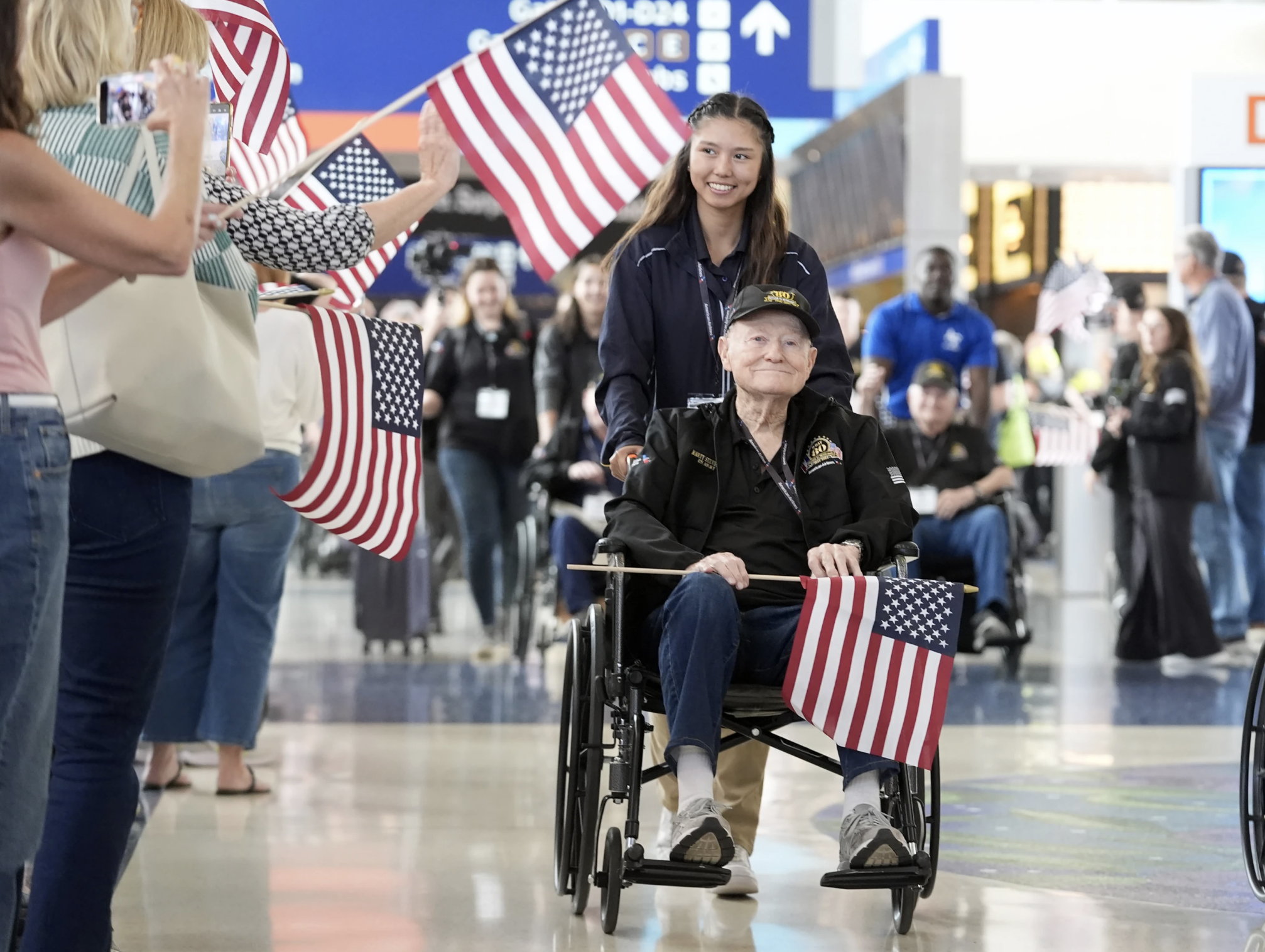
A few other people echoed this, asking: Who do you trust more to prioritize your needs and the needs of all Americans?
Others said choose a president you feel will be a president for everyone, not just people in *their* group?
“Consider the teams they will put together and who will be surrounding them.”
When you vote for president, they get an entire team that is meant to assist them. This includes their Cabinet, key national security positions, who will represent the US in lawsuits, and more.
You can see the type of people both candidates surround themselves with by looking at who is campaigning with them, and what those people are saying about the candidate and about the future of the US. Both candidates have also been in positions of power – who did they appoint to work with them during that time?
“Think about what characteristics are most important to you in any leadership role.”
Harvard Business School professor and expert on leadership Linda Hill writes that “Leadership is a process of self-development. No one can teach you how to lead; you need to be willing and able to learn how to lead. Mostly we learn from our experiences and facing adversity. Stepping outside of the spaces where we feel safe — is a powerful teacher.”
She says the top qualities for a leader include authenticity (being genuine and true to who you are), adaptability (an ability to shift to ever-changing demands), and empathy (connecting and understanding others and what they’re going through).
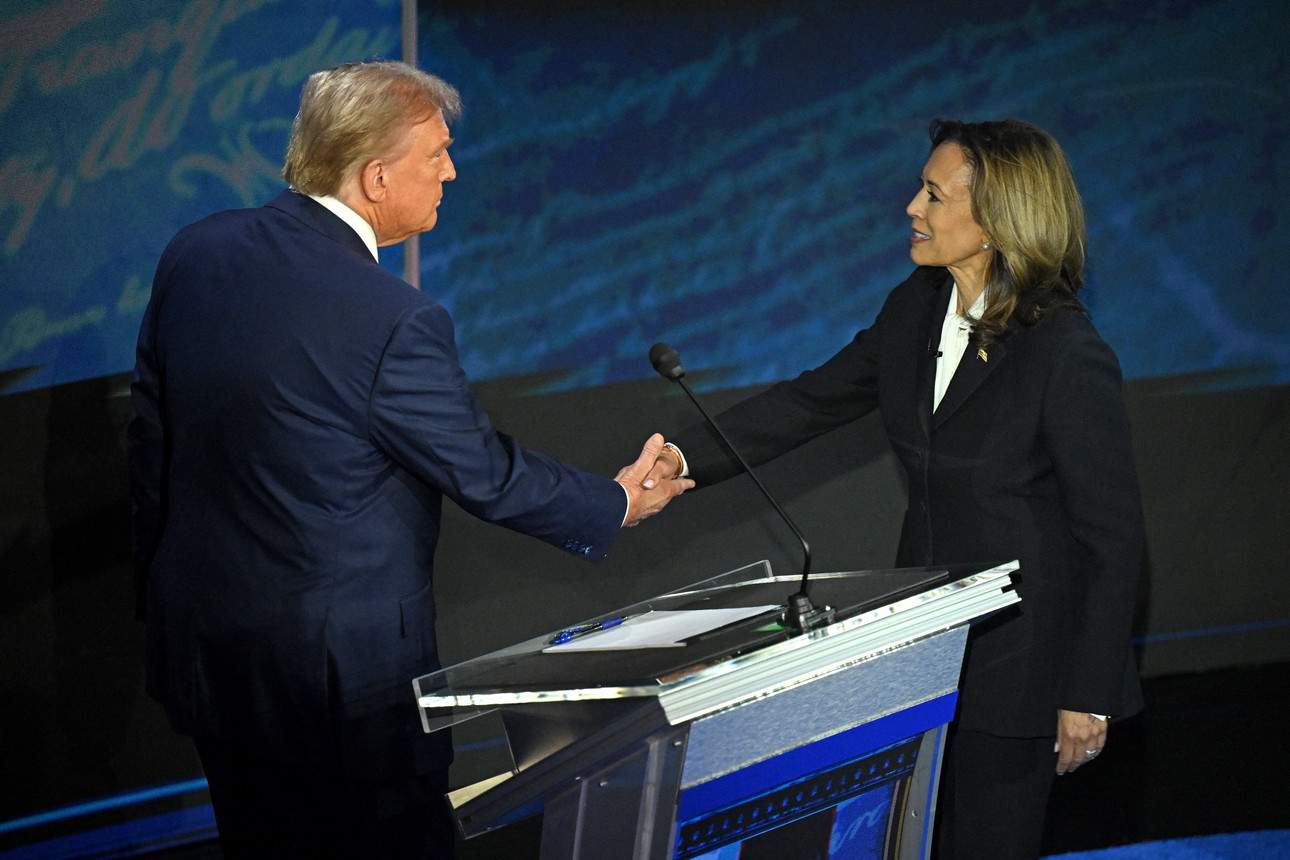
In 2020, researchers at the University of Vienna wrote that voters believe an ideal politician should show leadership qualities including being emotionally stable and honest.
“Is the candidate someone who behaves the way you teach your children to behave?”
Or if you don’t have children, you might think of the golden rule: Treat others how you would like to be treated. Are you able to use the behavior of either of these candidates to teach your children or people in your life how to behave?
I understand that voting can be overwhelming, especially during an election as tense as this.
Our voting system is safe and secure, and your vote is your voice. Don’t let the perfect be the enemy of the good — even if neither candidate is particularly exciting to you, remember that there are many down ballot races that directly impact your life and rely on your input.